Pit Bulls, Unbanned: A County's Reversal of Unreliable Breed-Specific Legislation
Prince George's County in Maryland has ended its breed ban, replacing it with behavior-based assessment. This move highlights the unreliability of breed-specific legislation, which often relies on visual identification of dogs.
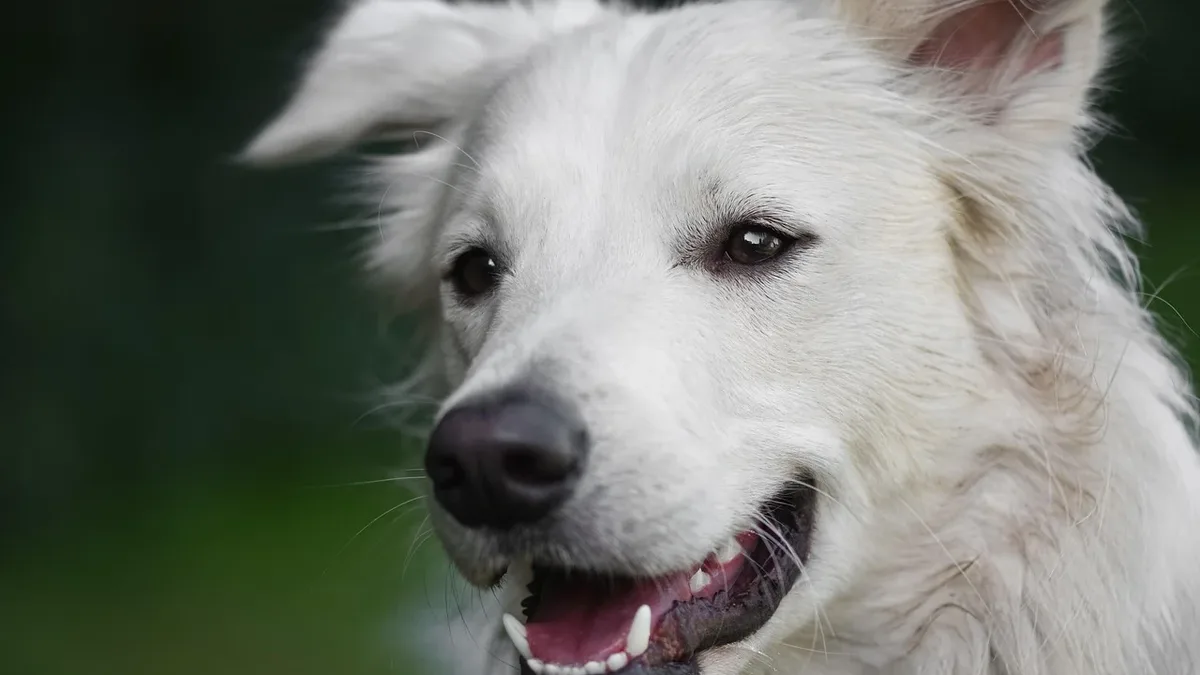
In a significant shift in policy, Prince George's County in Maryland has repealed its breed ban, replacing it with behavior-based assessment. This move has far-reaching implications for the way we approach dog ownership and legislation.
Don't Judge a Book, or a Pit Bull, By Its Cover
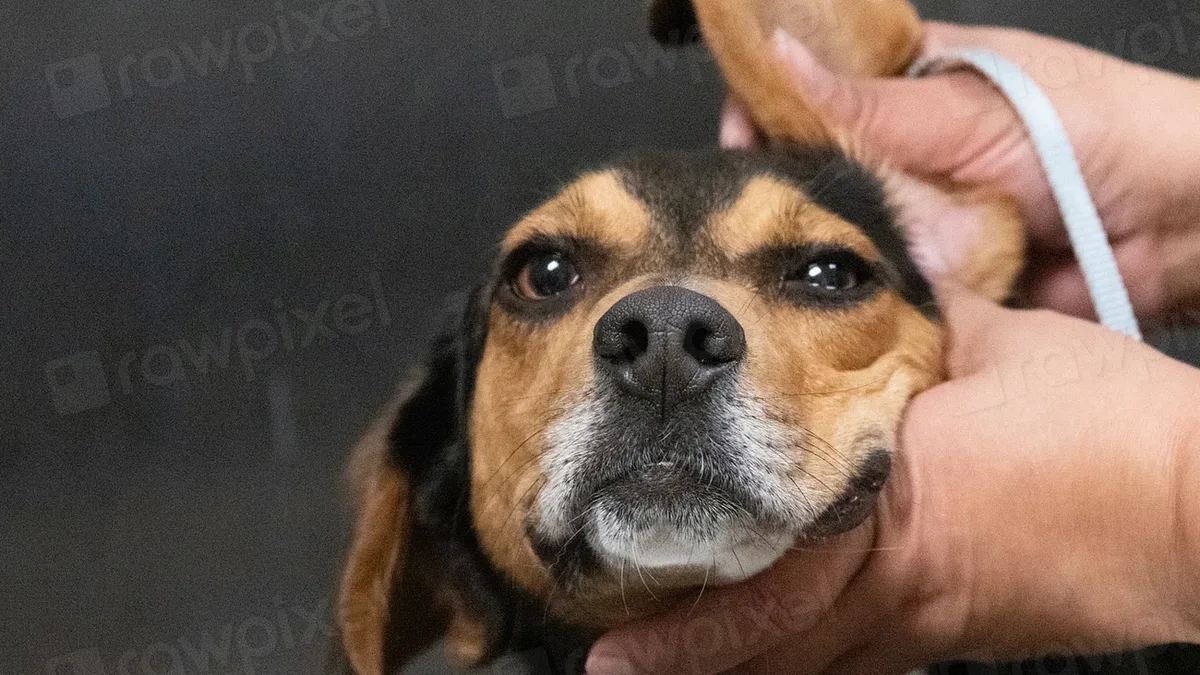
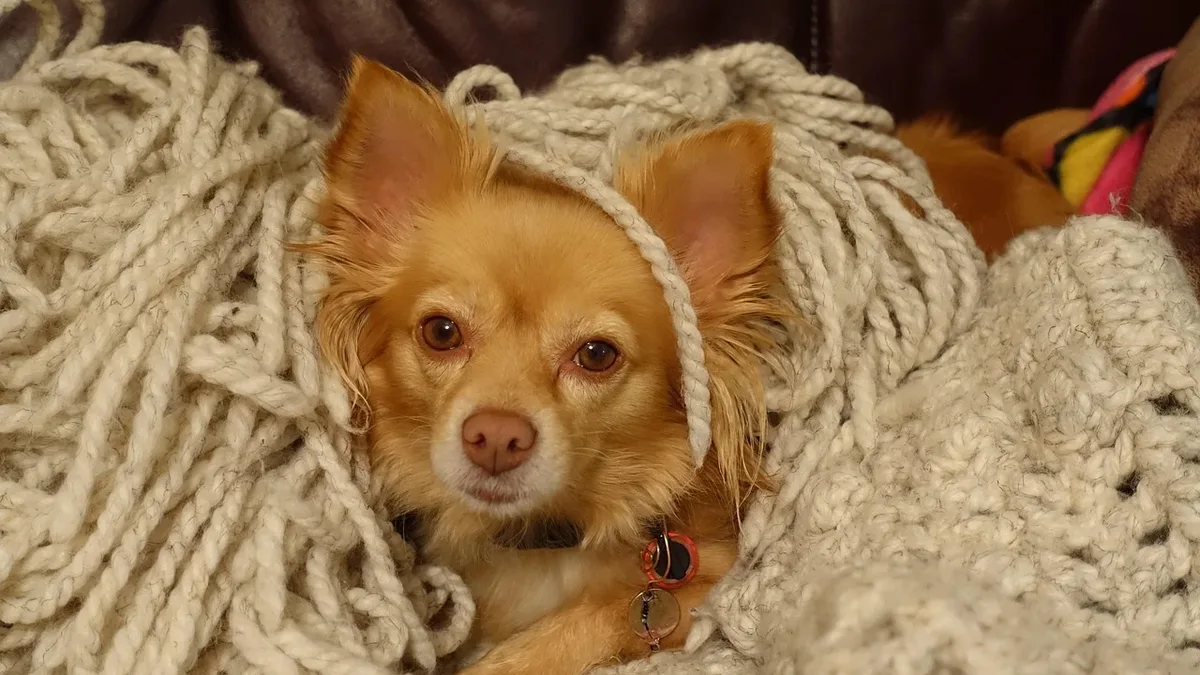
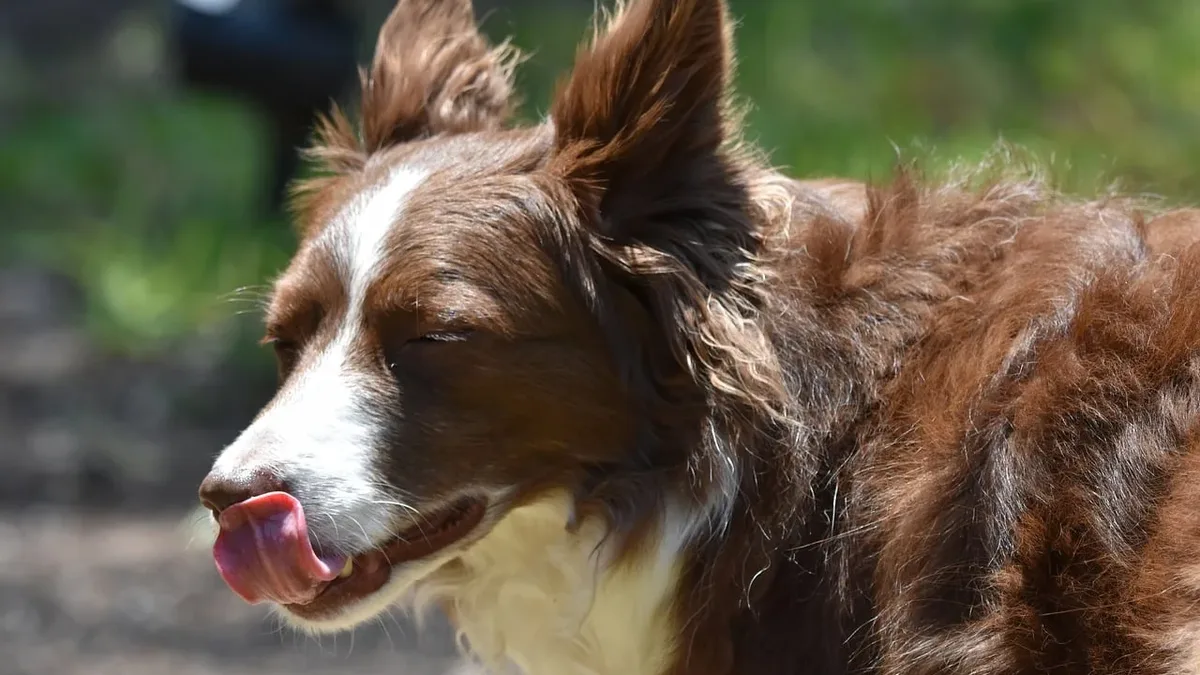
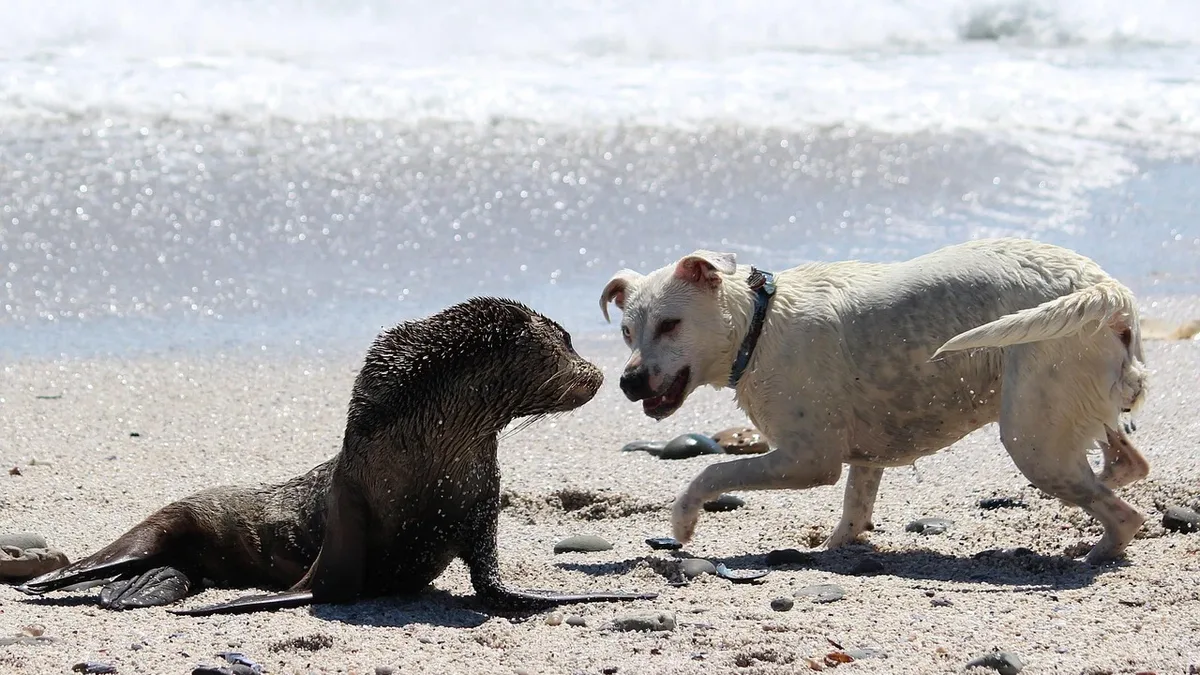
Breed-specific legislation has long been a contentious issue, with many arguing that it is based on a flawed assumption: that a person can reliably identify a dog's breed by its appearance. Research has consistently shown that this is not the case. A widely cited 2015 study published in The Veterinary Journal found that even experienced shelter staff were unable to accurately identify Pit Bull-type dogs based on appearance alone.
The study, which involved 16 shelter staff members and 120 dogs, found that DNA testing revealed only 21% of the dogs to have Pit Bull-type heritage. In contrast, staff flagged 52% of the dogs as Pit Bull-types based on appearance alone. This means that one in five dogs genetically identified as Pit Bull-types were missed by every single staff member, while one third of dogs labelled as Pit Bull-types by staff did not possess Pit Bull DNA.
$3 Million a Year to Enforce an Unreliable Law
The process of ending the ban in Prince George's County has also revealed the significant costs of enforcing breed-specific legislation. According to county officials, the ban targeted Staffordshire Bull Terriers, American Staffordshire Terriers, American Pit Bull Terriers, and any dog that merely appeared to be predominantly one of these breeds, and cost an estimated $3 million a year to enforce.
| Breed | Cost to Enforce |
|---|---|
| Staffordshire Bull Terriers | $1.2 million |
| American Staffordshire Terriers | $800,000 |
| American Pit Bull Terriers | $600,000 |
| Other breeds | $500,000 |
Why This Isn't Just a Maryland Problem
Breed-specific rules show up far beyond animal control ordinances. Home and pet insurance policies frequently exclude or upcharge for "Pit Bull-type" dogs. Rental listings and HOA bylaws do the same. Rescue and shelter websites label dogs by breed to help with adoption, often based on the same kind of visual guess the 2015 study tested. None of these systems typically use DNA to confirm the label before it's applied, and all of them carry real consequences: a denied lease, a canceled policy, a dog passed over for adoption, or a dog whose owner is unknowingly or unintentionally breaking the law.
Behavior In, Breed Out: The New Rules
Under the new rules, Prince George's County has replaced its breed-based ban with behavior-based assessment. All dogs must now be leashed, with retractable leashes no longer considered adequate restraint. Penalties for any dog legally deemed dangerous, regardless of breed, now range from $500 to $3,000 depending on the offense. Residents fostering or adopting a previously banned breed go through a new pilot program requiring a $25 permit and mandatory training. HOAs and private landlords can still set their own breed or size restrictions, so a repealed county law doesn't override a lease.
What This Means If Your Dog Might Be a "Pit Bull"
If you live somewhere with breed restrictions, whether in a lease, an insurance policy, or a local ordinance, and there's any ambiguity about your dog's ancestry, a DNA test is inexpensive relative to what's at stake and removes the guesswork entirely. Documentation of your dog's individual behavior and training history tends to carry more legal and practical weight than a visual label ever will, and it's worth keeping records of both. And if a shelter, landlord, or insurer tells you what your dog "is" based solely on visual assessment, you are well within your rights to challenge it.
The move by Prince George's County to end its breed ban and replace it with behavior-based assessment is a significant step forward in recognizing the flaws in breed-specific legislation. By focusing on behavior and individual characteristics, rather than breed, we can create a more fair and effective system for dog ownership and legislation.