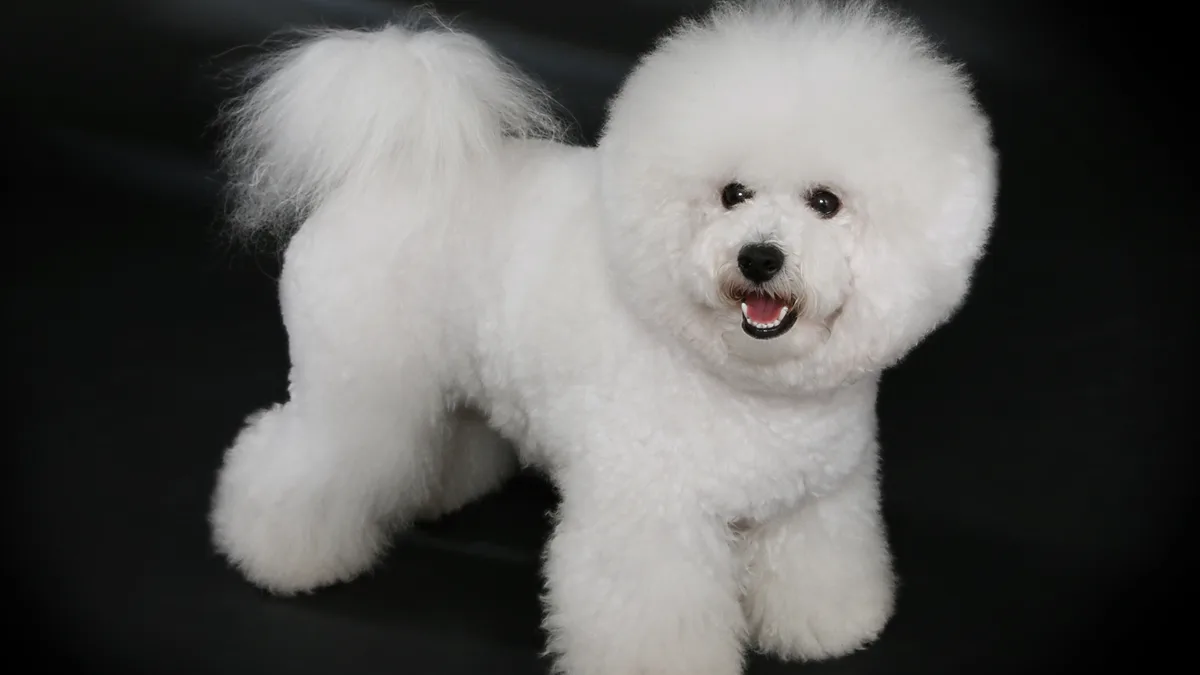
Bichon
| Country of origin | Mediterranean region (Spain) |
|---|---|
| First created | 13th to 14th century |
| Original use | Companion dog, lapdog |
| Size | Small |
| Coat | Curly, double coat, hypoallergenic |
| Shedding | Low |
| Temperament | Playful, affectionate, gentle |
| Good with children | Yes |
Origin and history
The Bichon Frisé, often simply called the Bichon, is a small breed with origins tracing to the Mediterranean region. Its ancestors are believed to be the Barbet, or Water Spaniel, and small white dogs often used on Spanish sailing ships. The breed was developed into its modern form primarily in France and Belgium during the Renaissance period. It became a favored companion dog among European nobility in the 16th century. The modern breed standard was solidified in France in the 1930s. The Fédération Cynologique Internationale officially recognized the breed in 1933.
What it was bred for
The Bichon was bred exclusively as a companion and lapdog for aristocratic families. Its primary function was to provide affectionate companionship and to be a charming, decorative presence in the home. The breed's cheerful disposition and small size made it ideal for indoor living in palaces and wealthy households. Historically, its appealing looks also led to its use as a barter item by sailors traveling along the Mediterranean coast. Unlike many breeds, it was never developed for hunting, herding, or guarding purposes. Its breeding focused entirely on temperament and appearance suitable for a life of leisure and close human contact.
Life cycle
A Bichon typically reaches its full adult size, both in height and weight, by approximately one year of age. Sexual maturity is generally achieved between six to nine months, though responsible breeding is not advised until the dog is physically and mentally mature, usually after two years. The breed remains playful and active well into its senior years, often showing only gradual signs of slowing down. Senior Bichons, usually considered those over ten years of age, may require adjustments to their diet and exercise routine. Throughout its life, the breed requires consistent grooming and regular veterinary check-ups to manage breed-specific health concerns. The entire life cycle is spent as a deeply integrated member of a household, demanding constant companionship.
Character and appearance
The Bichon is a small, sturdy dog with a distinctive white, powder-puff coat that is soft and curly. Its character is notably cheerful, affectionate, and sensitive, forming very strong bonds with its family members. The breed is generally good with children, other dogs, and strangers, exhibiting a friendly and outgoing demeanor. A well-socialized Bichon is playful and enjoys being the center of attention, but it can develop separation anxiety if left alone for long periods. The breed's dark, round eyes and black nose and lips provide a striking contrast to its white coat, creating an alert and expressive face.
Bichon puppies
Bichon puppies are born with a softer coat that gradually develops its characteristic curl as they mature. They are typically very small and require careful supervision and a safe environment to prevent accidental injury. Early socialization is absolutely critical for Bichon puppies to ensure they grow into confident, well-adjusted adults comfortable with various people, sounds, and situations. Puppies require initiation into a consistent grooming routine from a very young age to acclimate them to being handled, brushed, and bathed. House training can sometimes present a challenge with this breed, requiring immense patience and a consistent schedule. Prospective owners should seek reputable breeders who conduct health screenings on the parent dogs for common genetic issues.
Bichon lifespan
The typical lifespan of a Bichon Frisé is between 12 to 15 years, with many living longer with excellent care. This longevity is supported by responsible breeding practices that aim to minimize hereditary health problems. Achieving this lifespan requires proactive veterinary care, including regular dental cleanings, as the breed is prone to periodontal disease. A balanced diet and appropriate exercise are fundamental to maintaining a healthy weight and supporting joint health throughout the dog's life. Common age-related conditions that may affect lifespan include cataracts, bladder issues, and patellar luxation. Consistent management of these potential health concerns is key to helping a Bichon live a full life.
Mini/teacup Bichon
There is no officially recognized "mini" or "teacup" variety of the Bichon Frisé breed standard. Dogs marketed as such are typically the runts of litters or may be the product of intentional breeding for unnaturally small size. This selective breeding for extreme miniaturization significantly increases the risk of severe health problems, including fragile bones, heart defects, and hypoglycemia. Their tiny size also makes them exceptionally vulnerable to injury from household accidents or rough handling. Reputable breed clubs and ethical breeders strongly discourage the pursuit of these non-standard sizes due to animal welfare concerns. Prospective owners should be wary of breeders who advertise or charge premiums for "teacup" Bichons.
Bichon mix
Bichon mixes, often called designer hybrids, combine the Bichon Frisé with another purebred dog. Common mixes include the Maltichon (Maltese and Bichon), the Poochon (Poodle and Bichon), and the Chonzer (Schnauzer and Bichon). The primary aim of these crosses is typically to blend the Bichon's affectionate temperament with traits from another breed, such as the Poodle's low-shedding coat. However, the appearance, temperament, and health of mixed-breed puppies are unpredictable and can vary widely even within the same litter. While hybrid vigor is sometimes cited, these mixes can still inherit health issues common to either parent breed. Responsible rescue organizations and shelters are common sources for adult Bichon mixes.
Pros and cons
Pros include a generally friendly and affectionate temperament suitable for families and seniors, a hypoallergenic coat that sheds minimally, and a manageable size for apartment living. The breed is typically playful and adaptable, enjoying both indoor play and outdoor walks. Cons are significant and include very high grooming demands, requiring professional clipping every few weeks and daily brushing to prevent painful mats. The breed is prone to separation anxiety, often leading to destructive barking and chewing when left alone. Common owner regrets stem from underestimating the time and financial cost of professional grooming and from the difficulty of house training. Health issues like allergies, dental disease, and bladder stones can lead to substantial veterinary expenses over the dog's lifetime.
Who it suits
This breed best suits individuals or families who are home most of the day and can provide constant companionship. It is ideal for owners who enjoy and can afford the commitment of frequent professional grooming, or who have the skill to maintain the coat themselves. Retirees or people in quiet households often find them to be excellent, affectionate companions, provided they can meet the dog's exercise needs. The Bichon is not well-suited for busy households where it would be left alone for long hours regularly, nor for those unwilling to engage in consistent, positive training. It can be a good fit for novice dog owners if they thoroughly research the breed's specific grooming and social needs beforehand. Ultimately, it suits someone seeking a devoted, indoor-oriented pet and who views grooming as an integral part of responsible ownership.