Dogs poisoned by discarded drugs surge in UK parks
UK animal poison centres report a 42% rise in cases of dogs ingesting recreational drugs and nicotine in 2025.
Animal poison centres in the UK logged a 42% increase in calls about pets exposed to recreational drugs and nicotine in 2025. The number of cases rose from 445 in 2024 to 633, a jump that far outpaces the 26% overall increase in poison inquiries. The centres now handle an average of one such call every day, representing an 87% surge compared to 2021 figures. Cannabis and nicotine products account for the bulk of exposures, with cocaine and magic mushrooms also contributing to what is on course to be a record year for these poisonings.
Real cases highlight the danger in familiar places
Pamela Wesson, 72, no longer lets her jack russell-pug cross, Lola, off the lead in Mill Road cemetery in Cambridge. The decision followed a frightening incident on Christmas Eve 2023. After darting into bushes in the cemetery, Lola returned home, collapsed, and had to be rushed to an emergency vet. She was diagnosed with toxin ingestion and recovered after an expensive overnight stay. Wesson suspects Lola ate residues from drugs in human waste, a concern supported by confirmed police drug seizures in that same cemetery.
In a separate mountain incident, Christina Bluhme’s six-year-old labrador, Tokyo, fell critically ill near the 1,345-metre summit of Ben Nevis. The 24kg dog began swaying, lost strength in her hind legs, and became lifeless. A senior emergency vet, after consulting the Veterinary Poisons Information Service, confirmed Tokyo had ingested a neurotoxin. Symptoms included loss of bladder control, drifting consciousness, a very low body temperature, and a distinct cannabis smell. The Lochaber Mountain Rescue Team had to carry Tokyo down on a stretcher. Her treatment, including activated charcoal and an overnight stay, cost £1,121 and was covered by pet insurance. After appearing on television to discuss the ordeal, Bluhme, a 50-year-old dog trainer from Surrey, received hundreds of messages from people with similar experiences. She said the response opened her eyes to a widespread problem.
Vets warn of risk to food-motivated breeds
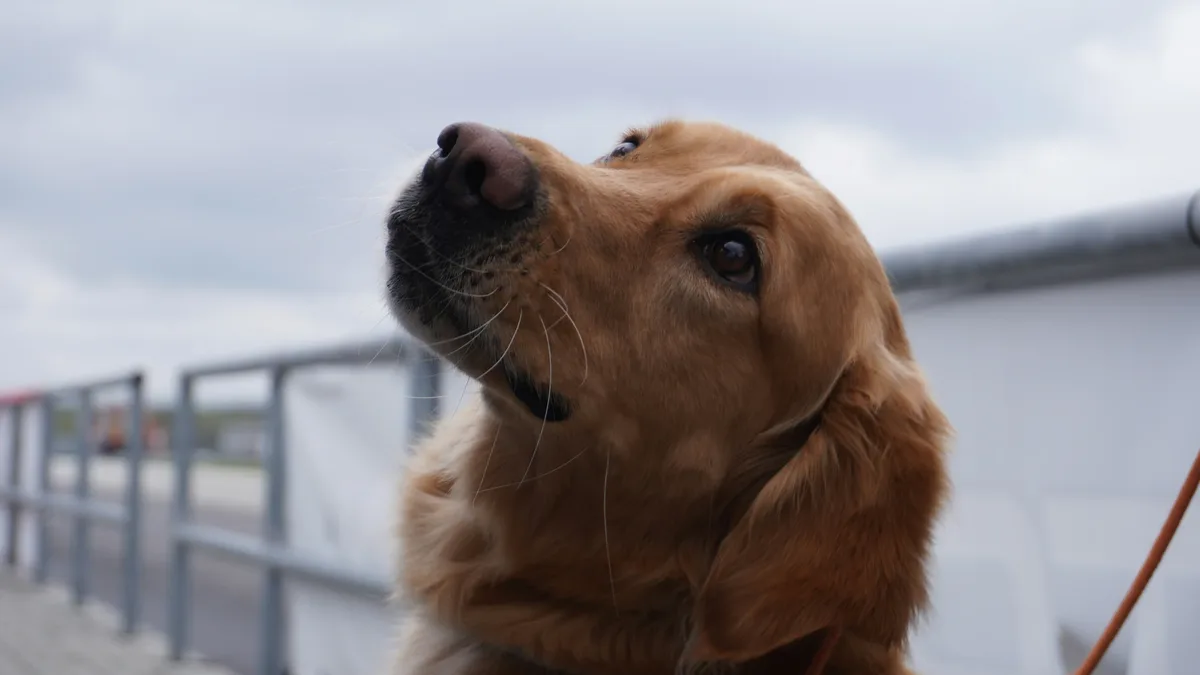
Experts identify certain dog breeds as particularly vulnerable due to their indiscriminate eating habits. Aimee Warner, a veterinarian with the insurer Waggel, stated, "Highly food-motivated breeds like labradors, golden retrievers and beagles are most at risk." This behavioural trait explains why dogs are poisoned far more often than cats. Dr Nicola Robinson of the Veterinary Poisons Information Service noted the curious nature of canine appetites. "It’s quite remarkable what dogs decide to eat. Cats think before they eat, so there are far fewer cases of cats than dogs," she said. Robinson also highlighted the common locations for exposure, noting pets often find drugs in an alleyway, a public park or even in quite rural places like the woods. Waggel has tracked a steady five-year climb in cannabis-related insurance claims.
Owners urged to seek immediate veterinary care
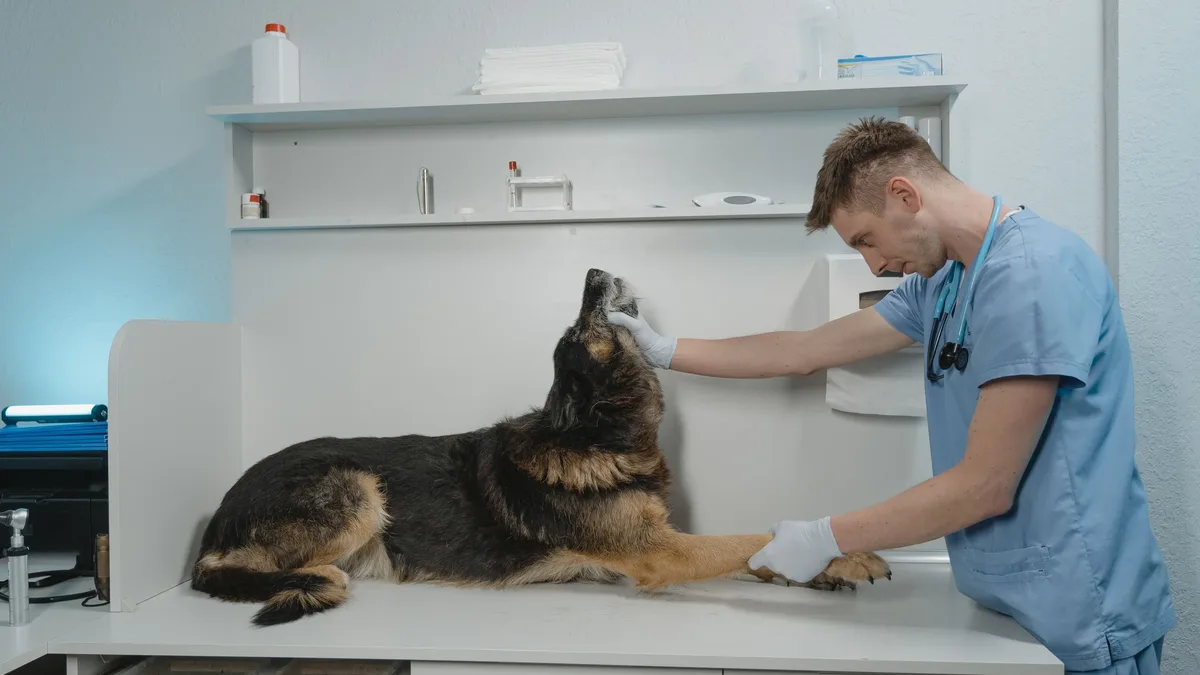
The UK’s two emergency animal poison services are the Veterinary Poisons Information Service, which advises vets, and the Animal PoisonLine, for pet owners. The heads of these services stress that speed is critical. If an owner suspects their dog has ingested a drug, they should go directly to a veterinarian rather than first calling a helpline. A vet can begin immediate treatment and will contact the poison centre for specialist advice if needed. This direct action can be the difference between a full recovery and a tragedy.
Both Lola and Tokyo made complete recoveries after their ordeals. Tokyo’s case, in particular, sparked widespread concern and discussion among dog owners online, though some social media jokes about the incident were not appreciated by her owner. The clear advice for owners is to keep dogs on leads in areas known for drug activity and to seek veterinary care without delay if poisoning is suspected.