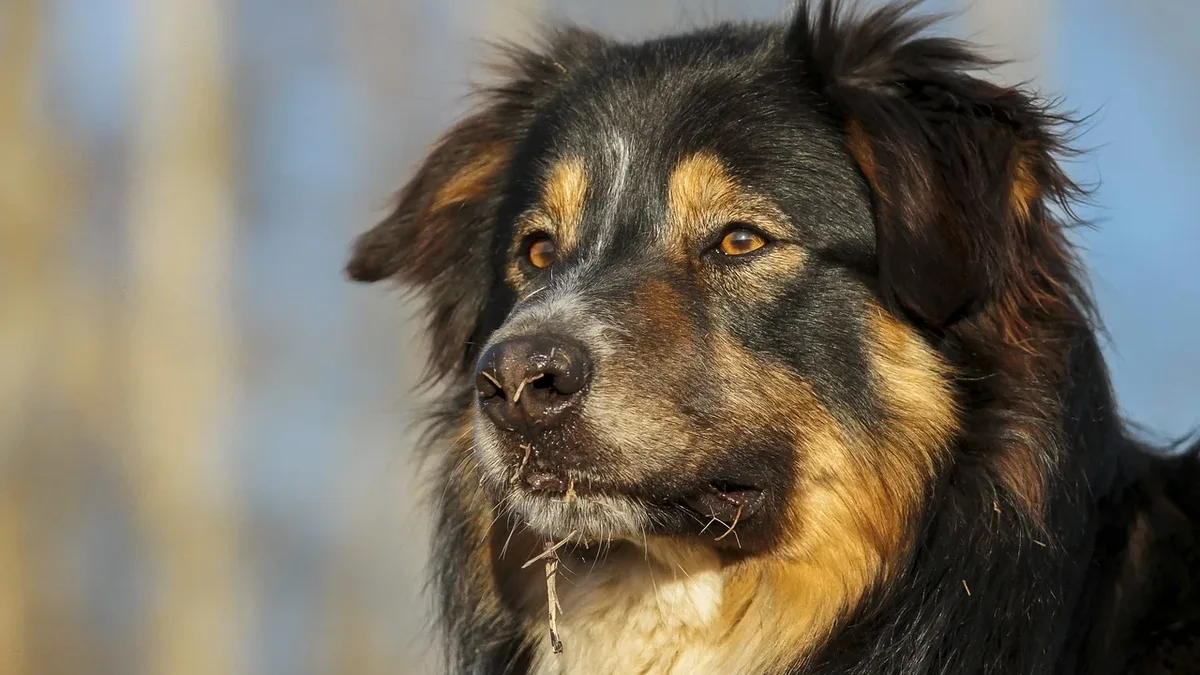
Belgian Malinois
| Size | Medium to large |
|---|---|
| Lifespan | 12 to 14 years |
| Coat | Short, straight, and dense |
| Shedding | Moderate, year-round |
| Temperament | Intelligent, alert, driven, and high-energy |
| Good with children | With proper socialization and supervision |
| Exercise needs | Extremely high; requires vigorous daily activity and mental work |
Belgian Malinois puppies
Belgian Malinois puppies are high-energy working dogs from their earliest weeks. They exhibit intense curiosity and a strong drive to bite, herd, and chase, requiring immediate and structured guidance. Early socialization is non-negotiable to prevent wariness or over-protectiveness toward strangers and other animals. Puppies learn with remarkable speed, making consistent, positive training essential from the first day they come home. Owners must provide ample safe outlets for chewing and mental engagement to manage their innate oral fixation. Without sufficient stimulation, these puppies will independently and destructively create their own work, often involving household items.
Belgian Malinois lifespan
The Belgian Malinois typically enjoys a lifespan of 12 to 14 years, which is relatively long for a dog of its size. Their general hardiness and lack of widespread breed-specific genetic disorders contribute to this longevity. Maintaining a healthy weight through proper diet and exercise is crucial for joint health over their lifetime. Common age-related health concerns that may arise include hip and elbow dysplasia, progressive retinal atrophy, and certain skin conditions. Regular veterinary check-ups and proactive care are important to address any issues early. Their sustained high energy and drive often continue well into their senior years, requiring ongoing physical and mental engagement.
Belgian Malinois mix
A Belgian Malinois mix inherits a combination of traits from the Malinois and its other parent breed, which can be unpredictable. The resulting dog's energy level, drive, and trainability will vary significantly depending on the mix. For example, a mix with a calmer breed may still require considerable exercise but might exhibit a slightly lower intensity. These crosses often retain the Malinois's intelligence and need for a job, but potentially with a modified physical appearance or coat type. Prospective owners should research the specific mix thoroughly and be prepared for a range of possible outcomes in temperament. It is generally advised that individuals without prior experience with high-drive working breeds approach Malinois mixes with caution.
Pros and cons
The primary pro of the Belgian Malinois is its unparalleled work ethic, intelligence, and trainability for dedicated handlers in roles like protection, detection, and dog sports. A significant con is its extremely high demand for both intense physical exercise and constant mental challenge, far exceeding the needs of most pet breeds. Owners frequently regret choosing this breed after underestimating the time and expertise required, leading to a dog that is destructively bored, anxious, or reactive. The common mistake is acquiring a Malinois for its impressive appearance or from popular media without a concrete plan for its occupation. Their strong protective and territorial instincts can manifest as problematic aggression if not correctly channeled and socialized from puppyhood. Furthermore, their sensitivity and drive require training finesse, as harsh methods can create fear-based issues while lack of structure fosters instability.
Who it suits
This breed suits experienced dog handlers or professionals who require a partner for specific, demanding work such as law enforcement, personal protection, or high-level canine sports. It is an appropriate choice for individuals or families with an active, outdoor-oriented lifestyle who can integrate the dog into hours of daily training and activity. The ideal owner possesses a deep understanding of canine behavior, positive reinforcement techniques, and the confidence to provide firm, consistent leadership. A household with a predictable routine and ample secure space for safe, vigorous play is necessary. The breed does not generally suit first-time dog owners, sedentary individuals, or homes with very young children unless the handler is exceptionally skilled. It is paramount that the primary caretaker views dog ownership as a central, time-consuming hobby rather than a casual commitment.