Veterinarian Explains Core and Lifestyle Dog Vaccines
A veterinarian details essential and optional vaccines for dogs, while German Shepherd owners highlight the breed's versatility beyond its working-dog reputation.
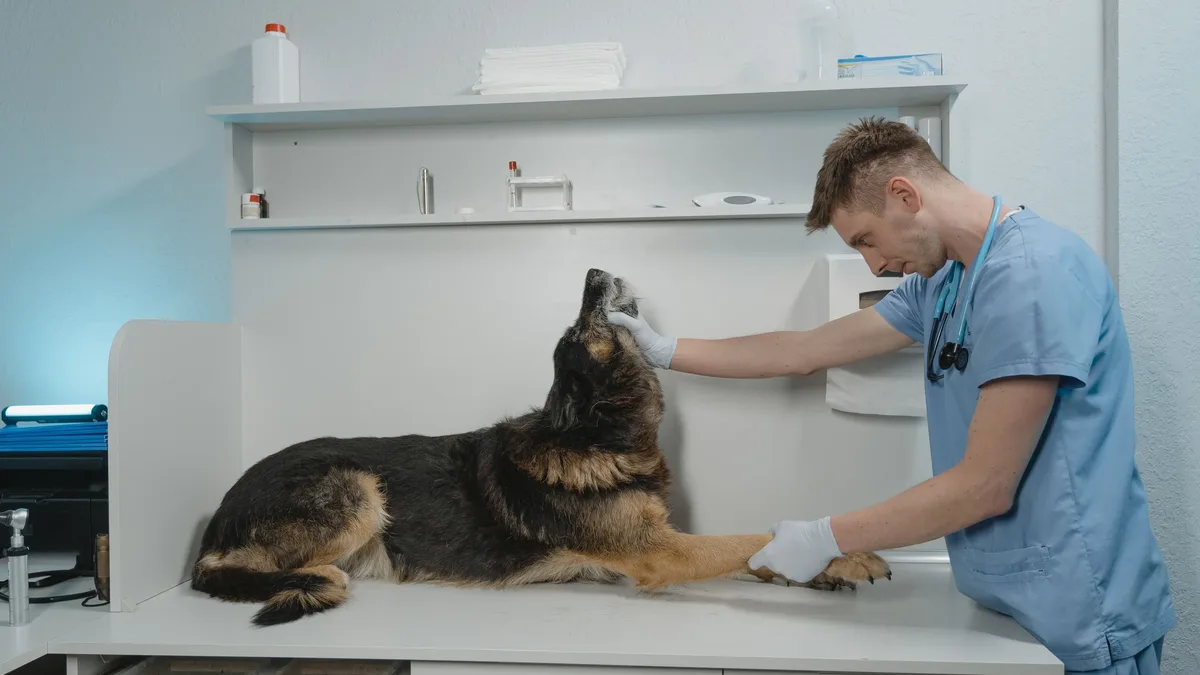
A veterinary expert has clarified the essential and optional vaccines for dogs, from puppyhood through adulthood. Separately, German Shepherd Dog enthusiasts are working to show the breed's full potential as versatile companions and athletes beyond common stereotypes.
Essential Dog Vaccines
Veterinarian Eileen Fatcheric, DVM, recently outlined core and lifestyle vaccines for dogs in a detailed discussion. She explained a typical puppy vaccine schedule, the need for multiple initial doses, and when puppies receive their first rabies shot.
The core vaccines are recommended for every dog, and the list has seen a recent change, though specifics were not provided. Lifestyle vaccines protect against conditions like Lyme disease, kennel cough (Bordetella), and canine influenza, which are recommended based on a dog's exposure risk. For adult dogs, Dr. Fatcheric covered how often boosters are needed for each type of vaccine. The conversation also addressed using vaccine titers to measure immunity and potentially avoid over-vaccination, situations where a vaccine should be delayed or skipped, and how to manage risk for a dog who cannot be vaccinated. Common misconceptions about dog vaccines, including specific concerns about the Lyme vaccine, were also among the topics discussed.
German Shepherd Versatility
The German Shepherd Dog is a breed developed in Germany in the late 1800s by Captain Max von Stephanitz, originally intended as an ideal herding and farm dog. Its trainability and quick responses led to its use in police, military, and as the first Seeing Eye service dogs in the 1920s.
Wars impacted the breed's perception, leading to a temporary name change in the United States in 1917 to remove "German." Its association with military and police work contributed to a stereotype of the breed as solely strong or "scary," a reputation not helped by irresponsible ownership and lack of training. In reality, owners emphasize the German Shepherd's intelligence, thoughtfulness, and loyalty, making them excel not only as working dogs but also as companions, sport competitors, and therapy dogs. Sandy Fitch, owner of therapy and sport dog Kinnick, notes that many people are nervous upon seeing a German Shepherd due to media portrayals. She builds trust by demonstrating her dog's obedience and tricks.
Consistent training from a young age is cited as key for the breed to live up to its potential. Becky Slanker, who has owned four therapy German Shepherds, finds they thrive with the same training techniques as any other breed. Michele Pratt-Koss is active in numerous dog sports with her German Shepherd Ruby, whom she describes as a great, versatile dog who loves to work.