Husky Mix Breaks Habit After Owner's Six-Day Trip
A Husky mix named Maggie surprised her owner by sitting in the front car seat for the first time ever after a six-day separation, a gesture viewers found
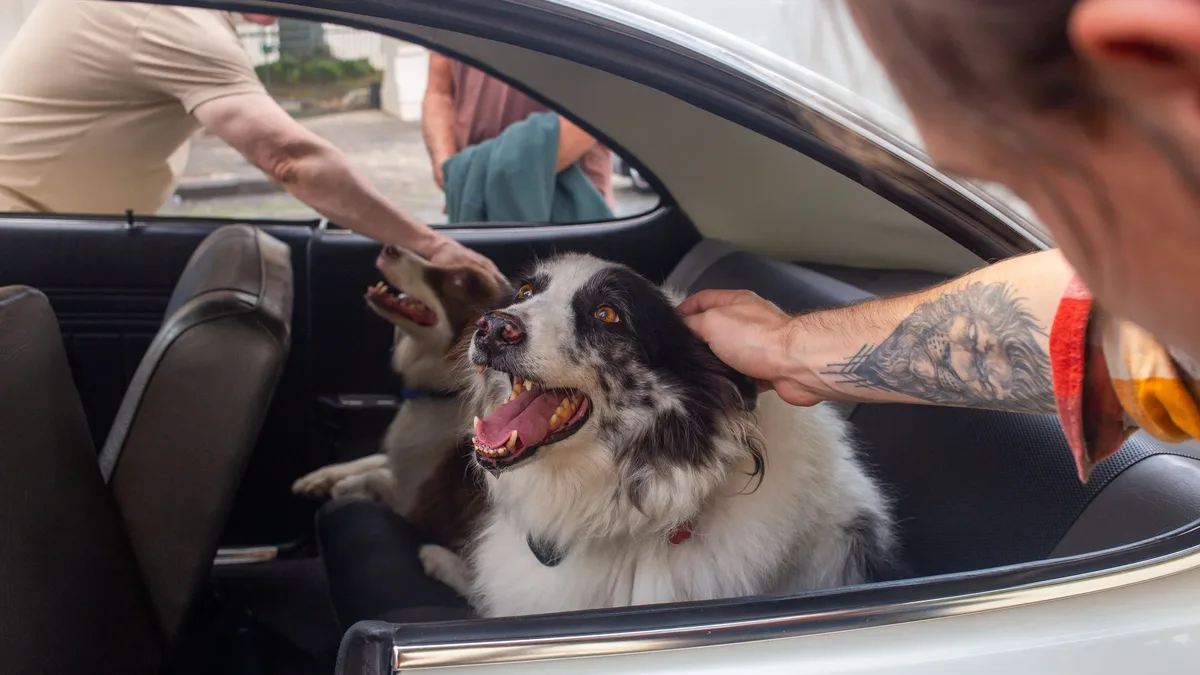
A dog named Maggie expressed her longing for her owner with a simple, unprecedented act. After her owner returned from a six-day trip, the Husky mix sat in the front passenger seat for the first time in four years.
According to a video shared on Instagram by the account @maggiemalamute, Maggie's owner was deeply moved by the change in behavior. The owner explained that throughout their entire four-year relationship, the dog had always preferred to ride in the back seat. This single gesture after a week apart spoke volumes about the dog's feelings.
The significance of changed routine
Dogs are creatures of habit, and a consistent routine spanning years carries significant weight. Maggie's deliberate choice to break a four-year pattern was a clear communication of her emotional state. The owner described feeling surprised and emotional upon seeing Maggie planted firmly in the front, interpreting it as a sign of how much the dog had missed her.
Animal behavior experts often note that dogs can exhibit new behaviors to seek proximity and reassurance after a separation. Maggie's action aligns with this understanding. She seemingly wanted to minimize any further distance from her favorite person.
Viewer reactions to the emotional moment
The online audience was captivated by Maggie's sweet expression and the story's sentiment. One commenter interpreted the dog's face as saying, "Don't you ever leave me again, Mom!" Another viewer affectionately called Maggie a "little passenger princess." These reactions highlight how people readily connect with displays of canine affection.
The video shows that dogs do not need exaggerated actions to convey their emotions. Sometimes, the simplest deviation from normal behavior-like choosing a different seat-can be the most powerful statement. It serves as a reminder of the deep bonds formed through daily companionship.
Understanding canine communication
While the source does not cite a specific animal behaviorist, it frames Maggie's action as a loving and affectionate response. The report suggests such heartfelt displays are not uncommon in dogs. They find ways to express joy and relief upon reunion, often through increased physical closeness or attention-seeking.
Maggie's story is a specific example of this broader pattern. Her four-year habit of back-seat riding made her sudden preference for the front a notable event. For her owner, it was a direct and touching message. The dog's action effectively communicated a heartfelt welcome home without a sound.