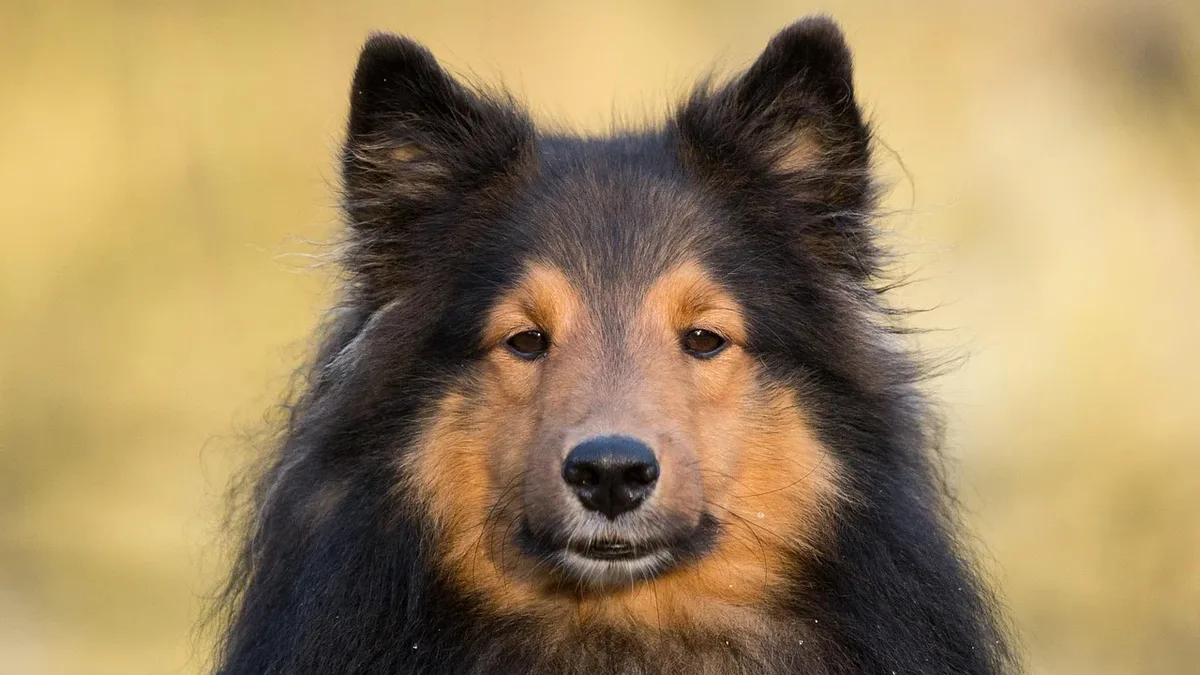
Border Collie
| Size | Medium |
|---|---|
| Lifespan | 12 to 15 years |
| Coat | Medium-length double coat, smooth or rough |
| Shedding | Seasonal, moderate to heavy |
| Temperament | Energetic, intelligent, work-focused |
| Good with children | Good with supervision, better with older children |
| Exercise needs | Extremely high; requires vigorous daily activity and mental work |
| Trainability | Exceptionally high; excels in obedience and agility |
Border Collie puppies
Border Collie puppies are energetic and highly intelligent from a very young age. They require early socialization with people, other animals, and various environments to prevent shyness or nervousness. Basic obedience training should begin immediately, as their quick minds are easily bored and can develop undesirable habits. Puppies have significant mental and physical exercise needs that must be met with age-appropriate activities to avoid frustration. Their herding instinct often manifests early in behaviors like chasing and nipping at moving objects, including children's feet. Prospective owners must be prepared to provide structured outlets for this drive from the outset.
Border Collie lifespan
The Border Collie is generally a long-lived breed, with a typical lifespan ranging from 12 to 15 years. Their longevity is supported by their overall robust health and athletic build. Maintaining a healthy weight through proper diet and ample exercise is crucial for preventing joint stress and other weight-related issues that can shorten their life. Regular veterinary care, including preventative screenings, helps manage breed-specific concerns such as hip dysplasia and certain inherited eye conditions. Mental stimulation and continued engagement in work or play throughout their senior years also contribute to their overall well-being and lifespan. A well-cared-for Border Collie often remains active and alert well into its double digits.
Mini/teacup Border Collie
There is no officially recognized miniature or teacup variety of the Border Collie breed. Dogs marketed as such are typically the result of breeding runts or mixing with smaller breeds, which does not conform to any breed standard. This practice raises significant ethical and health concerns, as it can intentionally perpetuate genetic defects and fragile constitutions. A true, purebred Border Collie is a medium-sized dog with a defined height and weight range. Prospective owners seeking a smaller herding dog should consider other established small breeds rather than supporting irresponsible breeding. The drive and energy of a Border Collie are not diminished in a smaller, poorly-bred dog, making such animals unsuitable as mere accessories.
Border Collie mix
Border Collie mixes combine the breed's traits with those of another, resulting in a dog of unpredictable characteristics. Common crosses include the Border Collie with Australian Shepherd, Labrador Retriever, or Poodle, often intended to blend intelligence with specific traits. The herding instinct and high energy level of the Border Collie parent are frequently strong influences in the mix. Potential owners should evaluate the needs and tendencies of both parent breeds when considering a mix, as the dog may inherit the most demanding traits of each. While mixes can be wonderful companions, they are not a shortcut to a lower-maintenance dog. Rescue organizations often have Border Collie mixes available, and understanding the challenges of both lineages is key to a successful adoption.
Pros and cons
The primary advantage of a Border Collie is its unparalleled trainability and eagerness to work, making it excel in dog sports and complex tasks. A significant con is its intense requirement for both physical and mental exercise; without several hours of vigorous activity and challenging work daily, it will become destructive and develop neurotic behaviors like obsessive circling or barking. People who regret choosing this breed are typically those who underestimated this demand, viewing it as merely a smart pet rather than a working partner. Another common problem is the breed's strong herding instinct, which can lead to inappropriate chasing of cars, bikes, and children. The breed's sensitivity and intelligence mean it does not respond well to harsh training methods or neglect, often resulting in a fearful or anxious dog. The common mistake is acquiring a Border Collie for its looks or intelligence without a concrete plan to fulfill its fundamental need for a job.
Who it suits
The Border Collie suits an active person or family with a lifestyle centered around outdoor activity and canine sports. It is an ideal match for someone involved in herding, agility, flyball, disc dog, or advanced obedience who can provide a consistent training regimen. This breed thrives in homes with large, securely fenced areas where it can run and work safely. It is best for owners who understand canine psychology and are committed to positive, ongoing training and socialization. The Border Collie is not well-suited for apartment living, sedentary households, or first-time dog owners unprepared for its intensity. It is a dog for a dedicated handler who views the dog as a partner in an active pursuit, not merely a companion animal.