House Training
| Difficulty | Easy to moderate |
|---|---|
| Age to start | 8 to 12 weeks |
| Typical time to results | 4 to 6 months |
| Equipment needed | Crate, enzymatic cleaner, treats |
| Common mistakes | Punishing accidents, inconsistent schedule |
| Key principle | Supervision and routine |
| Success rate | High with consistency |
Overview
House training, also known as potty training, is the process of teaching a dog to eliminate waste in a designated outdoor area or on an approved indoor surface. The core objective is to establish reliable cleanliness habits within the domestic environment, preventing accidents on floors, carpets, or furniture. This training utilizes a dog's natural instinct to avoid soiling its immediate living space, guiding it to understand the appropriate location for relief. Success relies on consistent scheduling, close supervision, and positive reinforcement for correct behavior. The process is a fundamental aspect of responsible dog ownership and is typically one of the first training protocols undertaken with a new puppy or rescue dog. While often associated with puppies, adult dogs of any breed or background can be successfully house trained with patience and the correct methodology.
History
The formal concept of house training dogs is intrinsically linked to the historical shift of dogs from primarily working and outdoor animals to widely accepted indoor companions. This transition occurred gradually over centuries, but the practice became a standard domestic concern in Western Europe and North America during the 19th century as dogs became more common in urban middle-class homes. Before this period, dogs that lived in close proximity to humans often resided in barns, kennels, or courtyards, where waste management was less of an indoor issue. The Victorian era's emphasis on domestic order and hygiene likely accelerated the development of structured house training methods. Early techniques were often based on discipline and punishment, reflecting broader training philosophies of that time. The modern, reward-based approach gained prominence in the latter half of the 20th century alongside the rise of positive reinforcement dog training.
How it works today
Modern house training is predominantly based on the principles of management, routine, and positive reinforcement. Management involves closely confining or supervising the dog to prevent unsupervised accidents, often using a crate or a small, easily cleaned room when direct observation is not possible. A strict routine is established, taking the dog to the designated elimination spot at predictable intervals: immediately upon waking, after meals, after play sessions, and before confinement or bedtime. The dog is led to the exact same outdoor spot each time to strengthen the association between the location and the act. When the dog eliminates in the correct place, it is immediately rewarded with high-value treats and enthusiastic praise to create a positive link. Accidents inside are cleaned thoroughly with enzymatic cleaners to remove scent markers, and the event is ignored without punishment, as scolding often leads to fear and secretive elimination.
Pros and cons
A primary advantage of successful house training is the establishment of a sanitary and odor-free home, which strengthens the human-animal bond by allowing the dog fuller indoor access. It provides mental structure for the dog, reducing anxiety by creating predictable routines, and it is a foundational exercise that builds communication and trust between owner and pet. The most significant con is the substantial and unwavering time commitment required, particularly for puppies with limited bladder control, necessitating frequent outings throughout the day and night. A common mistake is inconsistent scheduling or inadequate supervision, which inevitably leads to setbacks and prolongs the training period. The process can be particularly frustrating with some adult rescue dogs that have established poor habits or anxiety-related issues, requiring even more patience and potentially professional intervention. Owners who regret the process are typically those who underestimated the required vigilance or who responded to accidents with punishment, creating additional behavioral problems.
Who it suits
House training is an essential practice for virtually all dog owners who intend for their pet to spend any significant time indoors, regardless of the dog's breed, size, or age. It is especially suited to owners who have a predictable daily schedule, allowing them to maintain the consistent routine critical for success. This training method suits individuals who are patient, observant of their dog's pre-elimination signals, and committed to using positive reinforcement techniques. It is less suited to individuals who are away from home for extremely long, uninterrupted hours without making provisions for a midday break, as this physically prevents adherence to the necessary schedule. People living in high-rise apartments without immediate outdoor access can still succeed but must be prepared for the added logistical step of traveling to the elimination area. Ultimately, successful house training requires an owner who views the process as a fundamental investment in a cooperative and clean long-term living arrangement.
Latest House Training news
Latest reporting

Labrador Puppy Ace Practices Impulse Control in Viral Video
A 12-week-old black Labrador puppy named Ace became an internet sensation by practicing impulse control during a home training session.

Vizsla: Energy, Loyalty, and Owner Needs
The American Kennel Club outlines the Vizsla's high-energy temperament, strong family bonds, and substantial exercise and training requirements.
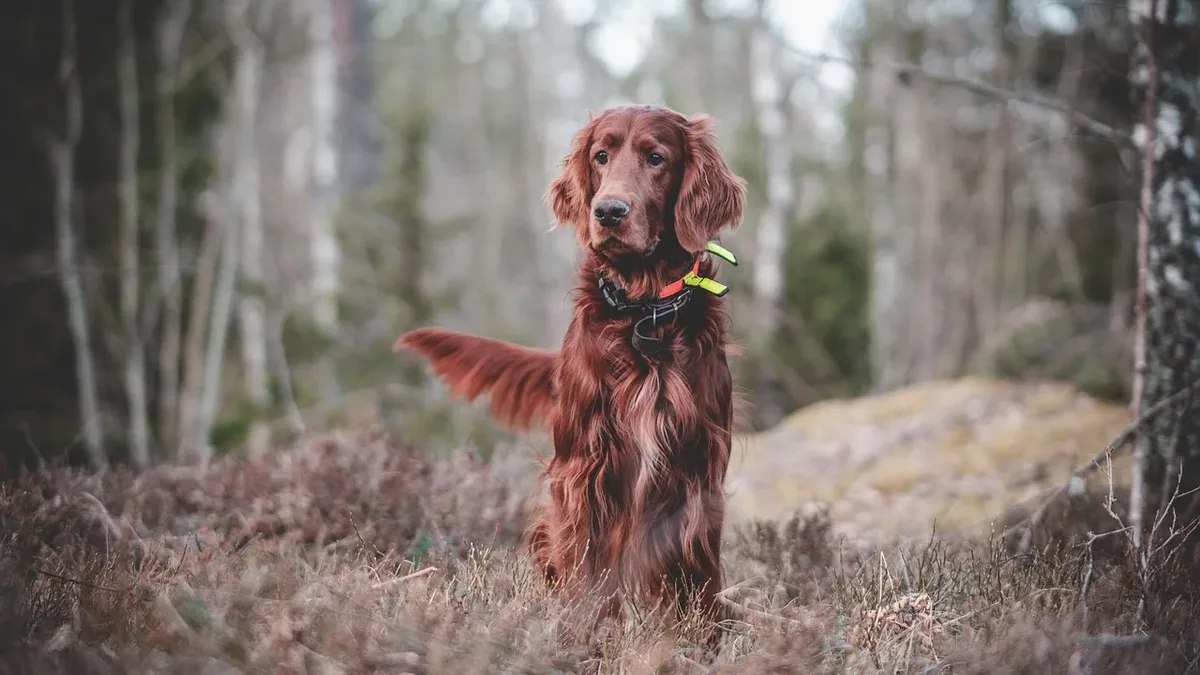
Why Reward-Based Dog Training Methods Matter
Zazie Todd and Kristi Benson discuss the importance of using reward-based dog training methods and how to advocate for dogs.

Senior Rescue Dog's Heartbreaking Goodbyes
A 13-year-old rescue dog named Olive watches her human closely as they prepare to leave the house, making it hard to walk out the door without...

Distracted Dog Rushes Through Commands to Catch Fly
A Vizsla named Penny becomes fixated on catching a fly during a training session, causing her to rush through her owner's commands.
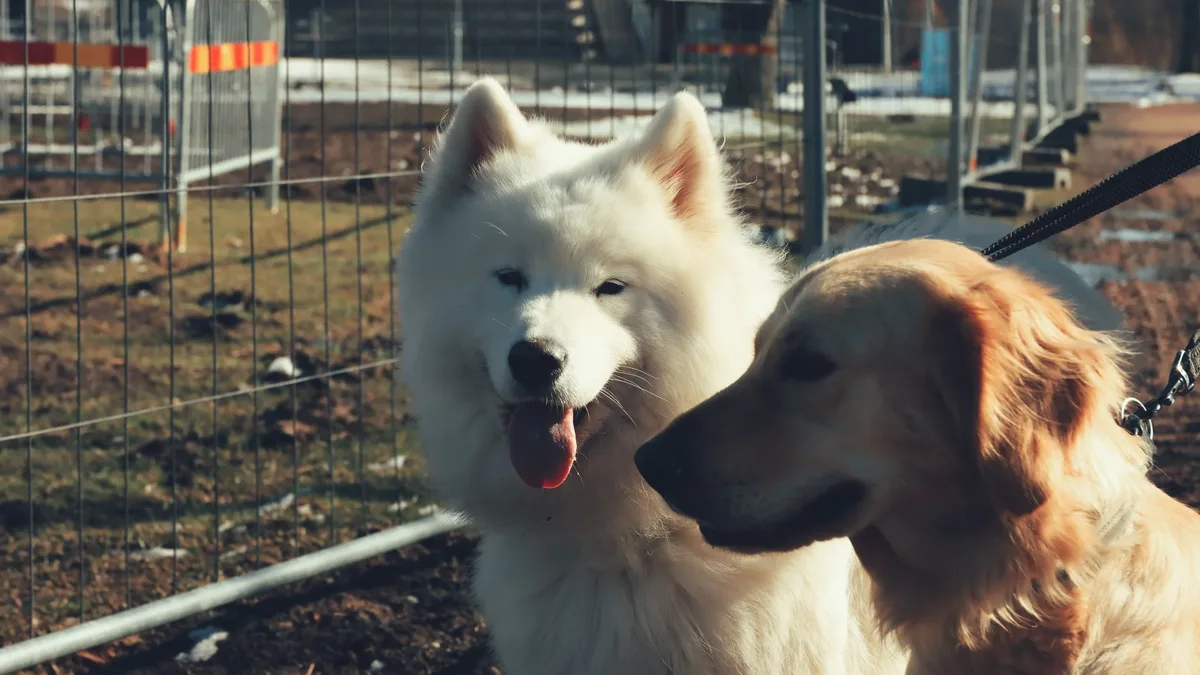
Is the Cocker Spaniel the Right Breed for You?
The Cocker Spaniel is a lovable, energetic breed that makes a great companion for active families. With proper training and socialization, they can...