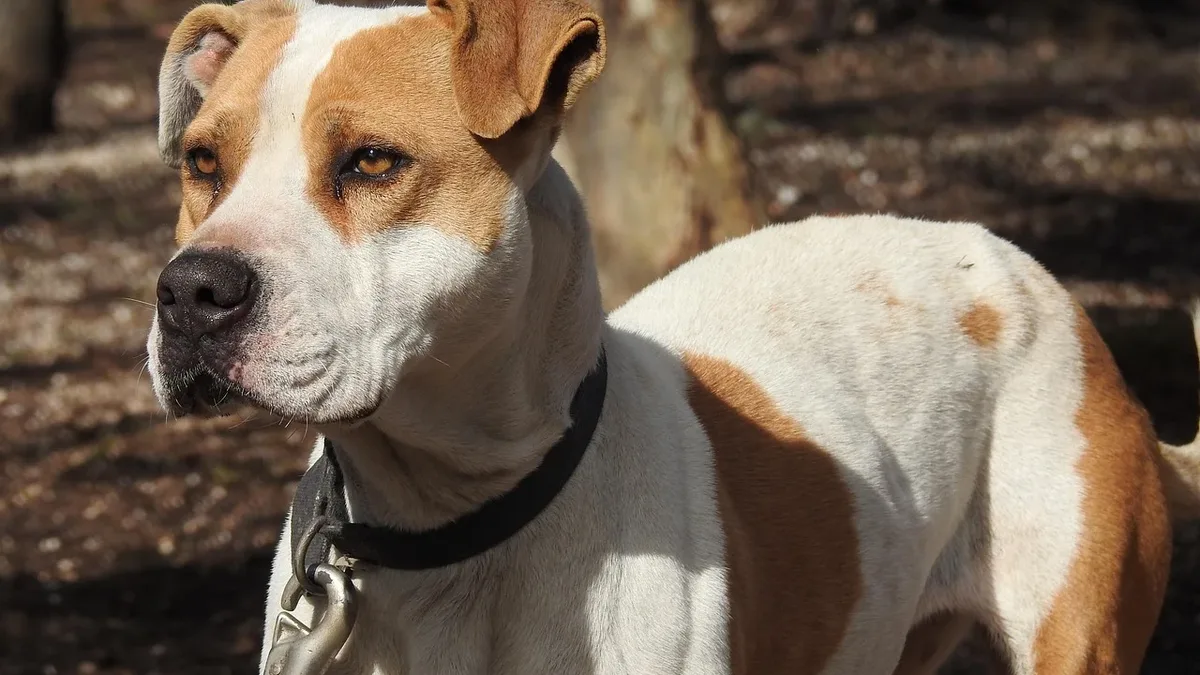
Australian Shepherd
| Country of origin | United States |
|---|---|
| First created | 19th century |
| Original use | Herding livestock |
| Size | Medium |
| Lifespan | 12 to 15 years |
| Coat | Medium length, double coat |
| Temperament | Intelligent, energetic, loyal |
Origin and history
The Australian Shepherd originated in the western United States during the 19th century, not in Australia as its name suggests. Its development is closely tied to the Basque shepherds who immigrated to America from Australia, bringing their sheep and herding dogs with them. These dogs were then crossed with other collie-type breeds already present in the U.S. to create a versatile ranch dog. The breed was refined by American ranchers to work with the tough livestock and varied terrain of the American West. It gained significant popularity post-World War II through its association with rodeos and horse shows, where it performed in trick dog acts. The Australian Shepherd was officially recognized by the American Kennel Club in the 1990s, solidifying its status as a distinct breed.
What it was bred for
This breed was developed primarily as an all-purpose herding and stock dog for American ranches. It was bred to work tirelessly with sheep, cattle, and other livestock, demonstrating immense stamina and resilience. The Australian Shepherd's intelligence and problem-solving abilities were essential for independently managing herds over vast, open ranges. Its agile and athletic build allowed it to quickly change direction and work in tight spaces when moving stock. The breed's strong work ethic and trainability made it invaluable for a variety of tasks beyond herding, including guarding property and serving as a general farmhand. This historical purpose explains its high energy levels, intense focus, and need for a job to do.
Life cycle
Australian Shepherds progress from highly active puppies to energetic adults that require consistent mental and physical engagement throughout their prime. They typically reach physical maturity around 12 to 18 months, but their mental and behavioral maturation can continue until they are about two to three years old. During their adult years, which span from roughly age two to eight, they are at their peak working capacity and require the most substantial daily activity to remain balanced. As they enter their senior years, usually around age eight or nine, their energy levels may gradually decrease, but they often remain active and alert. Proper nutrition, preventive veterinary care, and appropriate exercise tailored to their life stage are crucial for their long-term health. The transition between stages is smooth when their fundamental needs for work and companionship are consistently met.
Character and appearance
The Australian Shepherd is a dog of medium size and athletic build, known for its agility and endurance. Its most distinctive features often include a natural or docked bobtail and striking merle, black, red, or blue merle coat patterns, frequently with marbled or speckled sections and copper or white points. The breed's expression is intelligent, alert, and eager, with eyes that can be blue, brown, amber, or any combination, including marbled. Characteristically, they are highly intelligent, energetic, and devoted to their family, forming strong bonds with their owners. They can be reserved with strangers and have a protective instinct, making early socialization important. Their herding heritage manifests in behaviors like nipping at heels and a tendency to try to control the movement of people and other animals.
Australian Shepherd puppies
Australian Shepherd puppies are bundles of intense energy and require early, structured socialization and training to develop into well-adjusted adults. They are quick learners but can be easily overstimulated, making short, positive training sessions more effective than lengthy ones. Exposure to a wide variety of people, animals, sounds, and environments before 16 weeks is critical to prevent wariness or reactivity. Their herding instincts emerge early, so redirecting nipping and chasing behaviors toward appropriate toys is a constant task. Puppies need a safe, secure space for play and rest, as their curiosity and boldness can lead them into trouble. Investing in puppy training classes is highly recommended to establish communication and manage their innate drive.
Australian Shepherd lifespan
The typical lifespan of an Australian Shepherd is between 12 and 15 years, with many living healthy lives into their early teens. Their longevity is influenced by genetics, diet, exercise, and access to quality veterinary care throughout their life. Like many purebred dogs, they are predisposed to certain hereditary health conditions that can impact their lifespan, including hip dysplasia, certain eye disorders like cataracts and progressive retinal atrophy, and epilepsy. Responsible breeding practices that screen for these conditions are paramount for improving the breed's overall health and longevity. Maintaining an ideal weight through proper nutrition and exercise is one of the most effective ways an owner can support a long, healthy life. Regular veterinary check-ups are essential for early detection and management of any age-related or breed-specific issues.
Mini/teacup Australian Shepherd
The Miniature Australian Shepherd is a recognized smaller variant, developed by selectively breeding smaller-sized Australian Shepherds, while the term "teacup" is a non-standard marketing term. The Miniature Australian Shepherd Club of America formed in the 1990s, and the breed is recognized by some registries as a separate breed, often called the North American Shepherd. They retain all the characteristic traits of the standard breed, including intelligence, high energy, and herding instinct, but in a more compact package. Prospective owners should be aware that irresponsible breeding for extremely small size ("teacup") can exacerbate health problems and negatively impact temperament. All the exercise, training, and mental stimulation requirements of the standard Australian Shepherd apply equally to the miniature version. Ethical breeders focus on health and conformation to a standard, not merely on producing the smallest possible dog.
Australian Shepherd mix
Australian Shepherd mixes, such as the Aussiedoodle (with Poodle) or the Texas Heeler (with Australian Cattle Dog), combine the traits of the Australian Shepherd with those of another breed. The resulting mix can be unpredictable, with puppies in the same litter displaying varying combinations of physical and behavioral characteristics from each parent breed. While mixes are often sought for perceived hybrid vigor, they can still inherit the health concerns common to either parent breed. The strong herding drive and high intelligence of the Australian Shepherd are dominant traits that frequently appear in these crosses. Potential owners should carefully research both parent breeds to understand the full range of possible needs and behaviors. Adopting a mixed-breed dog from a shelter or rescue requires a commitment to understanding and managing an individual dog's unknown background and potential traits.
Pros and cons
Pros include their exceptional intelligence and trainability, making them excel in dog sports, obedience, and complex tasks. They are intensely loyal and form deep bonds with their family, often becoming a shadow to their favorite person. Their versatility and work ethic allow them to succeed in numerous roles, from active companion to service dog. Cons are significant; their high energy and need for mental work mean they easily become destructive and develop anxiety or nuisance barking if under-stimulated. Their herding instinct can lead to nipping at children and chasing vehicles or bikes, creating safety concerns. A common mistake is underestimating the time investment required, leading to owners regretting their choice when the dog becomes unruly and stressed in a sedentary home environment.
Who it suits
This breed best suits an active individual or family with a consistent schedule for substantial daily physical exercise and mental training. It is an ideal match for someone involved in dog sports like agility, flyball, or herding trials, who can channel the dog's drive into structured activities. They thrive in homes with spacious, secure yards and with owners who enjoy incorporating their dog into outdoor adventures like hiking, running, or camping. Experienced dog owners who understand canine behavior and are committed to ongoing, positive reinforcement training will manage this breed most successfully. They are less suited for apartment dwellers without rigorous daily routines, for sedentary households, or for first-time dog owners unprepared for the demands of a high-drive working breed. The Australian Shepherd is a partner for life, requiring an owner who views dog ownership as a central, active hobby.
Latest Australian Shepherd news
Latest reporting
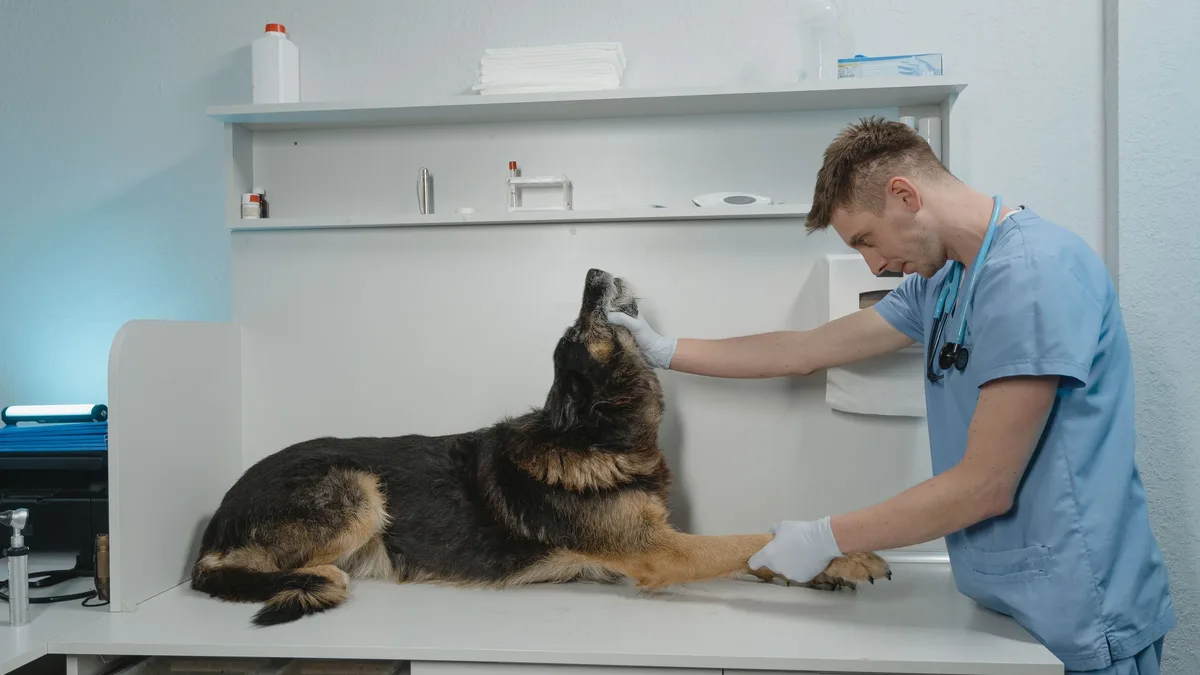
Veterinarian Explains Core and Lifestyle Dog Vaccines
A veterinarian details essential and optional vaccines for dogs, while German Shepherd owners highlight the breed's versatility beyond its...
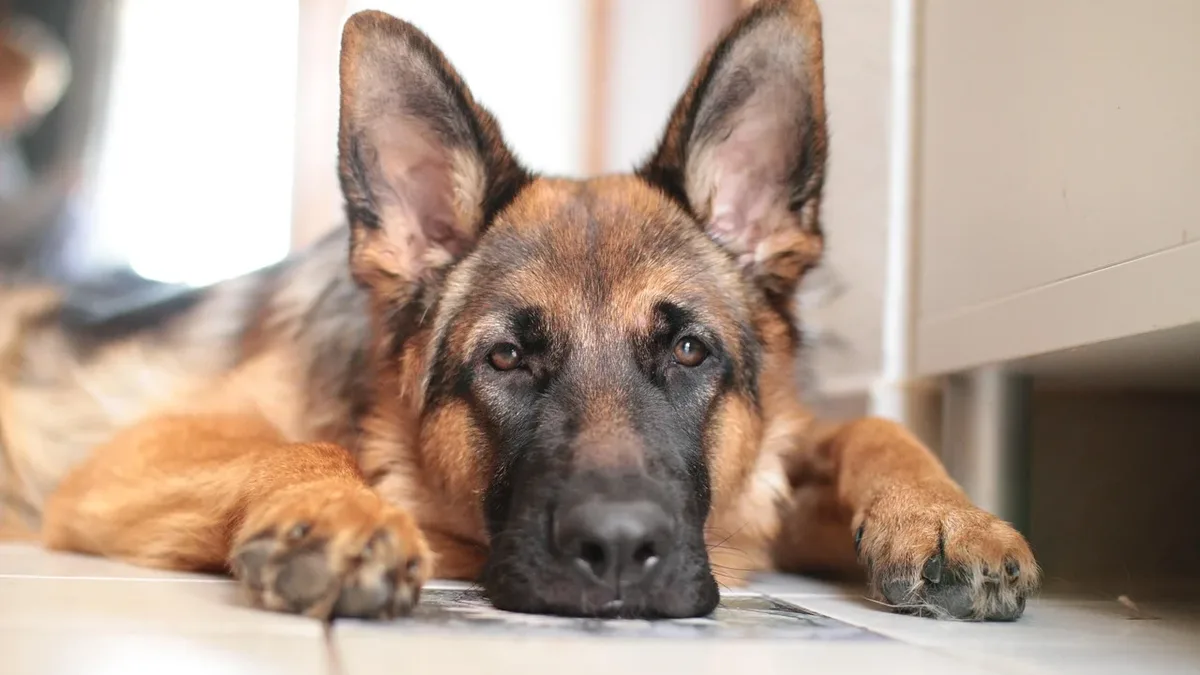
German Shepherd Heartbroken as Girl Starts School
A German Shepherd dog is saddened as her young human companion, whom she has watched over since infancy, begins attending school.
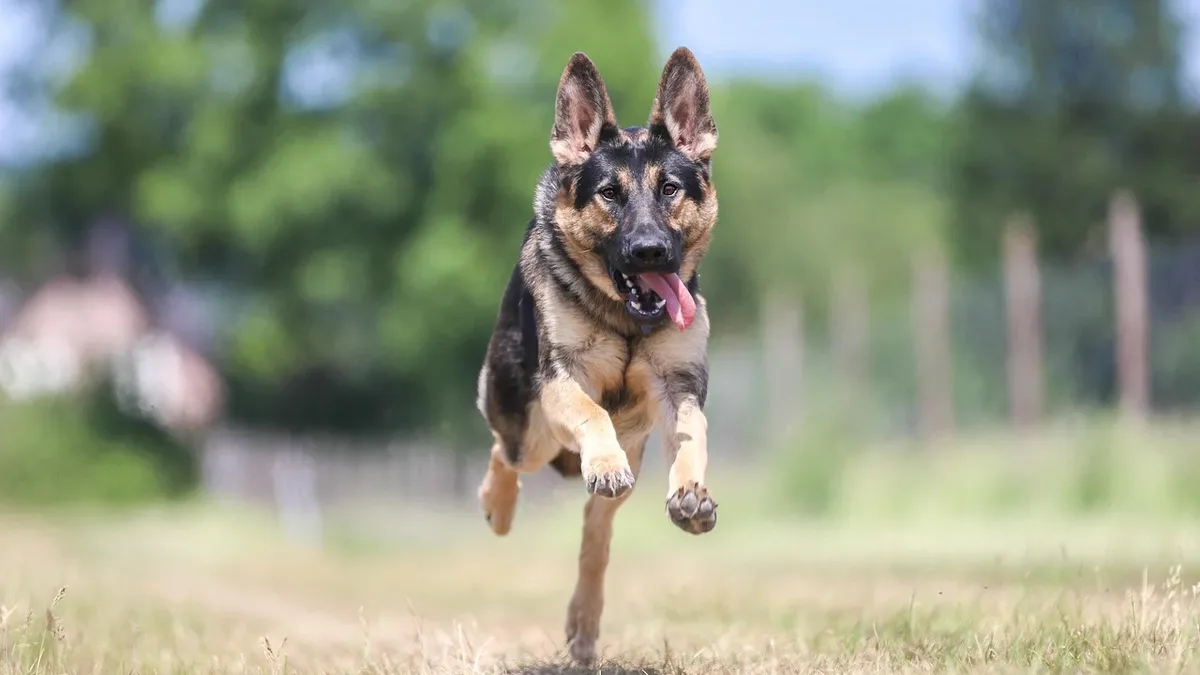
German Shepherd Saves Owner from Wildfire
A German Shepherd named Shadow alerted his owner to a barn fire in August 2026, allowing her to escape. The owner credits the dog with saving her...
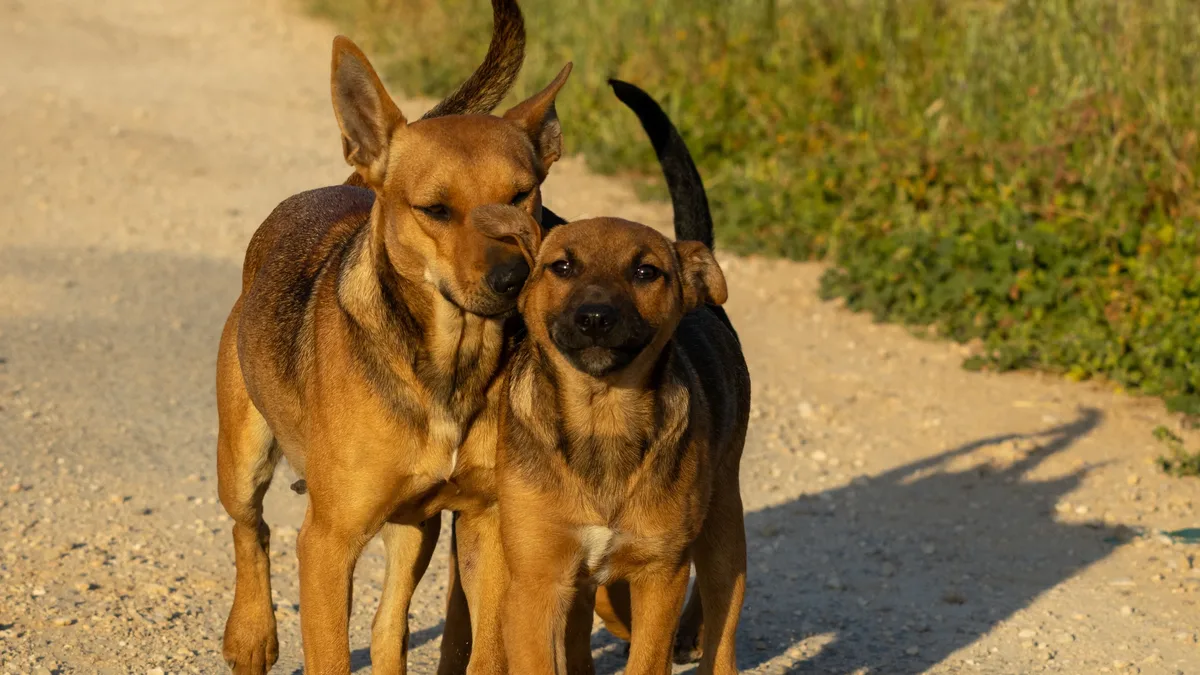
Stubborn Dog Refuses to Leave Park Until Owner Tricks Him
A German Shepherd named Jagger has been captured on video refusing to leave the park until his owner uses a clever trick to get him to follow.