Brain Size and Trainability Vary Across Dog Breeds
Smaller dog breeds have larger relative brain sizes, which correlates with higher trainability scores, according to a recent study.
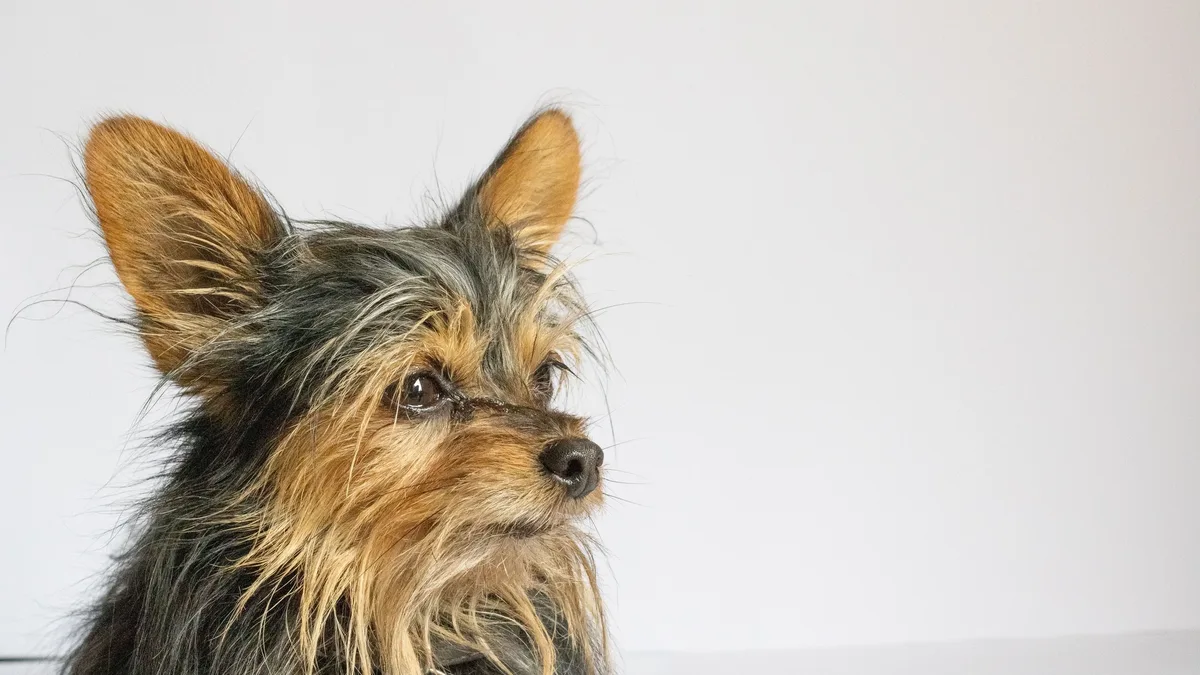
Smaller dog breeds possess larger brains relative to their body size, a trait linked to higher trainability. This finding comes from a study of 1,682 dog skulls representing 172 breeds, which also examined behavioral data from thousands of pet dogs.
Brain Size and Trainability
Researchers measured the endocranial volume of dog skulls to estimate brain size. They then calculated relative brain size using average breed body mass. The results showed a clear pattern. Smaller-bodied dogs consistently had larger relative brain sizes. The study connected this physical trait to behavioral data from the Canine Behavioral Assessment and Research Questionnaire. Breeds with larger relative brain sizes scored higher on measures of trainability.
Dr. Ana M. Balcarcel, who led the research, noted that dogs' relative brain size is at least 20% smaller than that of the gray wolf. Despite this, some breeds exhibit cognitive skills, like following human gestures, that exceed those of wolves. Her team investigated whether different breed specializations correlated with relative brain size. The data suggests that they do.
Treating Yeast Infections
Yeast infections are a common problem for dogs, often caused by the Malassezia organism. These infections thrive in warm, moist areas like ears, paws, and skin folds. Symptoms include redness, inflammation, a musty odor, and excessive scratching or licking. Dogs with drop ears, such as Cocker Spaniels and Basset Hounds, are particularly prone to ear infections.
Treatment typically begins with topical solutions. Medicated shampoos, mousses, or ear drops are the first choice. For severe or stubborn cases, oral medications may be necessary. Addressing the underlying cause is key for a lasting cure. Common triggers include allergies, endocrine disorders like hypothyroidism, or external parasites.
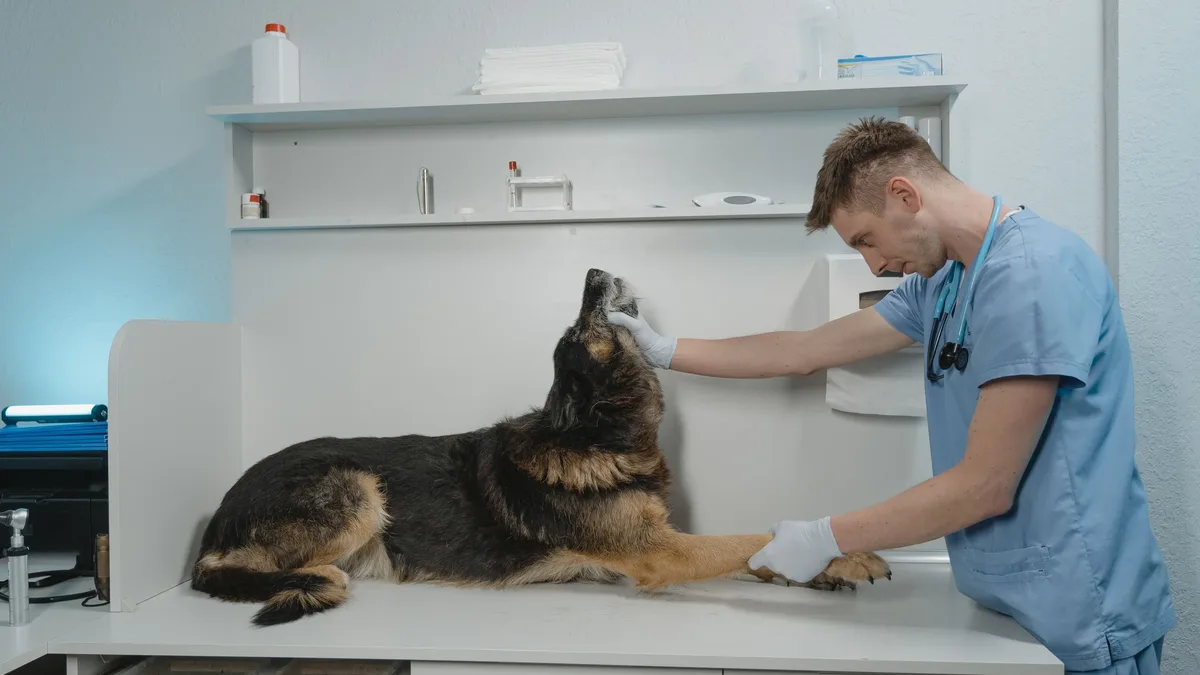
Early-stage infections on paws or skin can sometimes be managed at home. One suggested method is soaking the paws in Epsom salts, drying them thoroughly, and then applying an anti-fungal foot powder. Such powders are designed to be anti-inflammatory and discourage licking. A veterinarian can diagnose a yeast infection by examining a sample under a microscope. Dietary changes, including new protein sources or canine probiotics, may also be recommended as part of a comprehensive treatment plan.