Rescued Dogs Show Remarkable Physical and Emotional
A Portuguese animal rescue organization shares before-and-after stories of severely neglected dogs, highlighting their journeys from starvation and injury
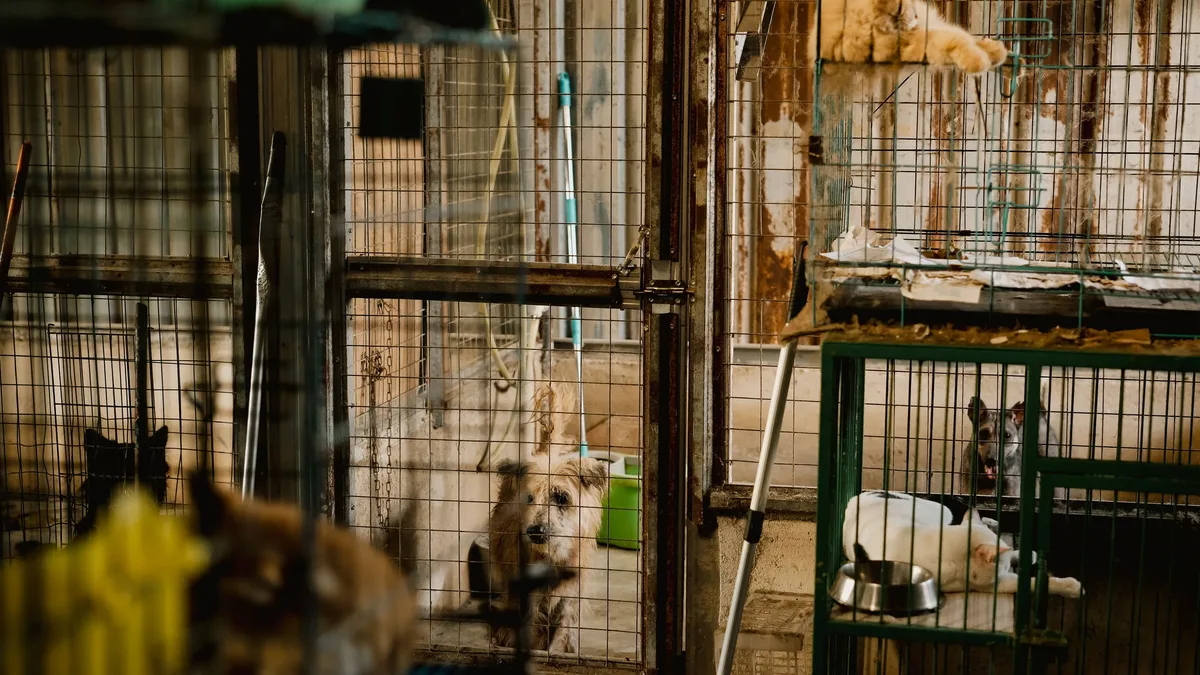
A dog's life can change dramatically with rescue and care. The Núcleo de Intervenção e Resgate Animal (IRA) in Portugal has shared the stories of several dogs who underwent profound physical and emotional transformations after being saved from neglect.
Each case involved distinct challenges. Some dogs required urgent medical intervention, while others needed time, nutrition, and safety to learn to trust again. Several have now been adopted into permanent homes.
Severe Neglect and Remarkable Recovery
For some dogs, their emaciated bodies were the most visible sign of their suffering. Recovery from such severe neglect involves carefully managed nutrition and veterinary oversight, not only food.
Nikita was extremely thin when rescued in Porto. She climbed onto a balcony railing to get help, an act that led rescuers to her and two other dogs living in terrible conditions. All three received controlled nutrition and veterinary care.
Bolinha's story highlights how quickly a body can begin to heal. He gained seven kilograms in just 11 days after his rescue. For a severely undernourished animal, however, safe rehabilitation focuses on restoring overall health with appropriate support.
Emergency Medical Interventions
Some rescues immediately become veterinary crises, requiring swift action to save a life.
Bello, a Galgo (Spanish Greyhound), was found in critical condition with an open abdominal wound and severe weakness. He was taken directly to a hospital during the rescue operation. Emergency surgery was followed by intensive care, medication, and rest for his recovery.
The Foundation of Basic Care
For other dogs, the transformation stemmed from receiving fundamental necessities they had been denied.
Mike's before-and-after story is about basic changes: regular meals instead of hunger, care instead of abandonment, and a comfortable place to rest instead of a cold floor. These elements provide the security a neglected dog needs to move beyond mere survival.
Luna Choné was searching for food in rubbish and was skeletal when rescued. After rehabilitation, she no longer scavenges or runs away in fear. She now seeks human attention and affection, a behavioral shift that signals growing comfort.
Building Trust and Finding Homes
Rescue is only the first step. The ultimate goal is a permanent home where a dog's newfound security can continue.
Bitoque had lived without food, water, a home, or affection. After rescue, he gradually experienced regular meals, walks, play, and gentle human contact, which helped rebuild his trust in the world.
Porto was found chained and severely weakened in Lousada. After his recovery, he celebrated Christmas in a new adoptive home. Pepe, left outside in poor conditions before a rescue involving Portuguese police, was adopted by a family specifically seeking an older dog. He now enjoys swimming and relaxing at the beach.
Luna Choné, however, is still waiting for her adoptive family. She has been rehabilitated and is ready for adoption. These stories show that a dog's recovery is measured not only in weight gained, but in regained freedoms: eating without fear, sleeping comfortably, and learning to trust a person or family.