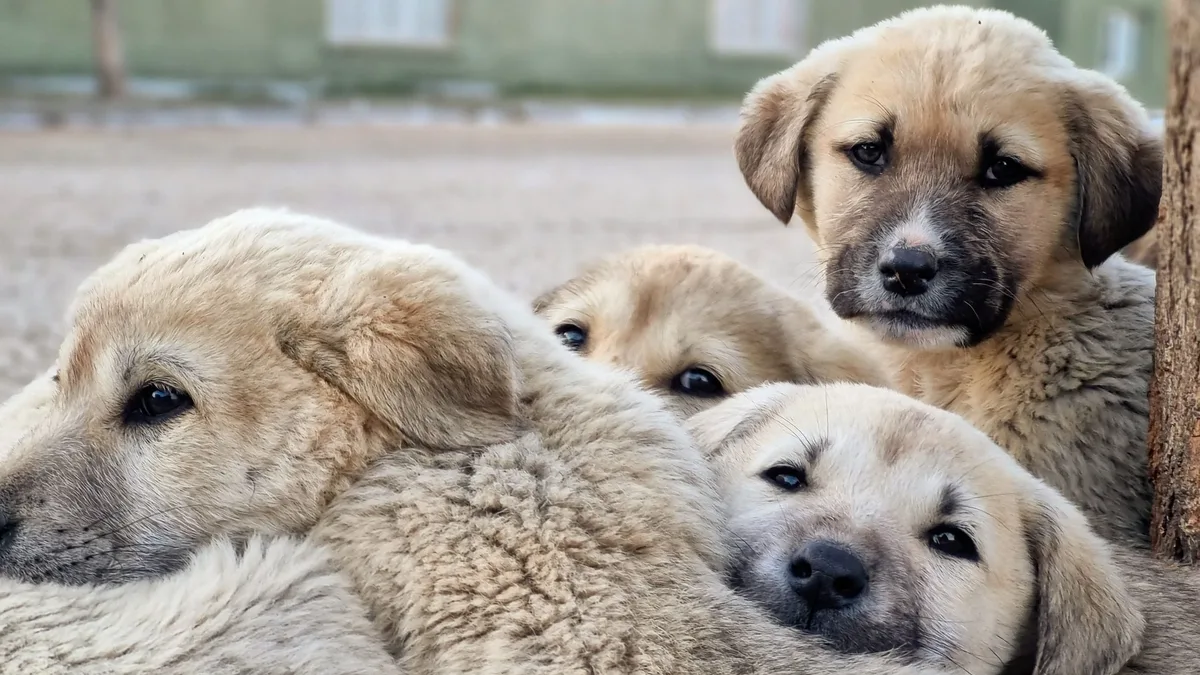
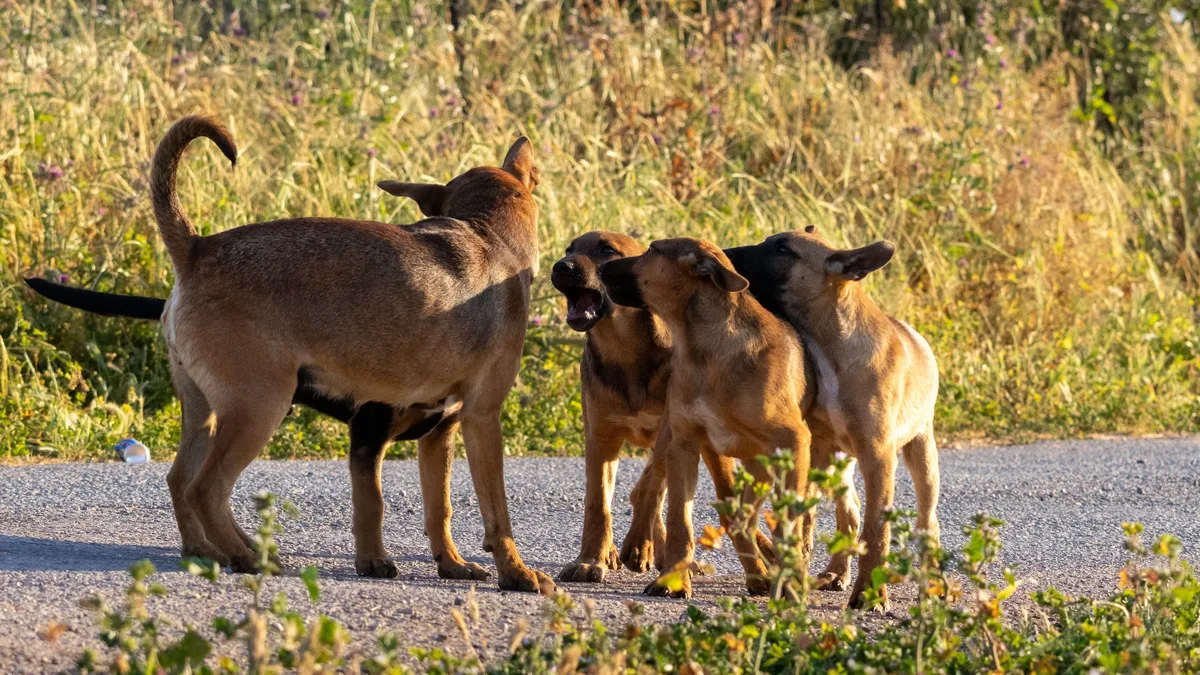
Territorial behavior in dogs is a common and normal canine behavior, but it can become a problem when it poses a risk to people or other animals. Recognizing the signs of territorial behavior and understanding the underlying causes can help dog owners manage and prevent the behavior.
What Is Territorial Behavior in Dogs? Territorial behavior in dogs is the instinct to patrol and protect a defined space against perceived intruders or warn others of their presence. This behavior is a remnant of a dog's wild ancestors, who relied on their home territory for survival. While domesticated dogs no longer need to protect their territory for survival, they still retain the instinct to perform territorial behavior. ## Why Do Dogs Become Territorial? Dogs become territorial due to a combination of genetic and environmental factors. Breeds that were developed for guarding, herding, or protection, such as German Shepherds, Rottweilers, and Dobermans, may have a stronger drive to engage in territorial behavior. Additionally, dogs that are not properly socialized during the critical period between three and 12 weeks of age may perceive unfamiliar people or dogs as threats. ## Signs of a Territorial Dog Territorial behavior in dogs occurs on a spectrum, ranging from mild to severe. Recognizing the signs of territorial behavior is crucial in managing and preventing the behavior. At the mild end, dogs may exhibit alert barking, stiffening of the body, and movement towards the perceived threat. As the behavior escalates, dogs may become fixated on the target, leading to sustained barking, fence running, and lunging. ## What Causes Territorial Aggression in Dogs? Territorial aggression in dogs can be influenced by several contributing factors, including genetics, early socialization, prior learning history, and the environment. Breed predisposition, socialization history, reinforcement history, and hormonal influences can all contribute to territorial aggression. ## The Role of Fear and Anxiety Anxiety and chronic stress can also contribute to territorial behavior. Anxious dogs may guard their safe space more intensely as a way of managing their insecurity. Addressing the underlying stress and anxiety is essential in reducing the problem behavior. ## Which Dogs are Most at Risk of Becoming Territorial? Dogs that are most at risk of becoming territorial include those that are not properly socialized, have a strong breed predisposition, and are exposed to repeated and uninterrupted exposure to passing people, dogs, or vehicles. Additionally, dogs that lack adequate physical exercise and mental stimulation may also develop territorial behavior. ## Preventing Territorial Behavior in Dogs Preventing territorial behavior in dogs is easier than curing it. Prioritizing optimal socialization early, teaching a default behavior when visitors arrive, and managing rehearsal can all help prevent territorial behavior. Teaching a "on your bed/mat" cue is a highly effective way to teach a dog calm and relaxed behavior when people approach or visit the home. ## Managing Territorial Behavior and When to Seek Professional Help If you're working with a dog that already has established territorial behavior, it's essential to implement good management and behavior modification practices. This should include desensitization and counter-conditioning to the triggers, environmental management to prevent access to triggers outside of training sessions, structured greeting protocols, and provision of adequate exercise and enrichment. Consult with a trained professional to ensure effectiveness and safety for all. Territorial behavior is a common and normal canine behavior, but it must be addressed when it poses a risk to people or other animals. With the right support, most dogs will improve considerably.