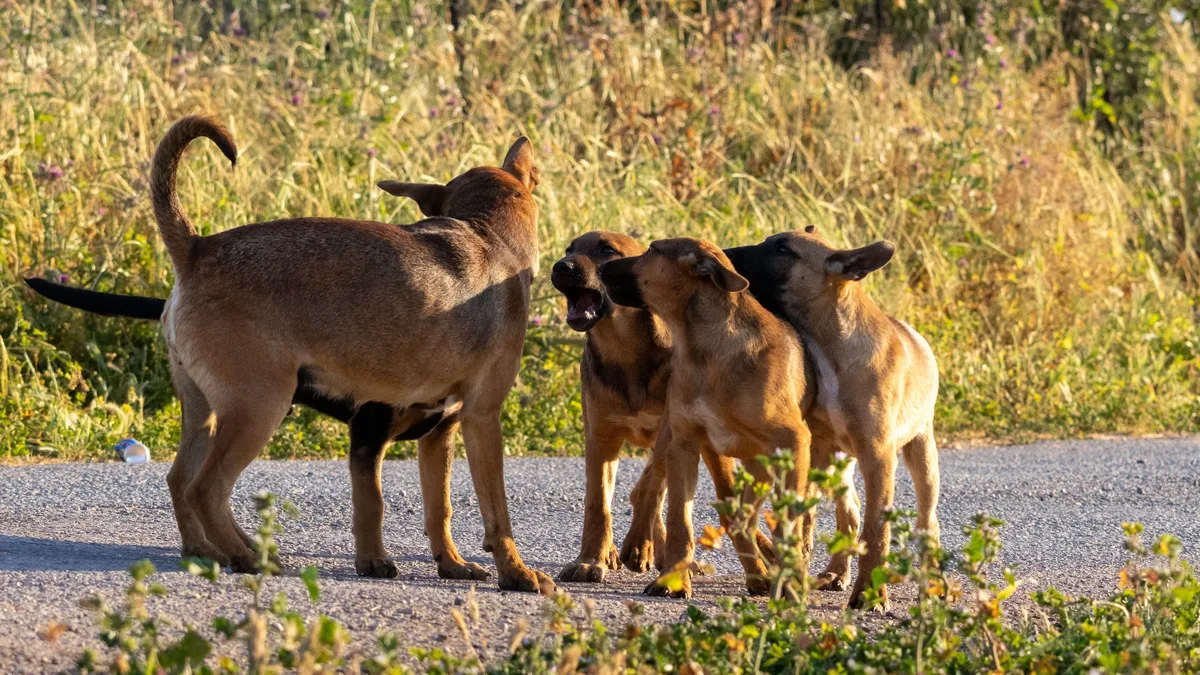
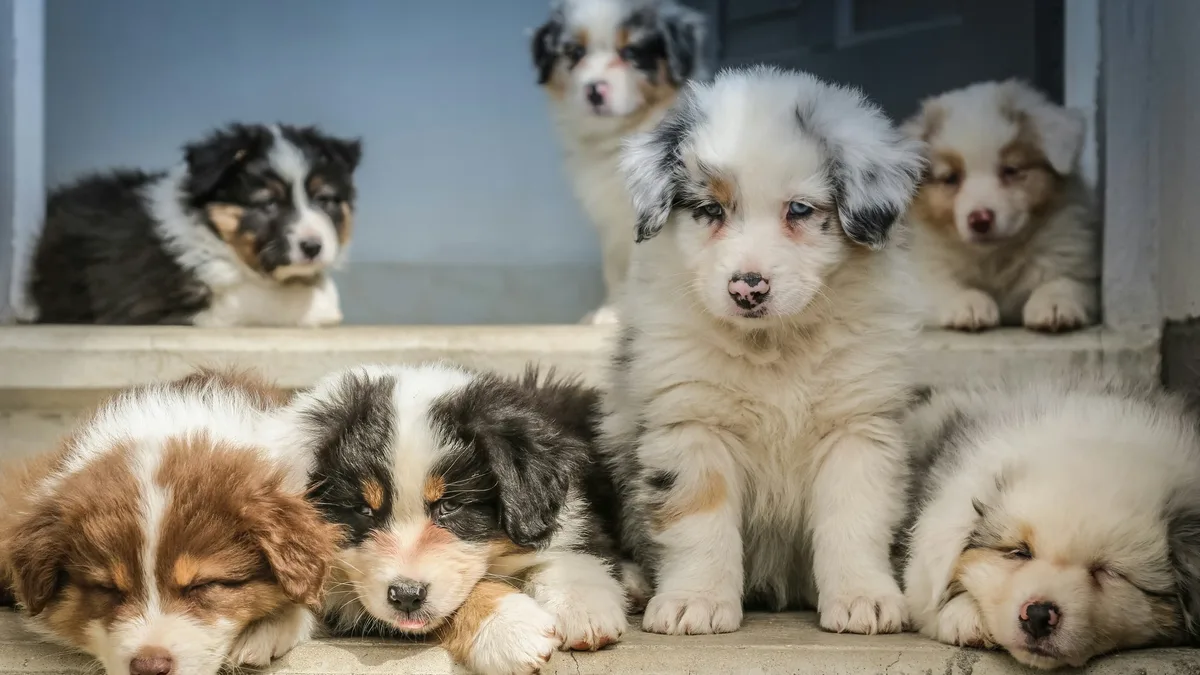
Can Small and Large Dogs Play Together Safely?
While size differences can pose risks, small and large dogs can safely play together with proper supervision and precautions. Key factors include temperament, play styles, and environmental safety.
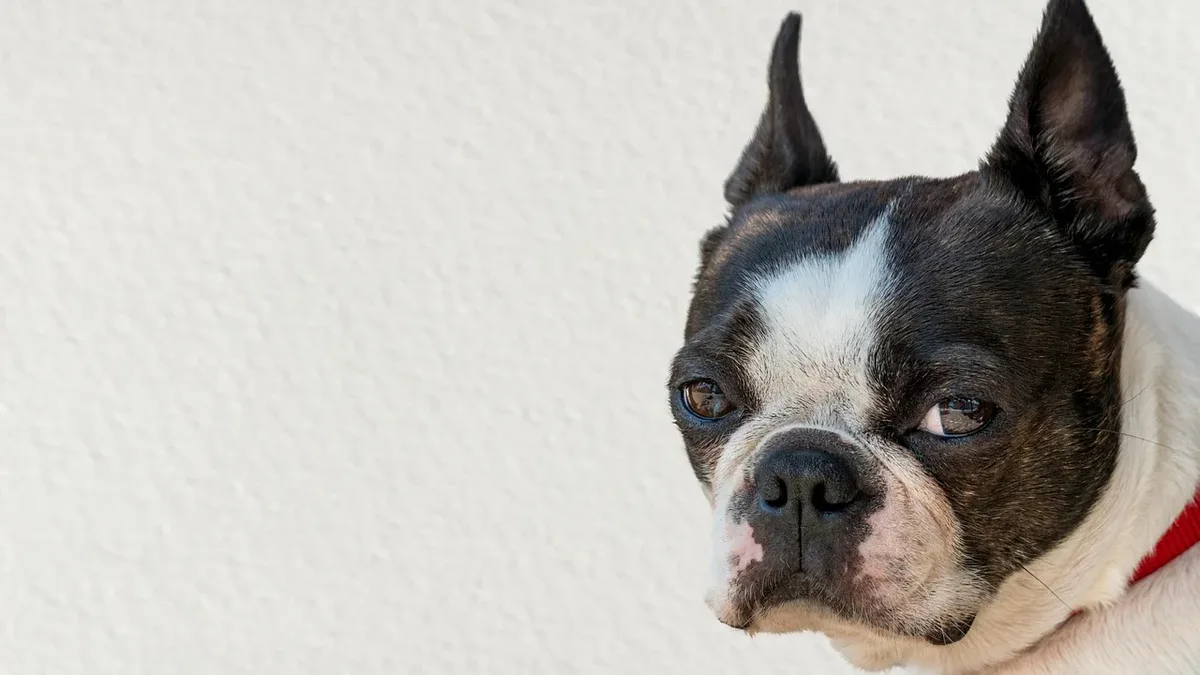
Small and large dogs can play together safely, but size differences require careful attention. With the right precautions, dogs of different sizes can enjoy each other’s company, provided they have compatible temperaments and play styles. Supervision is crucial, especially when dogs are still getting to know one another or when toys are involved.
Planning Successful Playdates
Playdates between large and small dogs come with risks due to size disparities. Even gentle play can lead to accidental injuries, particularly when there’s a significant size difference. Before arranging a playdate, ensure both dogs are vaccinated, well-trained, and have matching temperaments. Always supervise their interactions closely to prevent any issues.
The Importance of Supervision
Small dogs often receive less training than larger breeds, which can make them less confident around bigger dogs. Supervision is key to ensuring safe play. Watch for signs of stress, such as tense body language or attempts to escape, and intervene if necessary. If you can’t supervise, separate the dogs using gates or crates to avoid rough play or injuries.
Look Out for Choking Hazards
Toys can be a fun part of play, but they also pose risks. Small toys meant for little dogs can become choking hazards for larger breeds. When dogs of different sizes play together, use larger toys to ensure safety. If a large dog is visiting, remove small toys to prevent accidents.
Understanding Playtime Behaviors
Play is essential for all dogs, regardless of size. Well-socialized dogs with compatible temperaments can benefit from playing together. Watch their body language closely-loose, relaxed movements indicate happy play, while tense postures or pinned ears signal stress. Play should be reciprocal, with both dogs taking turns in activities like chasing.
Preventing Overexcitement
Playtime can become chaotic, so monitor both dogs for signs of overstimulation. Neither dog should bully the other, regardless of size. Remove high-value items like favorite toys to avoid resource guarding, which can escalate into conflicts. Regular breaks help prevent overarousal and allow you to assess their comfort levels.
When to Redirect Dogs’ Focus
Dogs should be able to disengage from play and refocus on their owners. Interrupt play sessions periodically to check in with each dog. Use treats cautiously to redirect attention, but avoid food if either dog has a history of resource guarding. If either dog shows signs of stress, end playtime to prevent escalation.