Chihuahua DNA Reveals Ancient Coyote Ancestry
A genetic study finds shared DNA segments between Chihuahuas and coyotes, pointing to ancient interbreeding in the Americas long before modern breed
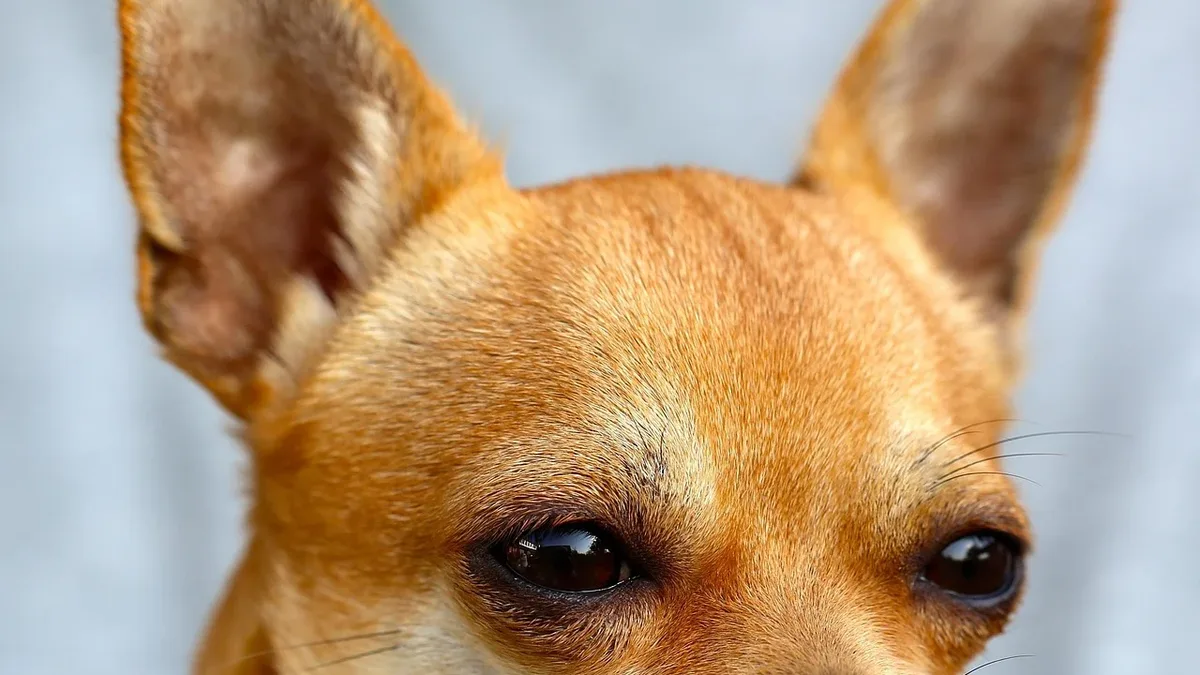
A new genetic study has discovered shared DNA segments between Chihuahuas and coyotes. The research, reported in Nature Communications, reveals an ancient genetic connection in the ancestry of one of the world's smallest dog breeds.
Scientists used specialized software called Gnomix to analyze whole genome sequences from canids. By examining hundreds of dog genomes, they identified genomic segments in a Chihuahua classified as having coyote ancestry. This provides evidence of ancient genetic introgression between coyotes and dogs in the Americas.
The Broader Canine History of the Americas
The finding fits into a larger narrative about dogs in the New World. Indigenous communities lived alongside their own dog populations long before European dogs became widespread. Previous evidence has suggested coyotes and dogs were sometimes crossbred in pre-Columbian cultures. The new analysis detected these shared genomic segments in the Chihuahua, a breed strongly associated with Mexico and the Americas.
Researchers also examined the Xoloitzcuintli, or Xolo, another ancient Mexican breed. The software identified Arctic ancestry segments accounting for approximately 4.03 percent of the Xolo genome studied. Because ancient Native American dogs share genetic similarities with Arctic breeds, researchers believe these segments may represent ancestry inherited from pre-Columbian dogs.
For the Xolo, researchers estimated that the European and pre-Columbian dog ancestry they detected mixed roughly 306 years ago. They calculated an estimated date around 1703, though this applies specifically to the ancestry pattern studied in that breed.
Unanswered Questions and Breed Traits
The research provides evidence of coyote-related ancestry in Chihuahuas but does not establish exactly when or why that genetic exchange occurred. Whether humans deliberately crossed dogs and coyotes in every instance, or whether some breeding happened naturally, cannot be determined from the genomic evidence alone. This uncertainty makes the Chihuahua's story more intriguing.
Some might connect the breed's oversized ears, expressive vocalizations, and confident personality to a wild ancestor. Chihuahuas often behave as though they are much larger than they are. However, genetics does not yet show that these specific behaviors came from coyotes.
The Chihuahua's miniature size has a different explanation. Its small stature is much more likely to reflect generations of selective breeding rather than its ancient connection to wild canids. What the research reveals is deeper than an explanation for personality quirks. Hidden within the genome of this tiny companion are traces of a much older canine history, shaped by dogs, people, and wild canids living across the Americas.