Coffee Poses Serious Health Risk to Dogs
Coffee, coffee drinks, and especially coffee grounds are dangerous for dogs due to caffeine toxicity, with symptoms appearing within an hour.
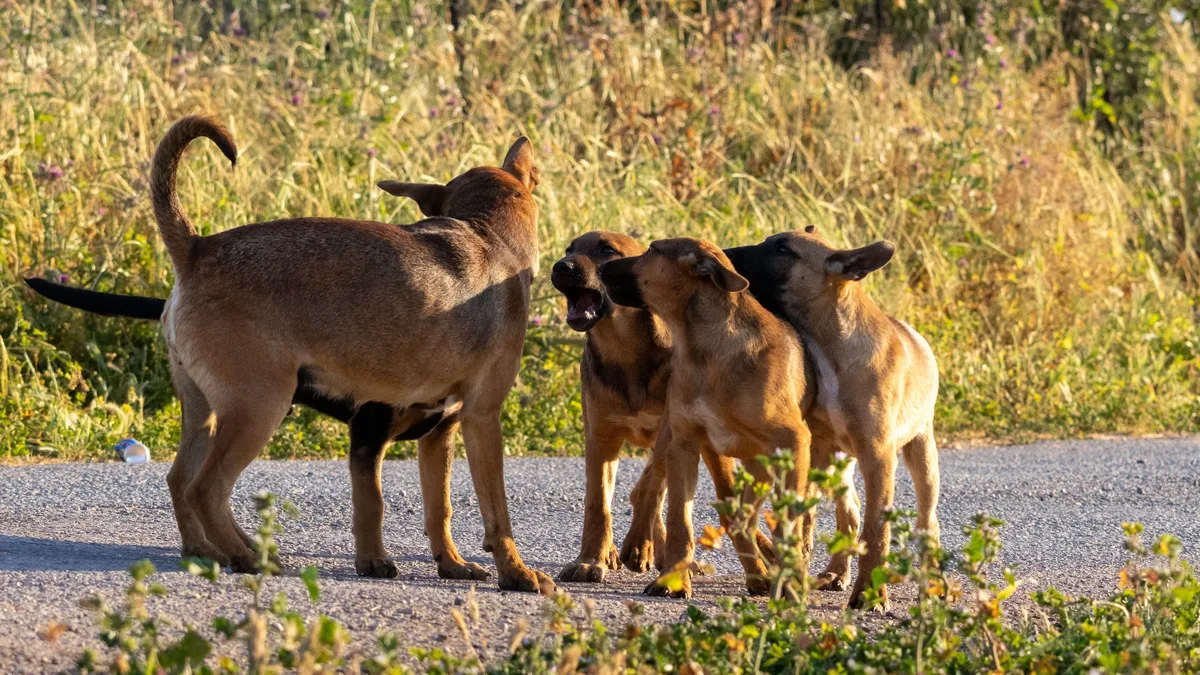
Coffee is a serious health hazard for dogs. The Whole Dog Journal warns that caffeine, present in both regular and decaffeinated coffee, can cause severe complications and even death in canines.
Dogs are naturally opportunistic and may drink from spills, unattended cups, or get into open garbage cans. This behavior becomes dangerous with coffee and coffee drinks like cold brews and blended drinks. Dogs are more sensitive to caffeine than humans, so even small amounts can make them very sick. Decaffeinated coffee is not safe either, as the process does not remove all caffeine. Espresso can be an even bigger risk due to its concentrated caffeine content. Sweet, milky coffee drinks like lattes are especially inviting to dogs but are just as risky because of the added sugar and dairy.
Decaf Coffee Is Not Safe for Dogs
Decaffeination removes most, but not all, caffeine. The small quantity that remains can still affect small or sensitive dogs. While a few licks from a spilled mug may not harm a large dog, small dogs should be watched closely for signs of caffeine toxicity.
Symptoms of caffeine poisoning, or signs of caffeine toxicity, typically show within 30 to 60 minutes of consumption. They include restlessness, agitation, panting, vomiting, an elevated heart rate, abnormal heart rhythms, and a high body temperature.
Coffee Grounds Are Dangerous to Dogs
Coffee beans and grounds are more concerning than the liquid beverage. They contain a higher concentration of caffeine and pose a serious risk for caffeine poisoning. Caffeine can cause death in dogs, but the lethal dose depends on the dog's size. If a dog consumes grounds or beans, owners should call their veterinarian or an emergency vet clinic immediately, tell them you are on your way with the dog, and head there.
A veterinarian may induce vomiting to remove the coffee before the caffeine is absorbed. Other treatments can include fluids, medications to manage symptoms of caffeine toxicity, and activated charcoal. The charcoal uses the process of adsorption to help caffeine pass through the digestive tract without being absorbed.
Keep Your Dog Away From Coffee
The best defense is prevention. Keep all caffeinated products like coffee beans, grounds, chocolate-covered coffee beans, caffeinated teas, and caffeine pills securely out of a dog's reach. Freshly brewed hot drinks should be placed in a safe location where they cannot be knocked over or sampled. Used coffee grounds must be disposed of in a secure trash can or, if composted, in a compost pile the dog cannot access.
While coffee is a human staple, it is dangerous for pets due to its caffeine content. Even small amounts are risky for small dogs, and coffee grounds and beans constitute an emergency if ingested. If a dog consumes any caffeinated product, contact a veterinarian or the Pet Poison Helpline at (855) 764-7661, where a charge may apply.