High Blood Pressure in Dogs Can Damage Vision and Organs
High blood pressure in dogs can cause vision problems and organ damage if left untreated.
Dogs with high blood pressure, also known as systemic hypertension, can develop vision problems, neurological issues, and organ damage if left untreated. According to the American Kennel Club, regular veterinary visits can help catch health issues early, including high blood pressure in dogs.
## High blood pressure in dogs occurs when the blood pressure in their arteries is abnormally high, which can be measured in millimeters of mercury. Normal blood pressure in dogs is below 150 mmHg, while readings above 180mmHg significantly increase the risk of organ damage.
## The causes of high blood pressure in dogs can be primary or secondary, with secondary hypertension being more common. Secondary hypertension is often caused by underlying conditions such as chronic kidney disease, Cushing's disease, diabetes, and certain medications. Dr. Megan McClosky, DVM, explains that systemic hypertension can be caused by endocrine or kidney conditions, while pulmonary hypertension is caused by respiratory or cardiac conditions.
## The signs and symptoms of high blood pressure in dogs can be vague and may not appear until significant organ damage has occurred. According to Dr. Charles Mintzer, medical director at All Pets Medical and Surgical Center, routine screening is important, especially for senior dogs or those with known risk factors. The symptoms of high blood pressure in dogs can include restlessness, agitation, increased thirst and urination, and in severe cases, blindness or neurologic signs like a stroke.
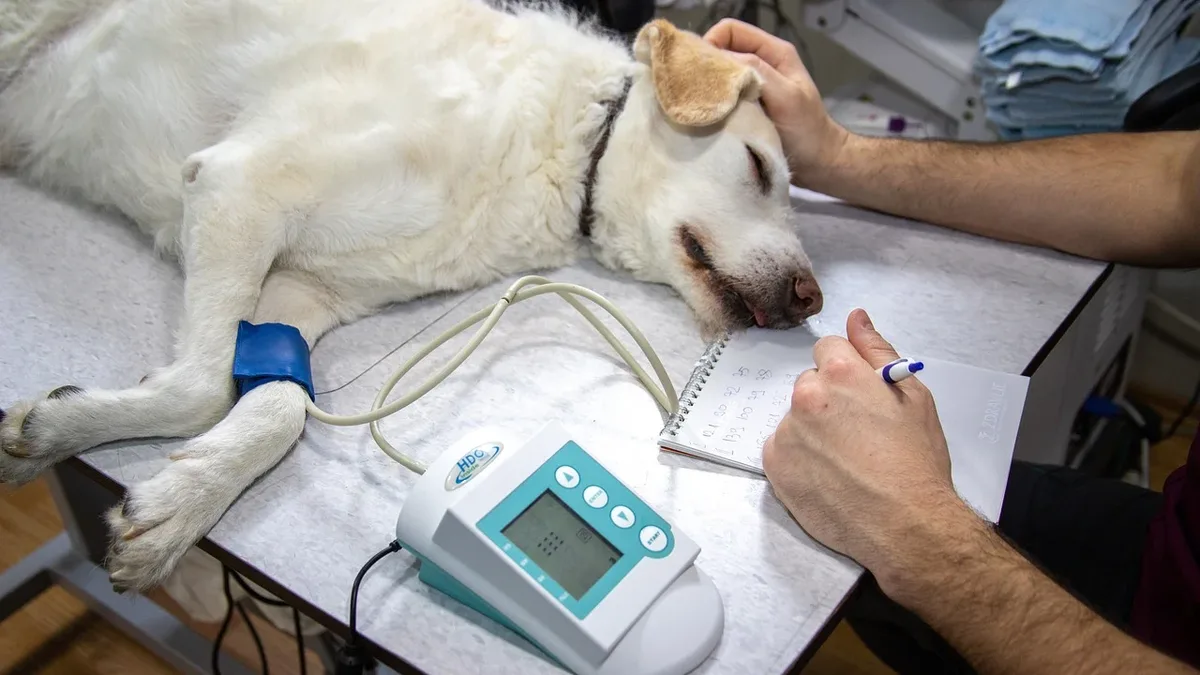
## Diagnosing high blood pressure in dogs typically involves measuring blood pressure using an inflatable cuff and a sensitive ultrasound probe. Treatment for high blood pressure in dogs usually involves addressing the underlying cause and may include blood pressure-lowering medications, lower-salt diets, and weight management. Regular monitoring is necessary to control blood pressure and prevent further progression of the disease. For more information on dog health, visit our stats page or consult with a veterinarian.
The prognosis for dogs with high blood pressure depends on the severity of the condition and the effectiveness of treatment. With proper management and monitoring, many dogs can live for years with high blood pressure. As Dr. McClosky notes, early identification and treatment of hypertension can significantly improve a dog's outlook, and regular check-ups with a veterinarian are crucial to maintaining a dog's long-term health, which can be tracked on our injuries page.