How to Introduce Dogs Successfully
A step-by-step guide from Whole Dog Journal details how to introduce two dogs properly to prevent conflict and build a positive relationship, emphasizing
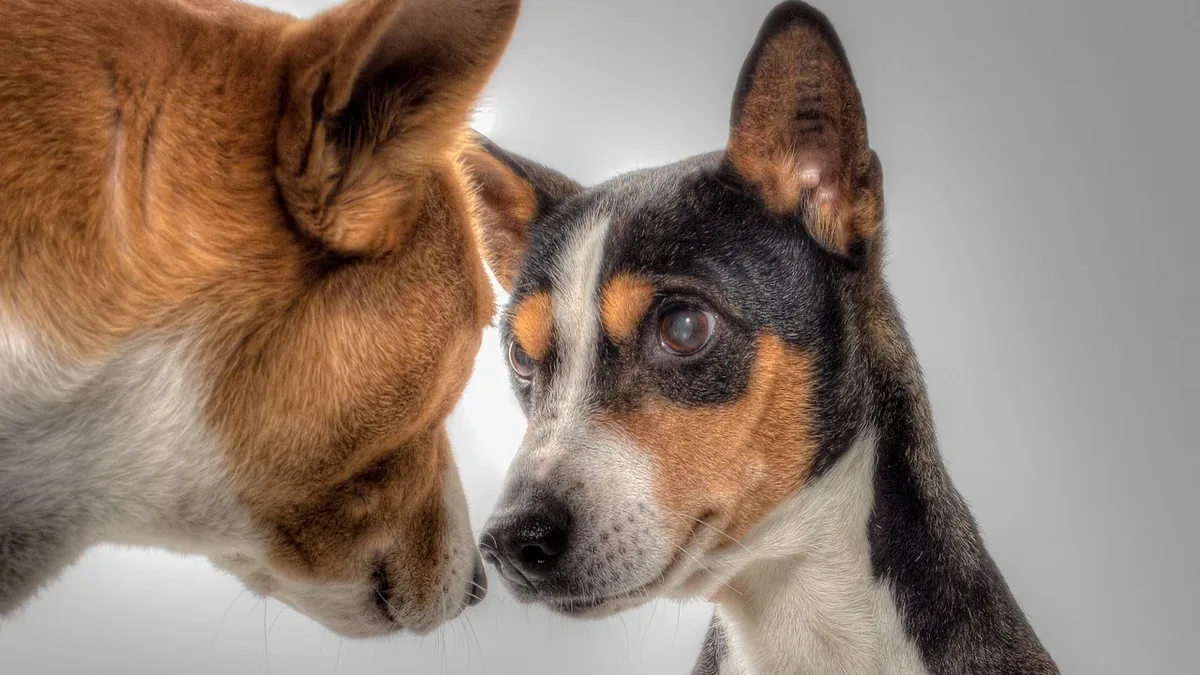
Introducing a new dog to another is a critical process that hinges on the first few minutes. A rushed or poorly managed introduction can create lasting negative associations, while a careful, step-by-step approach sets the foundation for a successful canine friendship.
Dog introductions often fail not because the dogs are incompatible, but because the conditions are wrong. Common mistakes include too much pressure, insufficient space, the wrong location, or incorrect leash handling. The publication states that with the right knowledge, owners can orchestrate a positive first meeting.
Why Careful Introductions Matter
Dogs form rapid associations. A first meeting involving fear, anxiety, or conflict can establish a negative emotional response that influences all future interactions. Building a positive relationship from a good or neutral first impression is far easier than repairing one that started badly. The goal is not immediate play but ending the first meeting with both dogs calm, happy, and a little curious.
Preparing for the First Meeting
Success begins long before the dogs see each other. Owners should choose a neutral territory, exercise both dogs beforehand to lower energy, and remove high-value resources like toys or food. It is also key to have one calm and confident handler per dog.
A Step-by-Step Introduction Process
The report outlines a multi-step process for a safe introduction.
**Step One: The Parallel Walk**
Avoid a direct face-to-face greeting, which can escalate quickly. Instead, begin with a parallel walk. With both dogs on loose leashes, handlers walk in the same direction, starting at a distance of about 10 meters (30 feet) or more. They should walk for several minutes, gradually reducing the distance only as the dogs show calm and relaxed body language. This allows the dogs to become comfortable without the pressure of direct interaction. Handlers should avoid tightening the leash, as this can increase tension.
**Step Two: Reading Body Language**
Observing the dogs' signals is vital. Signs that the introduction is going well include a loose, wiggly body posture, soft blinking eyes, a low sweeping tail wag, brief mutual sniffing followed by disengagement, play bows, and the dogs being able to look away and check in with their handlers.
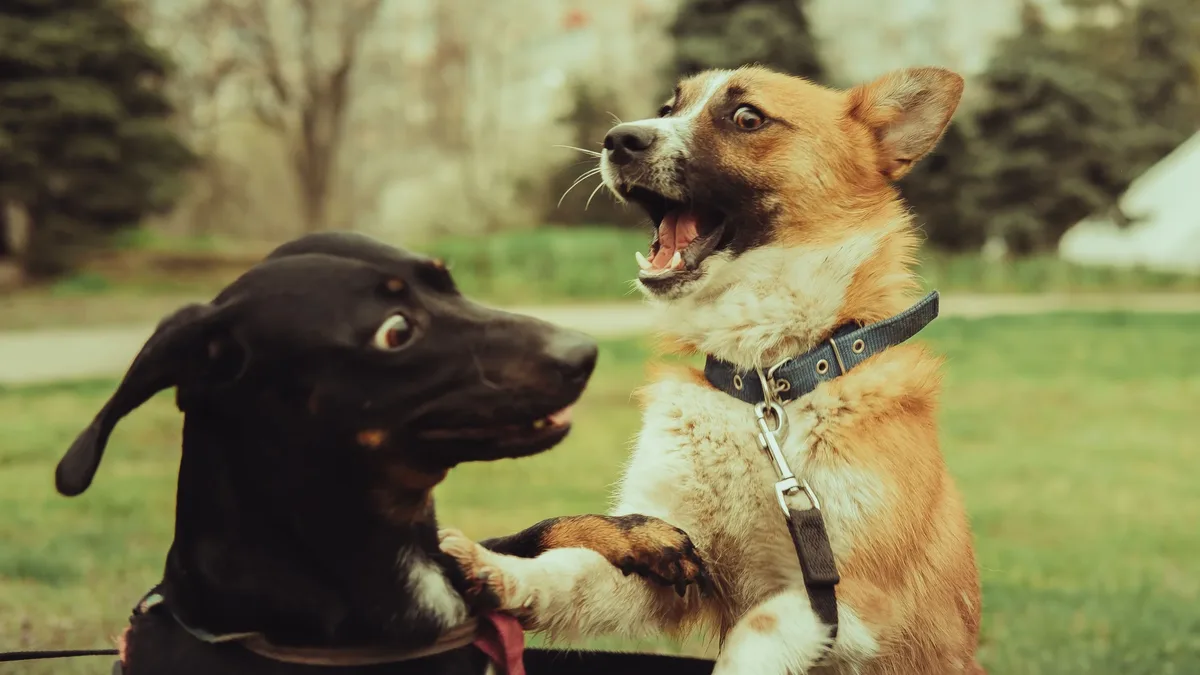
Signs that require increasing distance or stopping the interaction include a stiff, rigid posture with weight leaning forward, a hard sustained stare, raised hackles, a tail held high and stiff with a fast wag, lip curling or growling, one dog standing over or pinning the other, and an inability to disengage.
The source cites research on calming signals, noting that behaviors like head turning, nose licking, freezing, and crouching are de-escalation signals dogs use to communicate non-threatening intent. Seeing these signals indicates social pressure, and handlers should increase distance and slow down.
**Step Three: Allowing Closer Contact**
After successful parallel walking with relaxed body language, handlers can allow a brief, three-to-five-second sniff. They should then call the dogs back and reward them. Repeating this interrupt-and-reward pattern prevents arousal from tipping into conflict and builds positive associations. Dogs should approach each other at an arc, not head-on, to reduce intensity.
If an Introduction Goes Wrong
If a dog shows stress, anxiety, reactivity, or aggression, handlers should separate them calmly and increase the distance. They can try the steps again if both dogs remain calm. If heightened behavior continues, it is best to end the session, let the dogs decompress, and try another day with more distance and shorter interactions. The report states that repeated, calm exposure is more productive than a single long, bad one.
Managing the Early Days at Home
A good first meeting does not mean dogs can be left unsupervised. The home introduces new variables like territory and resources. Owners must manage resources carefully, feeding dogs separately and removing high-value items. Each dog needs its own space to retreat to, and all interactions must be supervised until a pattern of calm co-existence is well-established, which can take weeks or months. Owners should watch for tension, as social dynamics can change after the initial novelty wears off.
Introducing a new dog is a process, not a single event. With a slow, steady approach on neutral ground, most dogs will be amicable within a few sessions, though some take longer. The relationship must be built on a foundation of calm and positive associations.