Denali's Working Sled Dogs Face Staffing Cuts
Funding for three kennel staff positions at Denali National Park has been blocked, threatening the care and operational future of its historic sled dog
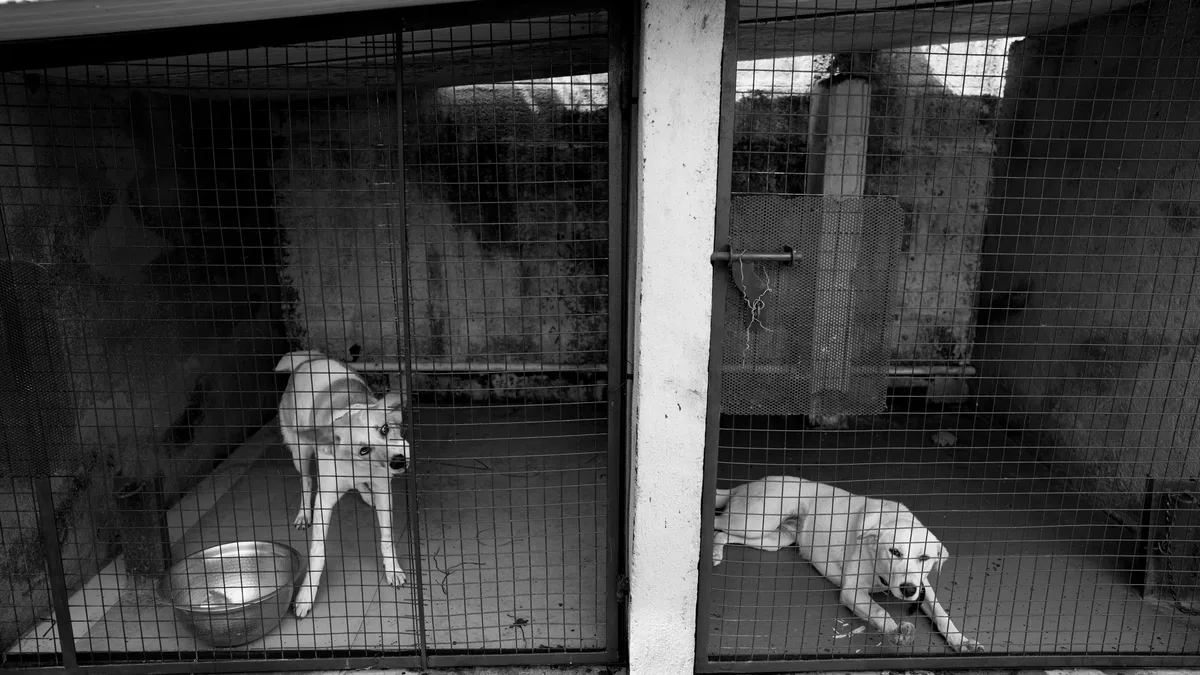
The Trump administration has blocked funding for three jobs dedicated to the day-to-day care of working sled dogs at Denali National Park and Preserve. This cut is part of a broader rejection of over 130 National Park Service partnership agreements worth at least $25 million.
While visitors often see the dogs as a charming attraction, they are vital working animals for the park. Denali generally keeps about 30 dogs divided into three teams. Rangers rely on these teams for winter backcountry patrols, maintaining trails, assisting visitors, and hauling equipment for park projects and researchers.
A Century-Old Working Tradition
Former park superintendent Paul Anderson emphasized the program's authenticity. "It's not fake, artificial. It's not pretend," Anderson told SFGATE. "It's not, 'Oh, this is the way it once was.' It's the real deal." The kennel has operated for nearly a century, with dogs providing essential transportation in the park's central wilderness where motorized vehicles are banned.
Anderson, who made annual 90-mile trips with the dog teams, said the kennel could technically continue without the three positions. However, he warned the loss would reduce dog-care capacity, winter patrol readiness, and visitor engagement.
The Specialized Cycle of Care
Maintaining the kennel is a complex, continuous cycle far beyond basic care. The program breeds about one litter each spring or summer to replace retiring dogs, selecting for traits suited to harsh conditions. Dogs typically work for eight or nine years before retiring to active homes in cold climates.
This means the program involves raising puppies, training young dogs, maintaining experienced teams, and finding retirement homes. All this must happen while keeping enough dogs ready for winter patrols. The proposed staffing loss threatens this entire pipeline.
Experts Warn of Program Collapse
John Gaedeke, who has run sled teams for decades at his Iniakuk Lake Wilderness Lodge, said the cuts are deeply concerning. He stressed that sled dogs require specialized care from experienced handlers. You can't just have somebody come up without any experience and take care of these dogs, Gaedeke said. You're relying on them for transportation, often when you're putting your life on the line.
He argued the program cannot be paused during a funding shortfall and restarted later. Dogs continue to age, puppies need training, and expertise must be maintained. There's a very good chance that that would destroy the program completely, Gaedeke said of losing the three positions. It's not like you can flip a switch on this stuff.
The Interior Department said the rejected agreements did not align with the administration's priorities but did not explain individual rejections. The National Park Service did not respond to questions about how the cuts might affect the kennel's future. Anderson worries the cuts signal the program is being deprioritized, which could lead to its demise.