Dog Dental Cleanings Need Anesthesia
Veterinarians state sedation is a safe and necessary part of professional dental cleanings for dogs, allowing for thorough cleaning below the gumline and
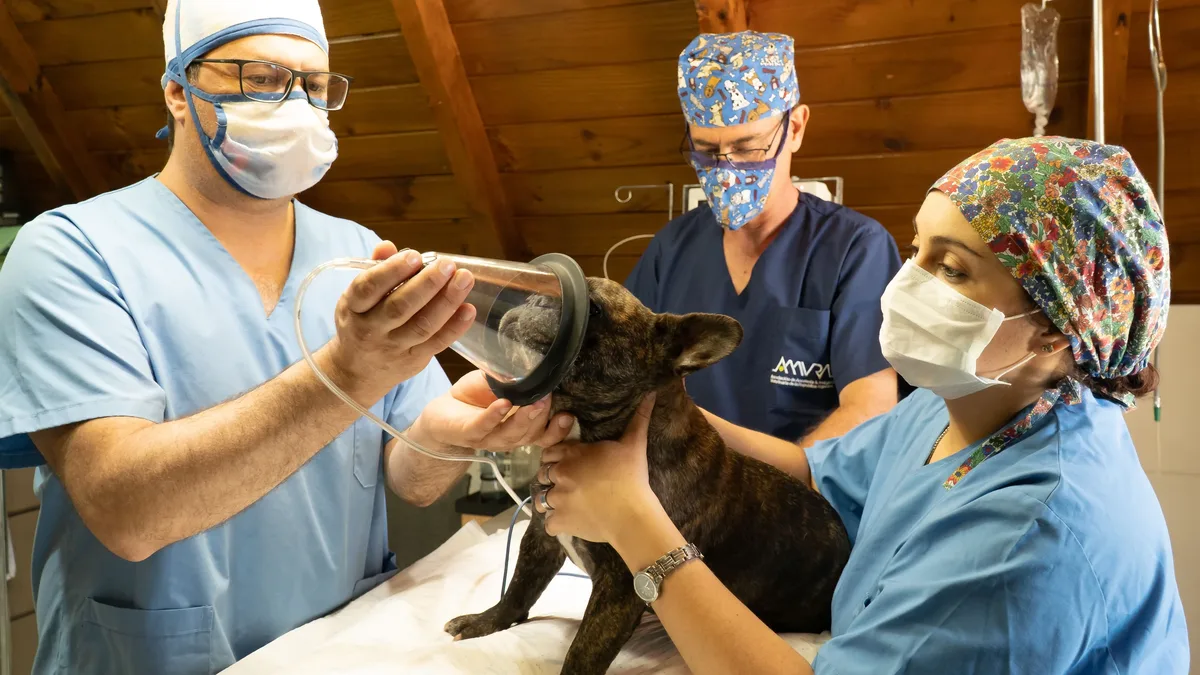
The word "anesthesia" can make any dog owner hesitate before a professional teeth cleaning. For most dogs, however, veterinarians consider sedation a safe and crucial component of proper dental care. The veterinary team assesses a dog's health beforehand and monitors vital signs throughout the procedure, aiming for safety and comfort while enabling a complete oral examination.
Why Sedation is Necessary for a Proper Cleaning
Home brushing is vital but cannot replace professional cleaning. A toothbrush cannot reach below the gumline, where hidden dental disease causes damage. A professional cleaning allows a vet to remove buildup above and below the gums and closely examine teeth and tissues. Doing this on a conscious dog is neither practical nor safe. Most dogs will not sit still for sharp instruments, and clear dental x-rays require an anesthetized patient.
Being put under prevents fear and stress. Most importantly, it allows for safe tooth extraction with appropriate pain control if needed. As the source states, this medical necessity "is what allows the veterinary team to actually treat dental disease rather than simply make the teeth look cleaner."
Understanding the Risks of Being Put Under
Sedation is never completely without risk. Dogs can experience drooling, vomiting, grogginess, a drop in body temperature, and changes in heart function. Serious complications like cardiac arrest, stroke, or death are possible but rare. Modern drugs and monitoring have reduced risks, which rarely outweigh the benefits. The risk is generally higher for dogs with underlying health problems, which is why a pre-anesthetic exam is standard.
How Veterinarians Enhance Safety
The safety process begins with a physical examination. The veterinarian may listen to the heart and lungs, examine the mouth, and look for anything that could affect the safety of the procedure. For older dogs or those with conditions like diabetes, kidney disease, or Cushing's disease, vets may recommend bloodwork and a urinalysis. Additional tests like chest X-rays or an ECG may also be appropriate. During the procedure, staff closely monitor vital signs and can adjust medications. Dogs wake up under supervision and are not sent home until stable.
Owners can help by maintaining routine vet visits, a healthy weight, and informing the vet about any medications.
Recovery After the Procedure
Dogs often remain groggy and uncoordinated after being sedated. Appetite may be reduced. Vets provide instructions for the first day or two regarding food, water, and activity, which are especially important if a tooth was extracted. Owners should contact the clinic if unusual effects persist beyond the expected recovery period.
The Problem with Cleanings Without Sedation
Cleanings without being put under might sound appealing but do not provide equivalent care. A dog cannot be kept completely still, and cleaning cannot properly address disease below the gumline. Teeth may look cleaner, but underlying problems go untreated. These services are often cheaper, but the results are superficial. They could delay treatment for infections or even damage teeth.
For a thorough cleaning, sedation remains the standard. It allows for safe, proper examination and treatment. While the idea can be scary, with appropriate screening and monitoring, it is a reliable part of treating canine dental disease.