Building a Lasting Connection with Your New Dog
Creating a strong bond with your dog requires time, attention, and understanding of their preferences and needs.
When it comes to building a lasting connection with your new dog, many owners wonder what makes a bond truly special. Some claim to have felt an instant connection with their puppy from the moment they met, while others have reported feeling like their dog wasn't interested in them at all.
The key to forming a strong bond with your dog lies in understanding the concept of bonding itself. Bonding involves forming a close relationship with another person or animal, typically through shared interests, experiences, and reinforcers. In the case of dogs, this can be achieved by delivering reinforcers and making yourself a reinforcing presence for the dog.
Quality Time
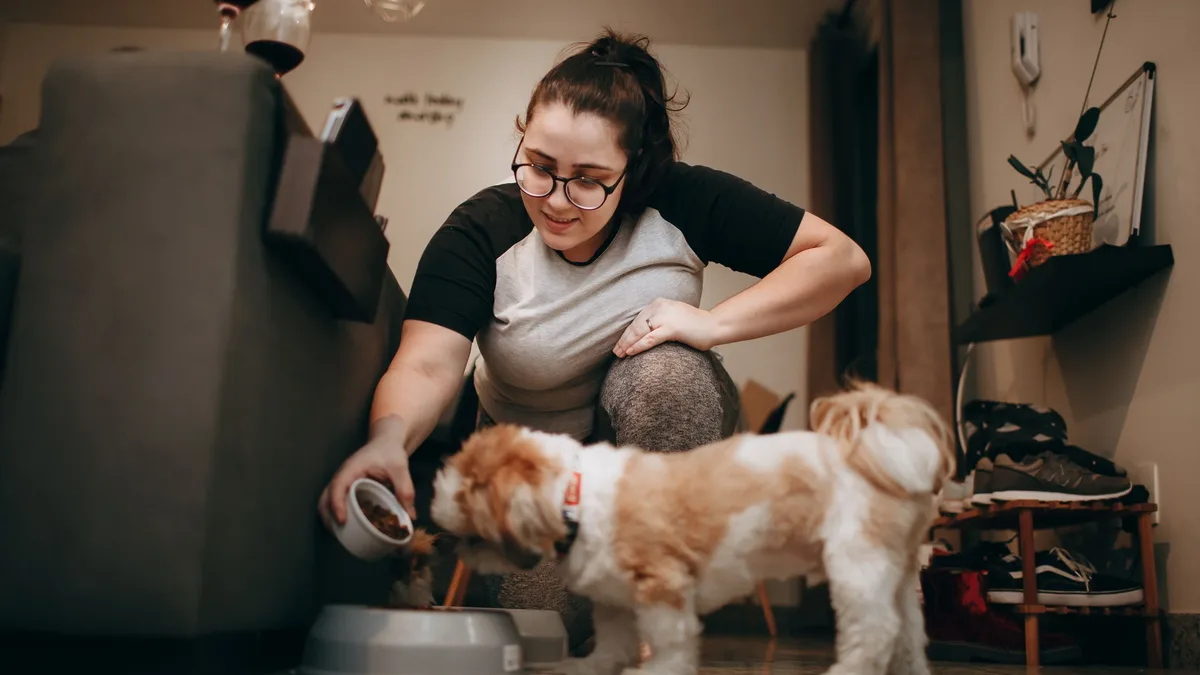
Spending quality time with your dog is essential in building a strong bond. This means devoting time and attention to your dog every day, rather than just once a week. Engaging in activities that your dog enjoys, such as going for walks, playing fetch, or hiking, can help create a sense of connection and shared experience.
Young puppies often enjoy being held and playing games, while older dogs may prefer more low-key activities like sitting on the couch or getting a massage. It's essential to tailor your approach to your dog's individual needs and preferences.
The Benefits of Training
Training is another crucial aspect of building a strong bond with your dog. Positive reinforcement training, which uses rewards like food, touch, or toys to encourage desired behaviors, can help create a positive association with training sessions. This approach can also help you and your dog communicate more effectively and strengthen your bond.
Avoiding Common Mistakes
When it comes to building a bond with your dog, it's essential to avoid common mistakes that can actually drive your dog away. These include hugging your dog, which many dogs don't enjoy, and rapid, short pats on the head, which can be overwhelming. Instead, try to determine what your dog prefers in terms of tactile stimulation, such as petting or massage.
Another mistake people make is choosing activities that they enjoy without considering their dog's preferences. For example, an older, quiet dog may prefer a low-key activity like sitting on the couch, while a very active dog may prefer exercise and high-energy activities.
To build a stronger bond with your dog, consider seeking the help of an experienced dog trainer or enrolling in programs like AKC S.T.A.R. Puppy and Canine Good Citizen. By understanding your dog's needs and preferences, you can create a lasting connection that will bring joy and companionship to both you and your furry friend.
| Activity | Description |
|---|---|
| Walks | Going for walks in new places |
| Playing fetch | Engaging in fetch with your dog |
| Hiking | Taking your dog on a hike |
| Holding | Holding your puppy |
| Puppy games | Playing games with your puppy |
| Brushing | Brushing or massaging your dog |
| Tug | Playing a game of tug with your dog |