AI Misdiagnosis in Veterinary Diagnostics: A Cause for Concern
A lawsuit filed in Wasco County Court alleges that the Vetscan Imagyst AI platform misdiagnosed a malignant tumor as harmless inflammation, leading to the death of a dog. The case raises questions about the trustworthiness of AI diagnostics in veterinary medicine.
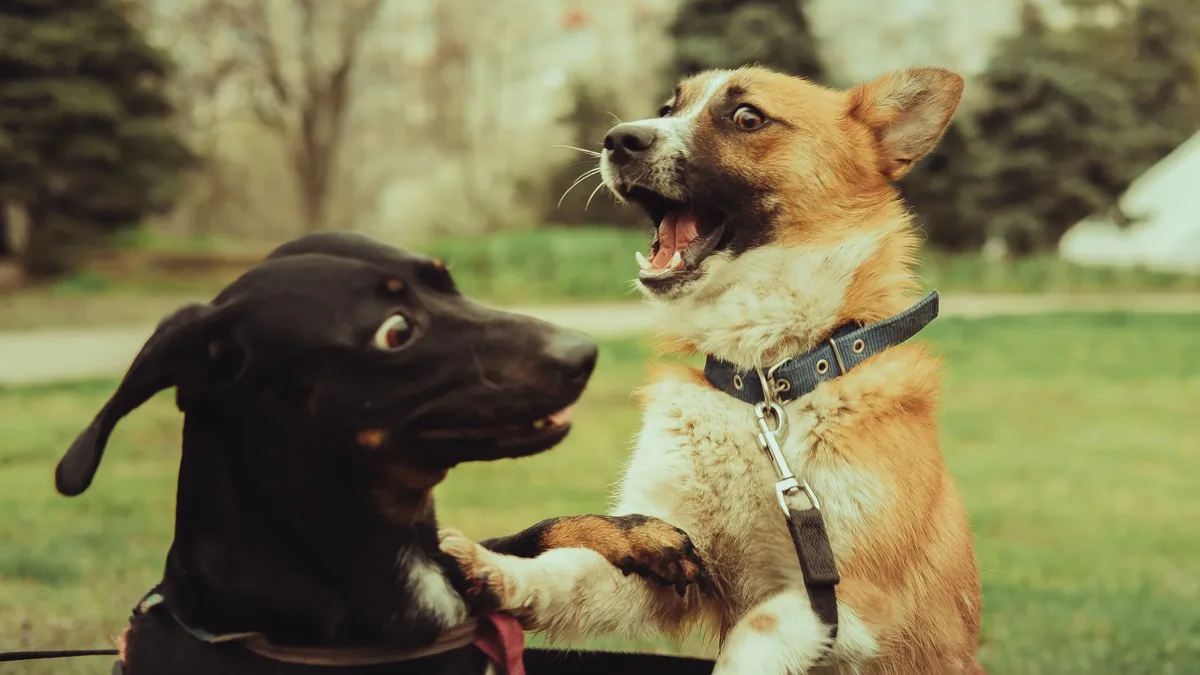
The use of artificial intelligence in veterinary diagnostics is increasing, promising faster and more accurate results. However, a recent lawsuit filed in Wasco County Court highlights the potential risks of relying on AI diagnostics.
A Fatal Misdiagnosis
The case involves a Belgian Tervuren dog that presented with a rapidly growing mass on its neck. Samples were obtained for cytology and run through the Vetscan Imagyst AI platform, which reportedly flagged mast cell and spindle cell features. However, the final classification came back as an inflammatory lesion, not cancer. Trusting this evaluation, the surgical team removed the mass with margins appropriate for benign tissue rather than the wider margins malignancy would call for. A follow-up biopsy at the Oregon State University Veterinary Diagnostic Laboratory revealed that this was an aggressive cancer, and it hadn’t been completely removed.
The lawsuit alleges that the Vetscan Imagyst AI platform misdiagnosed the malignant tumor, leading to the death of the dog. The family is suing Zoetis Inc., the maker of the Vetscan Imagyst AI platform, alleging fraud and deceptive trade practices.
A Question of Trust
The case raises questions about the trustworthiness of AI diagnostics in veterinary medicine. While AI tools like Imagyst exist to support decision-making, they are not a replacement for veterinary experience and judgment. The trouble in this case isn't simply that a tool made a mistake; it's the allegation that the company sought to cover it up and mislead pet owners and clinicians about how often these errors occur.
A Lack of Oversight
The use of AI tools in veterinary practice is not subject to the same premarket performance reviews as human AI programs. This gap has bothered specialists for a while now. Dr. Tod Drost, executive director of the American College of Veterinary Radiology, has argued that similar measures should be in place for veterinary medical devices to help protect our pets.
Can We Trust AI Diagnostics?
The case highlights the need for caution when relying on AI diagnostics. While AI tools have real value when used as part of the diagnostic process, they should not be used as a stand-alone answer. It's entirely fair to question whether an AI interpretation has been confirmed by a pathologist. Even the most experienced pathologists ask for second opinions, so taking the word of a computer program without any external validation is asking for trouble.
| Tool | Description |
|---|---|
| Vetscan Imagyst | Cloud-based AI platform for cytology analysis |
| Oregon State University Veterinary Diagnostic Laboratory | Laboratory that performed the follow-up biopsy |
The case is an uncomfortable but useful prompt to ask harder questions of the tools we adopt. Wherever the lawsuit in Wasco County lands, the tension it exposes, between how fast we want answers and how sure we need to be before we act on them, isn't going away. The more we know about the benefits and limitations of this technology, the safer it becomes for the next dog whose diagnosis depends on it.