Operation Foster: Vet Pets Reunited
Operation Foster, founded in 2011, has reunited over 3,500 military pets in all 50 states through its free nationwide foster program.
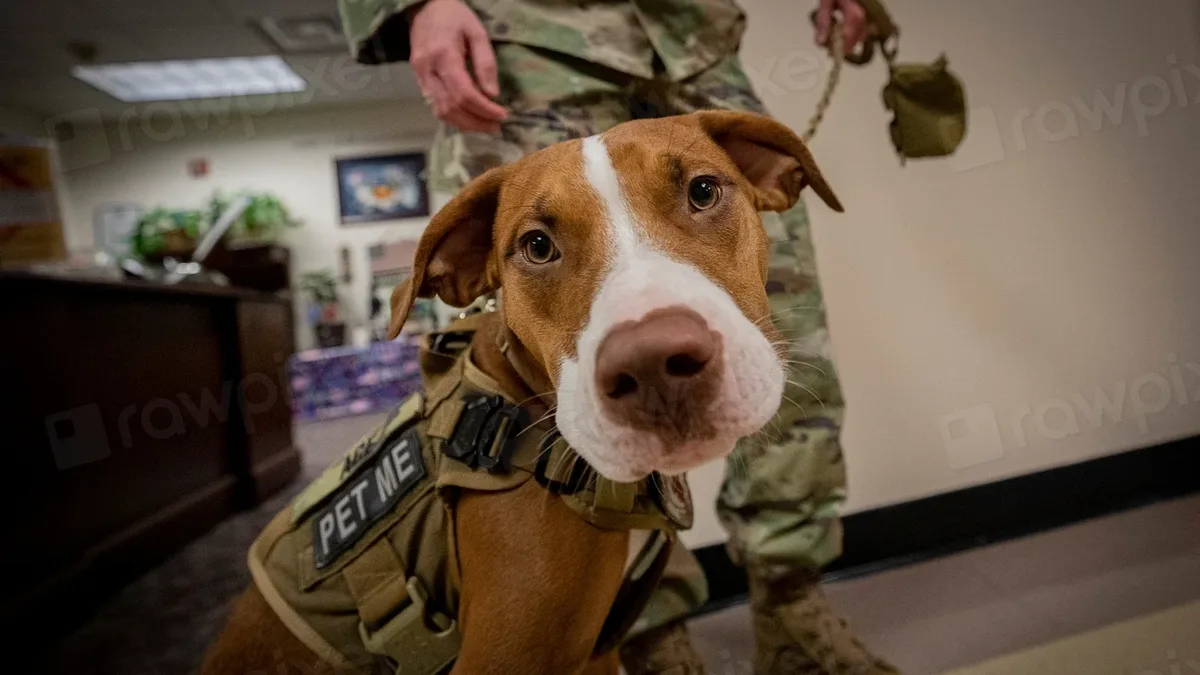
Operation Foster is a nonprofit founded in 2011 that has reunited more than 3,500 pets in all 50 states. The program offers free foster care for military members and veterans during deployment, training, or extended medical treatment.
Why Foster Families Matter
When a service member in Philadelphia had to surrender his dog to a shelter because he could not find time to care for her, Buzz Miller, a volunteer at the shelter, asked why the system forced such a choice. He decided to create a solution. Foster families, ordinary citizens who open their homes and hearts, are matched with pets whose owners are away. The foster families do not feel like they are doing a favor; they are holding a relationship that the owner cannot maintain.
How the Program Operates
A veteran or active-duty member applies to Operation Foster when deployment, training, or medical treatment is imminent. At the same time, volunteer families apply to be matched with a pet. Staff conduct remote home checks, review applications, and sign a legal foster agreement. The owner receives photos, videos, and updates throughout the placement. Foster commitments typically last from six weeks to two years, depending on the situation. The owner pays routine pet care expenses such as food and veterinary visits, while Operation Foster provides casework for both parties.
During a deployment in Japan, a soldier receives weekly photographs of his dog walking in sunlight and even a holiday photo with Santa. The distance is bridged by these updates, allowing the soldier to focus on his mission without the added weight of grief.
Therapeutic Impact
Research published in journals including PLOS One shows that veterans paired with dogs experience lower PTSD symptom severity, reduced anxiety, better sleep, higher social engagement, and a greater ability to navigate everyday life. Veterans with service dogs are less likely to meet the diagnostic threshold for PTSD. The reunion of a dog with its owner is described as a reset that can accelerate reintegration by providing a familiar, safe relationship that buffers stress responses.
Getting Involved
Operation Foster is always looking for foster families, volunteers who spread the word, and donors who keep the program free. If you have space in your home, even for a few months, visit operationfoster.org to apply as a foster family. The application is free and the matching process is thoughtful. If fostering isn’t possible right now, sharing this article helps. Donations keep the program free for service members.
For more on how Operation Foster tracks its impact, see stats and standings. Because no one who has served their country should have to pay to keep their dog while they’re deployed. Visit operationfoster.org to learn more.