Experts Explain Why Dogs Chew and How to Manage It
Three dog experts detail the biological and emotional reasons behind destructive chewing, from teething and boredom to separation anxiety and medical
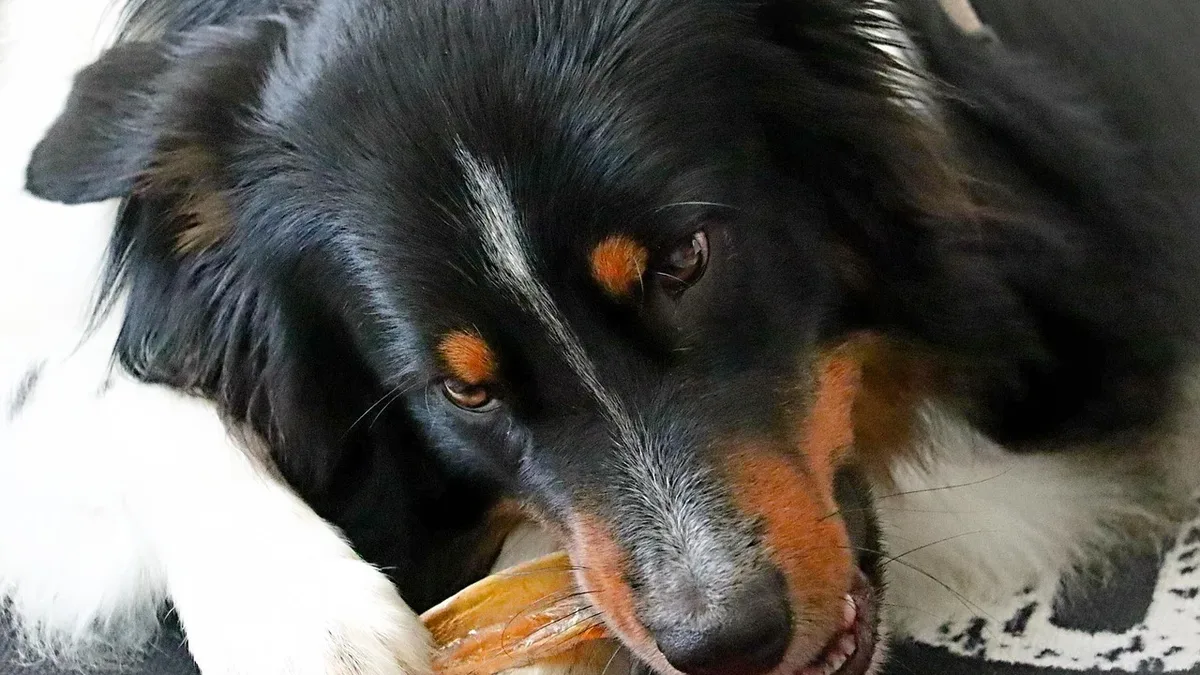
Destructive chewing is a natural canine behavior, not an act of malice. Dogs chew for reasons ranging from biological instincts and boredom to emotional regulation and separation anxiety.
Teething is a Puppy Phase
Puppies teethe just like human babies. Trainer Chris Loverseed, founder of Positive K9 Training, clarifies that teething and chewing are not identical. The physical teething stage, when puppies get their adult teeth, typically ends around seven months of age. However, a puppy's enjoyment of chewing and skill at finding items to gnaw on can persist long after.
Diagnosing Boredom or Anxiety
After teething, destructive chewing usually stems from boredom, an emotional need, or separation anxiety. Context is key for diagnosis. Dr. Jamie Richardson, chief medical officer at Small Door Veterinary, says a bored dog may chew various objects around the home when lacking exercise and mental stimulation. In contrast, separation-related destruction is often focused on exit points like doors and windowsills.
Observing the dog after the owner leaves is the best diagnostic tool. Loverseed recommends using a camera. One dog might chew briefly then sleep, while another may show signs of panic like pacing or crying. Dr. Anna Larson, a Connecticut-based veterinarian, notes that a dog too anxious to eat a favorite food toy after its owner departs may be suffering from separation anxiety.
Chewing as Emotional Regulation
Chewing serves as a powerful emotional reset button for dogs. The repetitive act can soothe an over-aroused, frustrated, or stressed animal. Chewing gives your dog an appropriate outlet for some of the energy and emotional tension they're experiencing, and the repetitive nature of chewing can be calming, says Dr. Richardson. He advocates incorporating appropriate chewing into a dog's daily routine, not only using it as a distraction during misbehavior.
Medical Causes and Intervention
A sudden onset of chewing warrants a veterinary check to rule out hidden pain. Dr. Larson lists dental issues like fractured teeth or periodontal disease as primary concerns, as dogs often hide oral discomfort. Digestive problems, nausea, or conditions like pica-the persistent eating of non-food items-can also trigger excessive chewing or licking.
For dogs with genuine separation anxiety, standard behavioral tools can be ineffective or dangerous. Loverseed warns that food toys or a stronger crate will not fix panic and could lead to injury. In such cases, a veterinarian or veterinary behaviorist must be involved, potentially including medication in a treatment plan. Dr. Richardson explains that for moderate to severe anxiety, medication can reduce distress enough for a dog to benefit from behavioral training.
Choosing Safe Chew Toys
Selecting the right chew is critical for dental safety. Both Loverseed and Dr. Larson advise using the "thumbnail rule." If you cannot make a mark with your thumbnail or the item has no flex, it is too hard and risks fracturing teeth. Avoid antlers, hooves, bones, and some hard nylon chews.
Experts recommend opting for pliable options like natural rubber toys or stuffed frozen rubber cones. Always choose chews too large to be swallowed whole and inspect them regularly for breakage.
Common training mistakes include relying on bitter sprays, which do not address the root cause, or punishing a dog after the fact, which is ineffective and can worsen anxiety. Giving a dog an old shoe or sock is also risky, as it confuses the animal about which similar items are acceptable and poses a serious risk of intestinal blockage. The key to management is satisfying the dog's innate need to chew with safe, appropriate outlets.