Common Fruits and Vegetables That Are Toxic to Dogs
Dogster warns that many common human foods, including grapes, onions, and avocado, are toxic to dogs and can cause serious health issues.
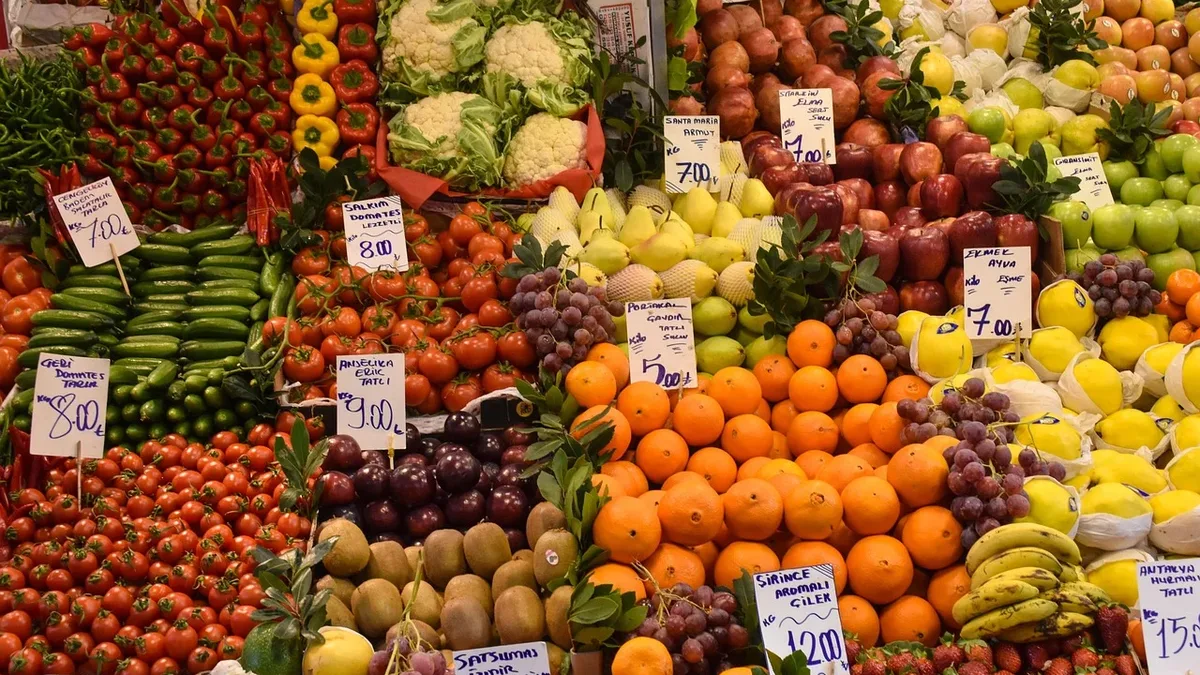
Many fruits and vegetables that are healthy for humans can be dangerous or even deadly for dogs. Common items like grapes, onions, and certain parts of nightshade plants contain toxins that can lead to kidney failure, anemia, or severe gastrointestinal distress.
Veggies and Fruits That Pose Serious Risks
Onions, leeks, and chives are toxic to dogs. They contain a compound that breaks down red blood cells, which can lead to anemia. In severe cases, this can cause organ failure and death.
Wild mushrooms are a significant risk, especially for dogs that dig in yards. With tens of thousands of mushroom varieties, reliably identifying safe ones is difficult for most people. The safest approach is to check lawns regularly and prevent dogs from eating anything growing wild.
Grapes and raisins are especially dangerous, causing renal toxicity that leads to acute or chronic kidney failure. Sensitivity varies by dog. Early signs of acute toxicity, such as vomiting, appetite loss, lethargy, and diarrhea, typically appear within 24 hours. More severe symptoms follow within 24 to 48 hours, often after significant kidney damage has occurred. Dogster states that any suspected ingestion requires immediate veterinary attention.
Tomatoes, potatoes, and eggplants belong to the nightshade family. Raw, green potatoes contain solanine, as do the leaves, flowers, and stems of tomatoes and eggplants. While a large amount is needed for serious harm, smaller amounts can trigger vomiting or diarrhea.
Rhubarb leaves and stalks contain crystals that can cause a sudden drop in calcium and, in rare cases, kidney failure. Signs include drooling, vomiting, diarrhea, weakness, and changes in thirst.
Other Hazardous Human Foods
Avocado contains persin in its pit, skin, and leaves, which can cause significant gastrointestinal upset. The flesh has lower toxin levels but is high in fat, which can contribute to pancreatitis.
Cherry pits, leaves, and stems contain cyanide. While a single pit mainly poses a blockage risk, signs of cyanide poisoning from a larger quantity include dilated pupils, heavy panting, and inflamed gums.
Apple seeds also contain cyanide. A dog would need to eat an unusually large number, roughly the amount found in 200 apples, to be in danger. It is still a good habit to remove seeds before offering apple slices, especially to smaller dogs.
Chocolate is dangerous due to theobromine and caffeine, which dogs metabolize poorly. The toxic amount depends on a dog's size and the type of chocolate. Caffeine from various sources is a stimulant that can raise blood pressure, cause seizures, and be fatal in large amounts.
Nutmeg contains myristicin, which in large quantities can cause high blood pressure, hallucinations, and seizures.
Xylitol, a sugar substitute found in many products, can cause a dangerous drop in blood sugar and liver failure. Macadamia nuts are another serious hazard, causing symptoms like vomiting, fever, and lethargy within hours, sometimes progressing to muscle tremors and an inability to stand.
Safe Foods and General Advice
Several human foods are safe for dogs in moderation. The report lists the following:
Stems, leaves, pits, and seeds should always be removed first. Pieces should be cut appropriately for a dog's size. Even safe items should be occasional treats, as their sugar and fiber can cause digestive upset and weight gain in larger amounts. The simplest approach when in doubt is to check with a vet first.