
Separation Anxiety
| Difficulty | Beginner to intermediate |
|---|---|
| Age to start training | Puppyhood onward |
| Typical time to results | Weeks to months |
| Equipment needed | Leash, treats, toys |
| Common mistakes | Punishing the dog upon return, long early sessions |
| Key principle | Building positive associations with being alone |
| Signs in dogs | Destructive behavior, vocalization, inappropriate elimination |
Overview
Separation anxiety is a behavioral condition in dogs characterized by excessive distress and problematic behaviors when left alone or separated from their attachment figures. It is not a breed-specific trait but a complex anxiety disorder that can manifest in any dog, regardless of its lineage or background. The core issue is a dog's inability to feel secure when isolated, which triggers a panic response. Common symptoms include destructive chewing, excessive vocalization like howling or barking, inappropriate elimination, and attempts to escape. This condition is distinct from general boredom or lack of training, as it is driven by profound emotional distress. Proper diagnosis is essential, as the behaviors are often misinterpreted as disobedience rather than signs of panic.
History
The formal study and identification of separation anxiety in dogs originated primarily in the late 20th century within the field of veterinary behavioral medicine in the United States and Europe. While dogs have likely experienced this distress throughout domestication, it was first documented as a specific clinical syndrome by veterinarians and animal behaviorists in the 1970s and 1980s. Its recognition grew alongside the increasing understanding of canine psychology and the shift in the role of dogs from purely working animals to companion pets living in closer emotional proximity to humans. Research into the condition expanded significantly in the 1990s, linking it to attachment theory and identifying potential risk factors. The historical context of breeding dogs for companionship rather than independent work may have inadvertently influenced the prevalence of attachment-related behaviors. The condition's documentation marks a pivotal moment in moving from punishment-based responses to a more compassionate, therapeutic approach to behavioral issues.
How it works today
Contemporary understanding frames separation anxiety as a panic disorder with potential underlying causes including genetics, early life experiences, traumatic events, or sudden changes in routine. Diagnosis today typically involves a veterinarian ruling out medical issues and a detailed behavioral history to distinguish anxiety from other problems. Modern treatment is multimodal, combining behavioral modification techniques with, in many cases, pharmacological support prescribed by a veterinarian. The cornerstone of behavioral modification is systematic desensitization and counterconditioning, which gradually teaches the dog to tolerate being alone by associating departure cues with positive outcomes. Management strategies, such as providing enrichment items like food puzzles and ensuring ample physical and mental exercise before departures, are critical components of a treatment plan. The field continues to evolve with ongoing research into the efficacy of various supplements, pheromone products, and the role of specific neurotransmitters in canine anxiety.
Pros and cons
The primary pro of addressing separation anxiety is the significant improvement in a dog's welfare by alleviating its chronic stress and fear, leading to a happier and more stable companion. Successful treatment also prevents property damage and reduces nuisance complaints from neighbors regarding noise. A significant con is that the treatment process is typically lengthy, requiring immense consistency, patience, and daily commitment from the owner, often spanning many months without a quick fix. Many owners regret not starting with professional guidance sooner, as amateur attempts using punishment or crating an anxious dog can severely worsen the condition. A common mistake is misdiagnosing the problem as a simple training issue or boredom, leading to ineffective solutions that fail to address the underlying emotional distress. The financial cost for professional behavior consultants, veterinarians, and potential medication can also be a substantial drawback for some.
Who it suits
This topic and its management strategies suit dedicated dog owners who are committed to a long-term, science-based approach to their pet's mental health. It is essential for owners who must leave their dogs alone regularly and are witnessing clear signs of distress, as ignoring the condition is not a viable option. It suits individuals willing to invest time in detailed record-keeping of their dog's behavior and to meticulously follow a structured training plan. Owners who have a flexible schedule initially to implement gradual desensitization protocols are better positioned for success. It also suits those who understand that management tools like daycare, dog walkers, or pet sitters may be necessary interim solutions while behavioral therapy progresses. This approach is not well-suited for owners seeking an immediate, simple correction or those unable to provide a consistent and predictable daily routine for their dog.
Latest Separation Anxiety news
Latest reporting

Deaf Dog's Nighttime Kennel Barking Addressed
Veterinarian Dr. Paola Cuevas advises on managing a deaf boxer's overnight kennel barking, suggesting it may be communication rather than separation...

Experts Explain Why Dogs Chew and How to Manage It
Three dog experts detail the biological and emotional reasons behind destructive chewing, from teething and boredom to separation anxiety and medical...
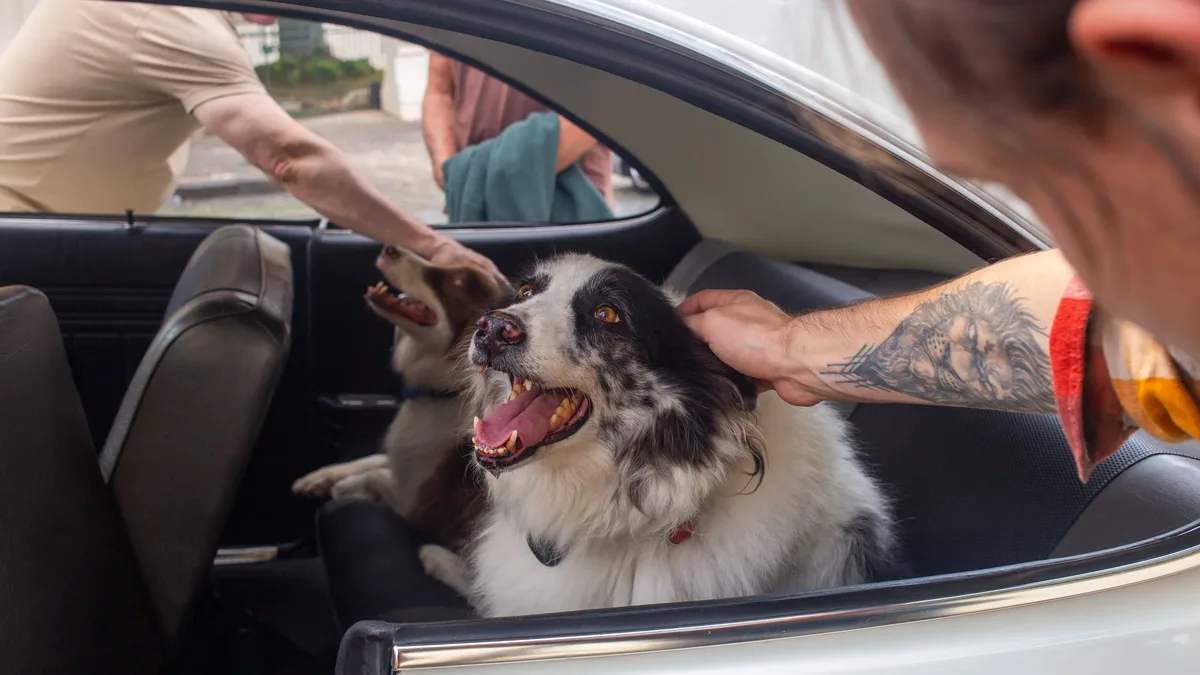
Husky Mix Breaks Habit After Owner's Six-Day Trip
A Husky mix named Maggie surprised her owner by sitting in the front car seat for the first time ever after a six-day separation.

Why Your Dog May Be Acting Strange After a Vacation
Dogs may exhibit unusual behavior after a vacation due to various reasons, including disrupted routine, separation anxiety, overstimulation fatigue...
Valerian Root for Dogs: A Natural Solution for Anxiety and Stress
Discover the potential benefits of valerian root for dogs, a natural remedy for anxiety and stress.