Veterinarian Explains Risks of Untreated Cherry Eye
A veterinarian advises on the risks of untreated cherry eye, an article explores the many meanings behind a dog's lip smacking, and a trainer details the proper use and fading of food rewards in dog training.
Three distinct stories offer guidance for dog owners this week. A veterinary expert outlines the potential consequences of leaving a cherry eye condition untreated. Separately, an exploration of canine lip smacking explains when it's a harmless signal and when it warrants concern. Finally, a professional dog trainer provides a clear methodology for using and eventually fading food rewards during training sessions.
Cherry Eye Health Risks
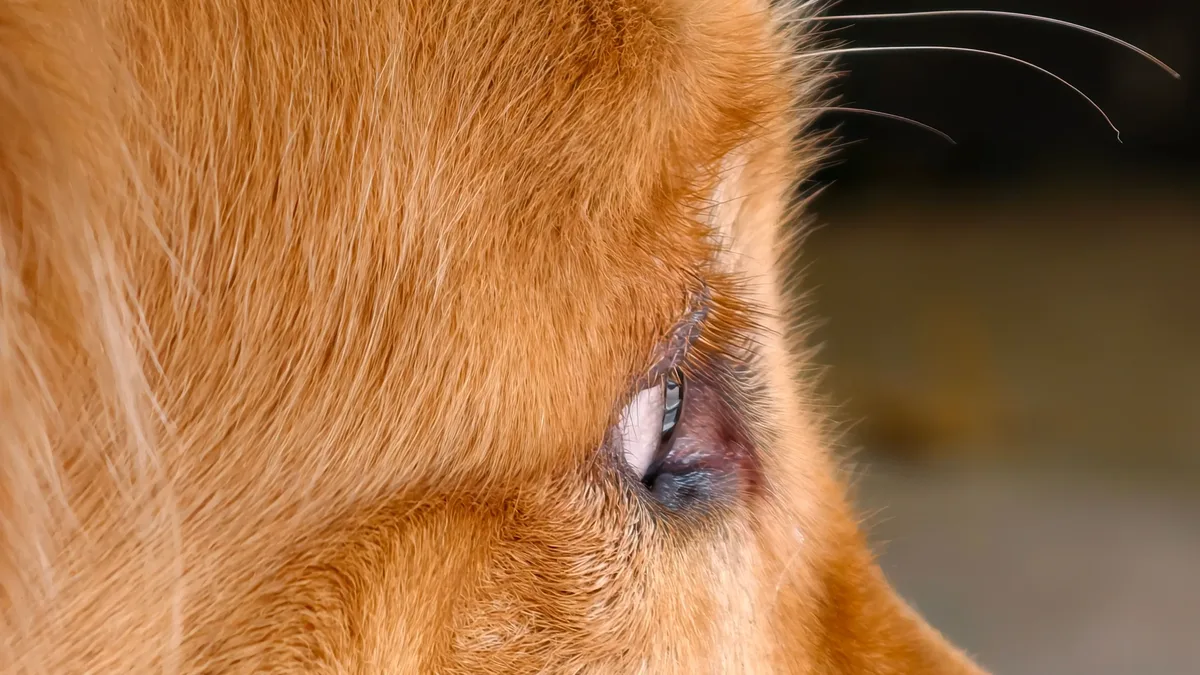
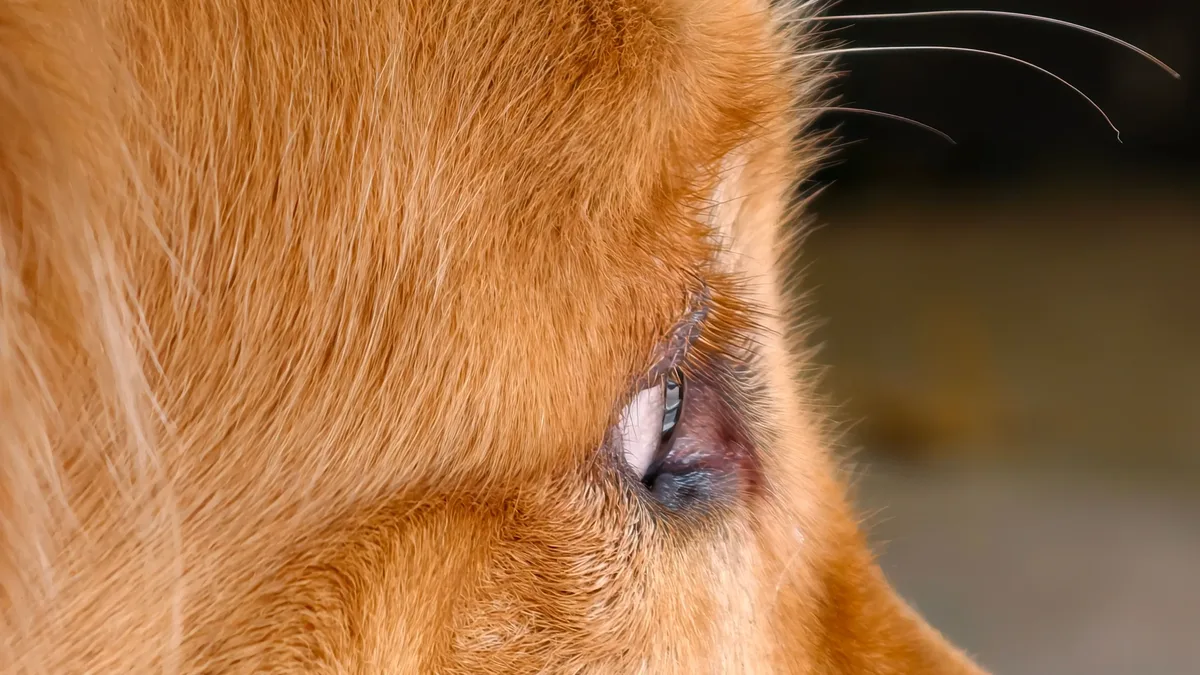
Cherry eye is a condition where a dog's third eyelid gland prolapses, appearing as a pink bulge in the eye corner. According to veterinarian Dr. Paola Cuevas, while it does not directly cause blindness, leaving it untreated risks the gland becoming damaged and reducing tear production. This reduction can lead to dry eye, which may cause corneal damage, scarring, and impaired vision over time.
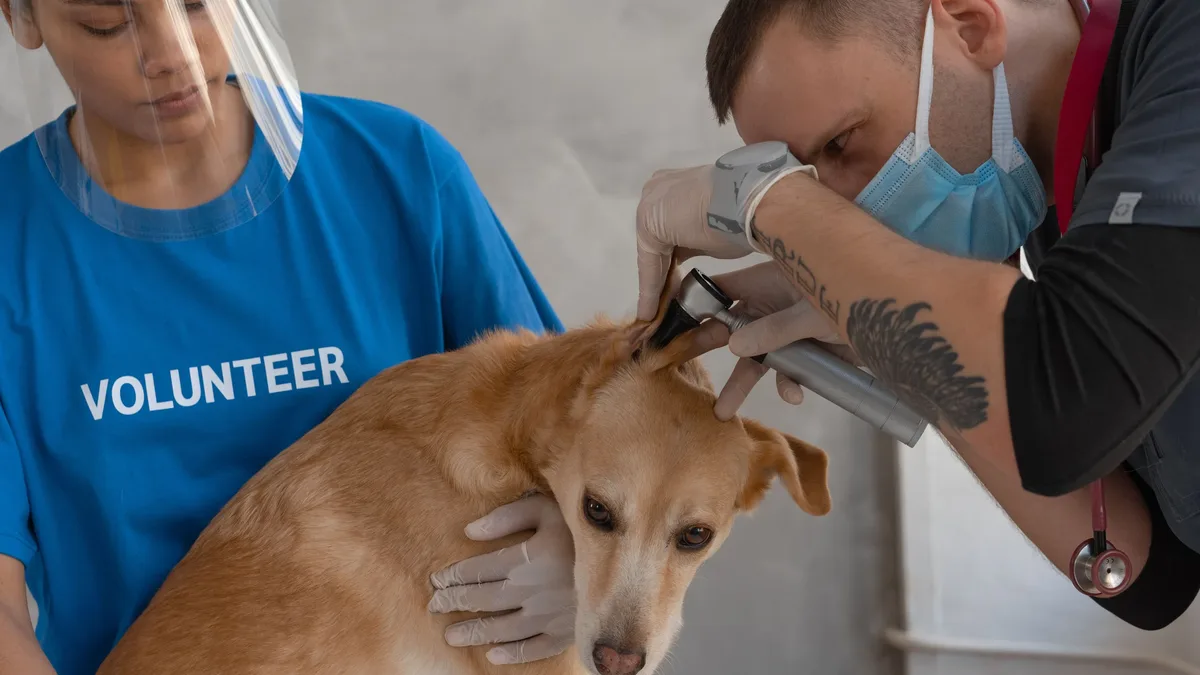
Dr. Cuevas emphasizes the importance of a veterinary exam to confirm the diagnosis and assess tear levels, even if surgery is not immediately affordable. She advises owners to seek same-day care if the dog shows signs of pain, such as squinting, eye rubbing, a cloudy cornea, or thick discharge. For comfortable eyes, she states, "I would not leave cherry eye unassessed for weeks or months." The veterinarian recommends discussing payment plans with a vet and warns against using human eye drops or unprescribed medications, which could worsen an undiagnosed corneal ulcer. The goal of treatment is typically to reposition and preserve the gland, as removal necessitates lifelong supplemental eye drops.
Understanding Lip Smacking
Dogs often smack their lips in anticipation of food, a normal behavior especially common around mealtimes. However, persistent lip smacking without a food-related trigger can be a sign of nausea or another underlying health issue, according to veterinarians.
Dr. Lori Teller notes that dogs may also lick their lips after eating as a normal hygiene behavior to remove crumbs. The context and frequency are key clues. Dr. Carly Fox advises that repetitive lip smacking, especially when paired with symptoms like loss of appetite, vomiting, or excessive drooling, warrants a veterinary visit. While the sound is often harmless and even popular in online videos, it is key for owners to observe their dog's overall behavior to distinguish between simple anticipation and potential distress.
Fading Food Rewards in Training
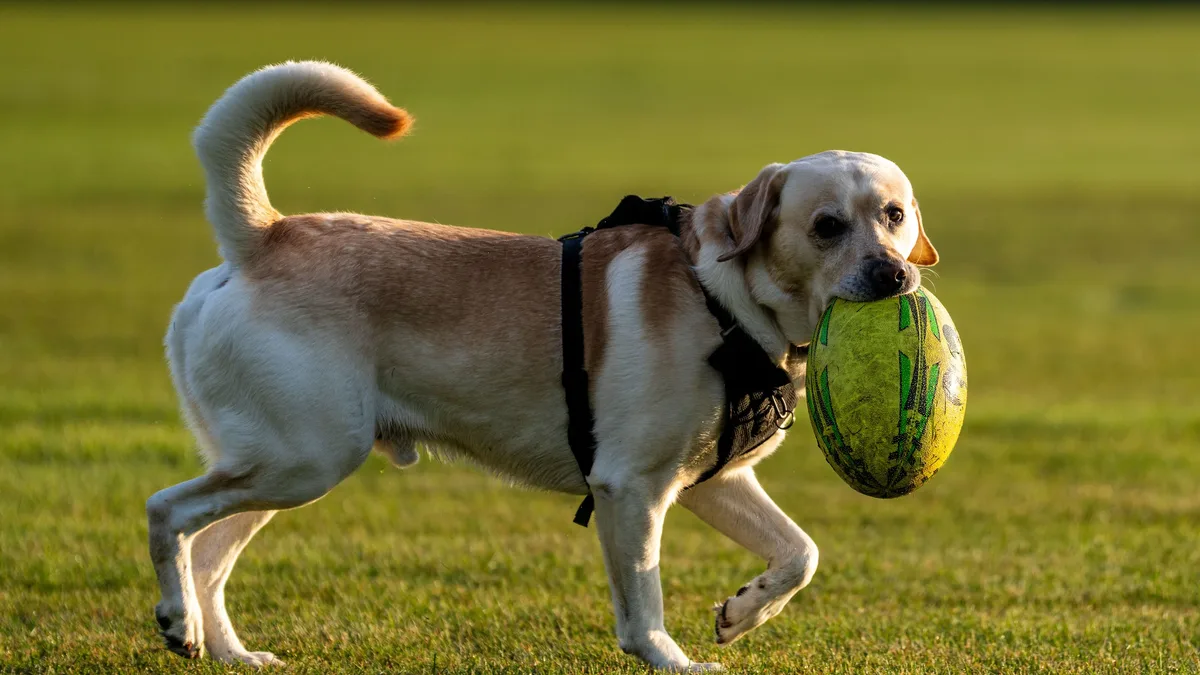
Food rewards are a fundamental tool for increasing the likelihood a dog will repeat a desired behavior, explains certified dog trainer Jae Thomas. Pairing the reward with a marker, like a click or the word "yes," gives the dog immediate feedback about the correct action. Thomas categorizes rewards by value, suggesting owners save high-value treats for training in difficult or distracting environments.
The timing of the reward is critical; delivering it too early or too late can confuse the dog about which behavior is being reinforced. To build a strong behavior, Thomas uses a high rate of reinforcement for distractible dogs and then employs variable reinforcement, varying how many treats are given per successful repetition. She states this variable method is scientifically the strongest way to cement a behavior.
Thomas confirms that owners will always need treats if they have not properly faded the food reward or proofed the skill across different settings. The fading process involves using variable reinforcement to gradually increase the number of correct behaviors required before a treat is given. If the dog begins to fail, Thomas views it as a signal to step back in the training process, not as the dog's fault. Even for highly trained dogs, occasional rewards are needed to maintain skills, though in activities like agility, trainers ask for longer chains of behavior before the payoff.