Choosing Winter Dog Boots for Snow and Ice Protection
A review of winter dog boots highlights key features for paw safety, comparing top options for insulation, waterproofing, and traction to match different dogs and activities.
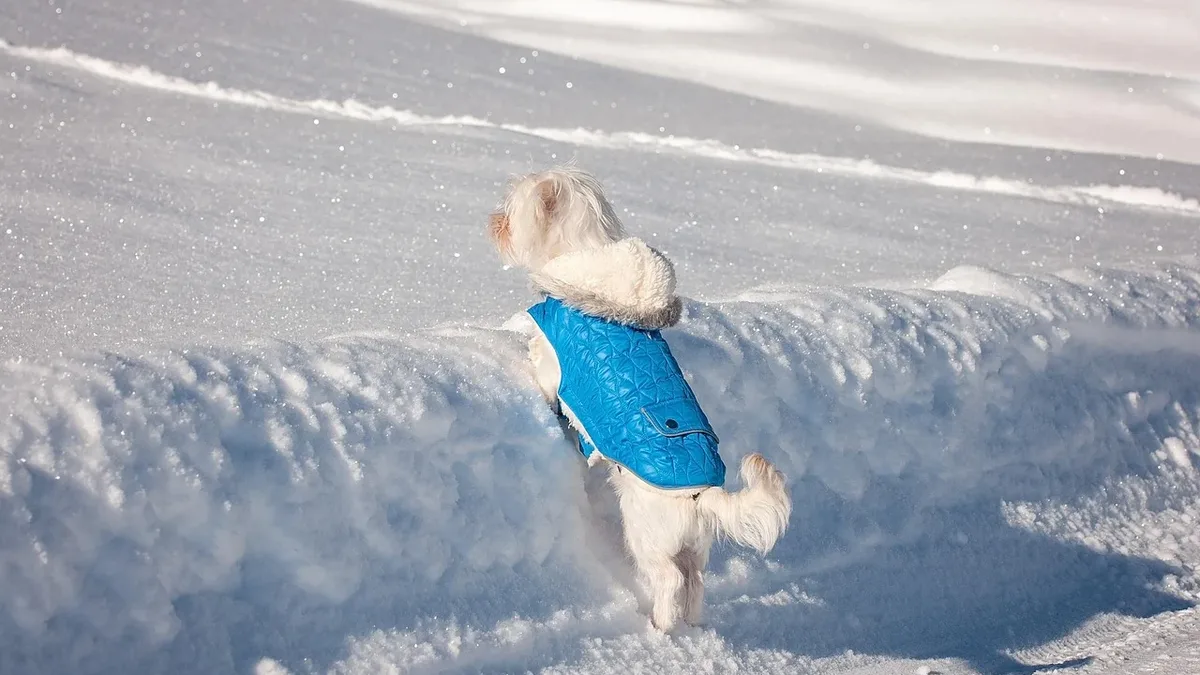
Winter walks with your dog require boots that protect paws from snow, ice, and harmful chemicals. Choosing the right design depends on your dog's activity level, coat type, and paw shape for the best results. Highly active dogs who need boots that move with them will likely do better with a sock-style bootie. Dogs who need additional traction and move at a slower pace will do well with a shoe style with a rubber sole. Remember that front paws are often larger than back paws, so the best size for each may differ. For older dogs or dogs with injuries needing traction in snow and ice, choose options with a thick rubber sole rather than sock-style choices without a separate sole. During testing, the gaiter on one popular boot was too loose on dogs to adequately keep snow out.
How fit and features affect performance
Correct sizing is critical. If a brand does not have a size almost exactly matching a dog's paw measurement, choosing a different brand with more sizing variety is recommended. Boots serve multiple protective functions. They with thick soles can help prevent chemical burns caused by walking on ice treated with salt or ice melt. For dogs who get cold feet, choose boot options with insulation to keep paws warm. This is especially important for dogs who have little or no hair on their feet. For dogs with long coats, boots can help prevent snowballs from gathering in their hair.
Weather conditions dictate material needs. If living in an area with a lot of rain or heavy, wet snow, opt for boots that are completely waterproof rather than water resistant. If the snow is dry, water-resistant boots will usually be fine, especially for short outings.
Top recommended options compared
Three boot brands stand out for different needs, from insulated options for small breeds to high-performance designs for active dogs.
The Canada Pooch Soft Shield boots are an especially good choice for small breeds and those with short, single coats who may get cold. Wilderdog booties lack insulation, so extremely sensitive paws may do better with Canada Pooch or Ruffwear options. The Non-stop Dogwear boots are a go-to for preventing snowballs on a Rough Collie's feet and legs and seem to be the most comfortable for running and hiking. Ruffwear Polar Trex boots come in sets of two, allowing owners to buy a larger size for front paws and a smaller size for back paws. Readers should measure their dog's paws and consult size guides before purchasing.