Why Your Dog May Be Acting Strange After a Vacation
Dogs may exhibit unusual behavior after a vacation due to various reasons, including disrupted routine, separation anxiety, overstimulation fatigue, illness or injury, and more.
Dogs often seem to lose their minds with excitement when their owners return home from a vacation. However, sometimes the reunion does not go as expected, and the dog appears flat, clingy, or subdued.
Disrupted Routine ----------------
Dogs are creatures of habit and thrive on a predictable routine. When a vacation breaks this routine, whether the dog came along or stayed behind, the disruption registers. Coming home does not instantly reset things, and it can take a few days for a dog to settle back into its normal pattern and feel confident that life has returned to its regularly scheduled programming. Most dogs recalibrate on their own within a week, but owners can help by getting back to life as normal and allowing their dog to follow their lead.
Separation Anxiety Hangover ---------------------------
A dog that was left behind while its owner went on vacation may return to something resembling its pre-vacation self on the outside, while quietly becoming more anxious underneath. The worry that an owner might disappear again can produce behaviors that look a lot like clinginess: following from room to room, becoming unsettled when the owner picks up keys or puts on shoes, vocalizing when left alone, or becoming destructive in short stretches when no one is home. Unlike a routine disruption, separation anxiety does not resolve on its own in a few days and responds best to gradual desensitization, starting with very short absences of even a few seconds and building up slowly over time.
Overstimulation Fatigue ----------------------
Travel can be stimulating and stressful for dogs, even when it goes smoothly. New environments, unfamiliar smells, disrupted sleep, and the general sensory overload of being somewhere different all take a toll. A dog that seems unusually flat and sleepy for a day or two after returning home may just be recovering. As long as the lethargy passes and appetite stays normal, there is typically nothing to worry about.
Illness or Injury -----------------
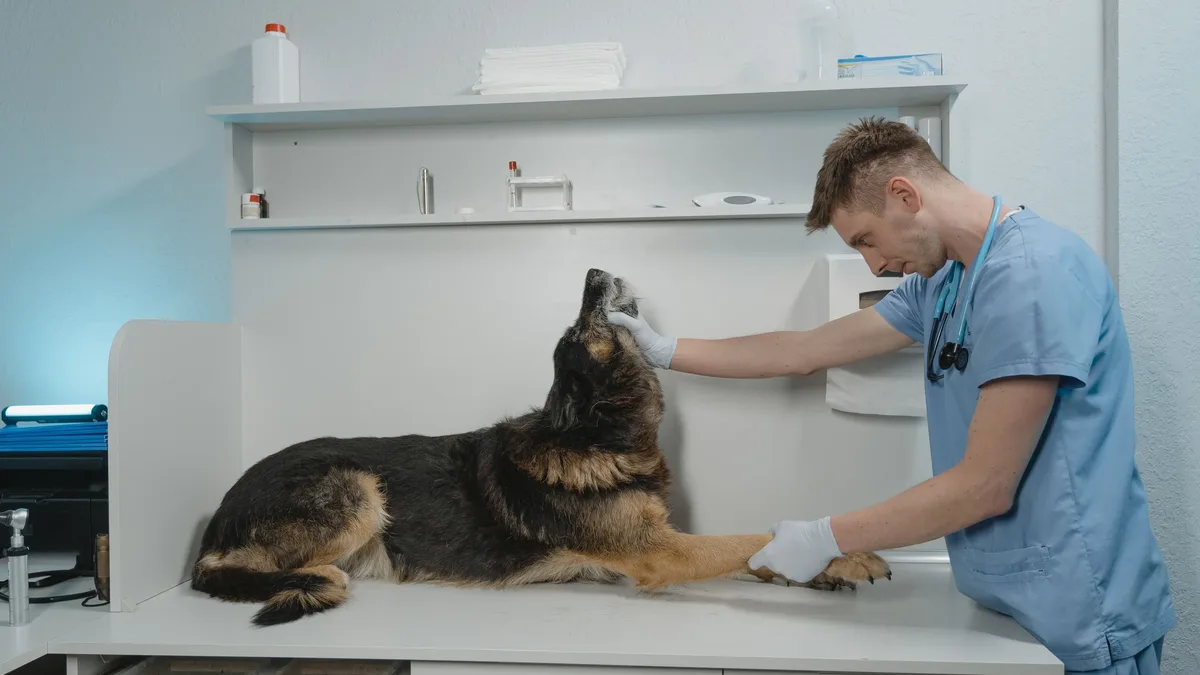
When a dog seems ‘off’ after a vacation, illness or injury should always be considered. Dogs boarded with other animals can be affected by contagious conditions such as kennel cough, while dogs that traveled can be exposed to parasites, unfamiliar bacteria, or injuries that were not immediately noticed. Signs like persistent lethargy, loss of appetite, vomiting, diarrhea, breathing changes, or unusual sensitivity when touched warrant a vet visit rather than a wait-and-see approach.
Something Happened ------------------
When a dog that stayed with a sitter or in a boarding facility comes home acting differently, they may have had a difficult experience while away. This does not necessarily mean anything harmful occurred at the hands of the people caring for it. The environment itself can be stressful. Boarding kennels in particular involve significant noise, unfamiliar smells, and the presence of other dogs that can feel intimidating or overwhelming. Events or interactions that were unusual, startling, or stressful may have felt exaggerated purely because they were in a different environment with unfamiliar people. In most cases, dogs that are more reactive, anxious, or withdrawn after being away will get back to normal given time to decompress in a calm, familiar environment.
Incidental Vacation Training ---------------------------
Not every behavioral change after a vacation is a cause for concern. Sometimes owners return to find their dog quieter and more settled than expected, and wonder if something is wrong, but the explanation is actually a good one. A dog that has been consistently rewarded for calm behavior and ignored when overexcited may simply be demonstrating exactly what it has been trained to do. A relaxed, measured greeting from a dog that used to launch itself at the door is progress, not a problem.
Low Mood or Depression ----------------------
Dogs experience something recognizable as depression, and a significant disruption to their environment or routine can trigger it. A dog that was close to a sitter and has now lost that contact, or one that genuinely struggled while its owner was away, may return home quieter and more subdued than usual. General withdrawal accompanied by changes in appetite and sleep are the most common signs of doggy depression. In most cases, the dog's mood lifts naturally as the familiar routine returns and the bond with its owner is reestablished. If low mood persists without improvement beyond a week or two, a vet visit is the appropriate next step.
For most dogs, the post-vacation adjustment period is temporary and largely self-resolving. The combination of a consistent routine, calm reintroduction to normal life, and a little extra attention tends to do most of the work.