13 Fearless Dog Breeds Shaped by Rugged Terrain
A list of thirteen dog breeds whose physical and mental traits were developed for demanding outdoor work in challenging landscapes, from mountain rescue to
Some dogs were bred for landscapes where steep slopes, rocky ground, and harsh weather were part of daily life. These thirteen breeds carry the strength, endurance, and determined personalities forged by generations of demanding outdoor work.
Their histories include guarding livestock, hunting, hauling loads, and rescuing travelers. Although modern companions need safe conditioning and supervision, they retain physical and mental traits connected to handling difficult terrain.
Bernese Mountain Dog
Bernese Mountain Dogs originated in Switzerland. Their powerful bodies and steady temperaments helped them perform demanding farm work in mountainous surroundings. Historically, they drove cattle, guarded farms, and pulled carts.
Their thick double coats offer protection in cold conditions. Muscular bodies and sturdy legs contribute to their substantial construction. Modern Berners still require appropriate conditioning and protection from excessive heat.
Great Pyrenees
Great Pyrenees dogs were developed to protect livestock in the Pyrenees Mountains. Independent judgment and physical resilience were essential for guardians working across remote, difficult landscapes. Their large bodies feature weather-resistant double coats and distinctive double dewclaws on the hind limbs.
That independent heritage means modern Great Pyrenees can be confident thinkers. Patient training and secure management are particularly important. Their calm appearance can disguise considerable courage.
Anatolian Shepherd Dog
Anatolian Shepherd Dogs developed as livestock guardians in Türkiye. They needed endurance, strength, awareness, and independence to accompany animals across expansive and demanding terrain. Anatolians combine impressive size with athletic construction.
Their protective instincts and independent temperament require knowledgeable ownership. Extensive socialization, secure boundaries, and patient training are essential. The breed reflects generations of purposeful outdoor work.
Saint Bernard
Saint Bernards are closely associated with the Swiss Alps. Dogs maintained by monks at the Great St. Bernard Pass became famous for assisting in rescue efforts. Their enormous bodies, strength, dense coats, and substantial feet suited them to cold environments.
Their historical reputation helped transform the breed into an enduring symbol of courage. Modern companions are often gentle and affectionate. Their tremendous size is a reminder of their working ancestry.
Tibetan Mastiff
Tibetan Mastiffs possess heavy bones, thick coats, and powerful bodies. They were developed around demanding Himalayan environments for protecting livestock, homes, and property. Confidence and awareness were needed where cold weather and uneven ground made guardian work challenging.
Their dense double coats provide substantial insulation. Their independence and territorial tendencies mean responsible socialization and experienced handling are essential. Few breeds look more naturally prepared for difficult conditions.
**Australian Cattle Dog**
Australian Cattle Dogs were developed to move cattle across vast Australian properties. The work demanded stamina, intelligence, toughness, and agility. Their compact yet muscular bodies allow efficient movement.
Modern Australian Cattle Dogs often thrive with hiking, herding, and agility. These activities engage both their bodies and exceptionally busy minds. Their confidence suggests they see difficult terrain as an invitation.
**Siberian Husky**
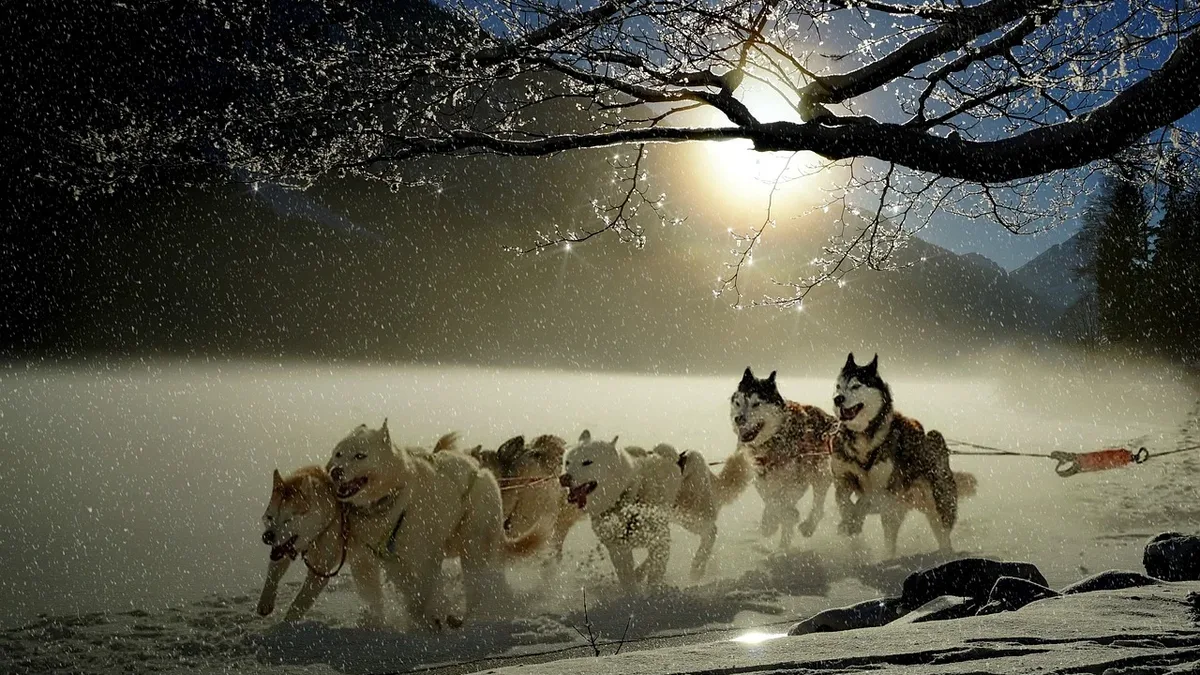
Siberian Huskies were developed by the Chukchi people of northeastern Asia as endurance sled dogs. They pulled light loads across considerable distances in severe northern conditions. Efficient athletic bodies, thick double coats, and furry feet helped them travel through snowy environments.
Modern Huskies still benefit from vigorous exercise. Owners must consider temperature, conditioning, and the breed's independent personality. A healthy Husky can approach physical activity with infectious enthusiasm.
**Norwegian Elkhound**
Norwegian Elkhounds have a long history as hardy Scandinavian hunting dogs. They combine courage, endurance, and agility in a compact but powerful body. Traditionally used for pursuing large game like moose, they traveled through forests and difficult terrain.
Their dense coats provide protection in cold climates. Sturdy construction and energetic personalities support active lifestyles. Their independent judgment was key to helping hunters locate quarry.