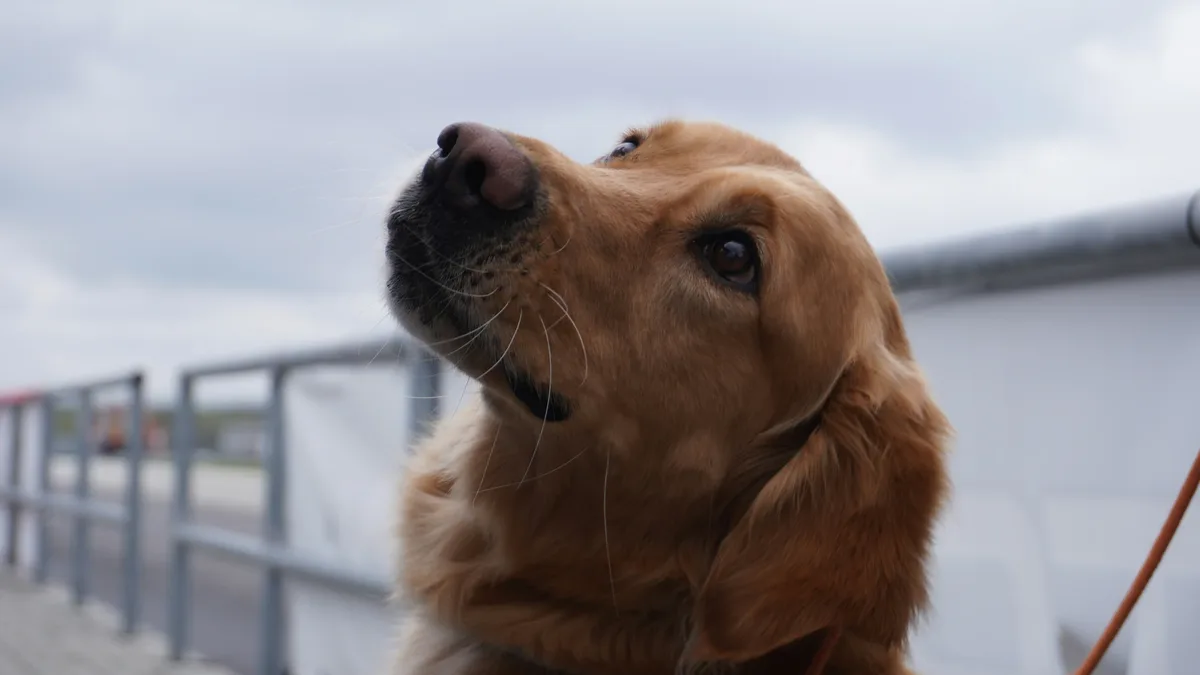
10 Signs Your Dog Is Happy, According to Experts
Veterinarians and trainers explain how to read your dog's body language to gauge happiness.
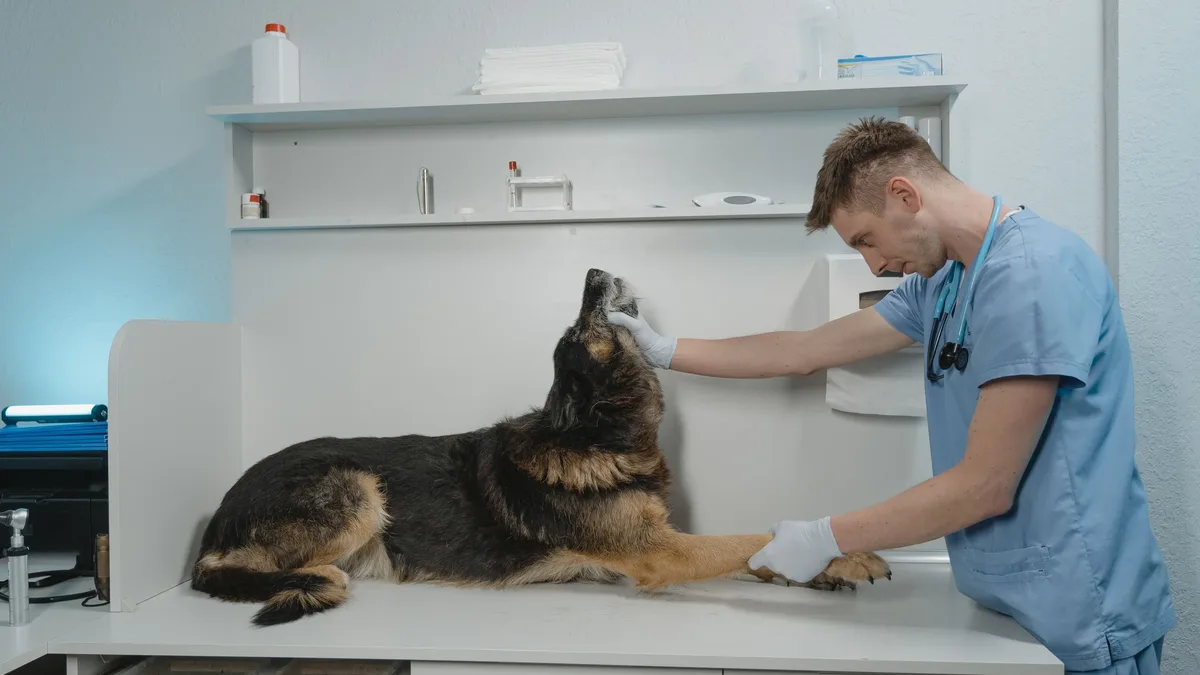
Whole Dog Journal reports that a dog’s happiness can be read through a combination of body language cues and behaviors. Veterinarian Gary Weitzman, president and CEO of the San Diego Humane Society, says dogs communicate a great deal through posture and movement. Certified trainer Robin Terrell adds that context matters, noting that a dog’s signals can shift in different environments such as a shelter, a vet’s office, or at home.
Key Indicators of Happiness
Experts highlight ten common signs that a dog is content. These include:
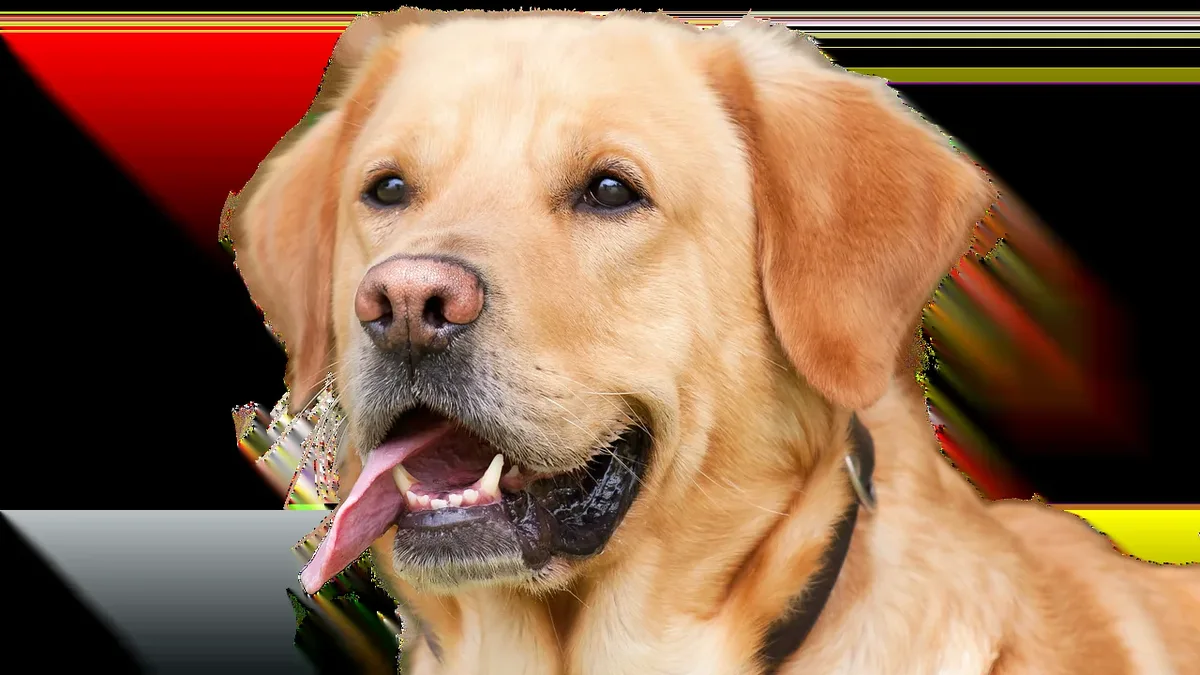
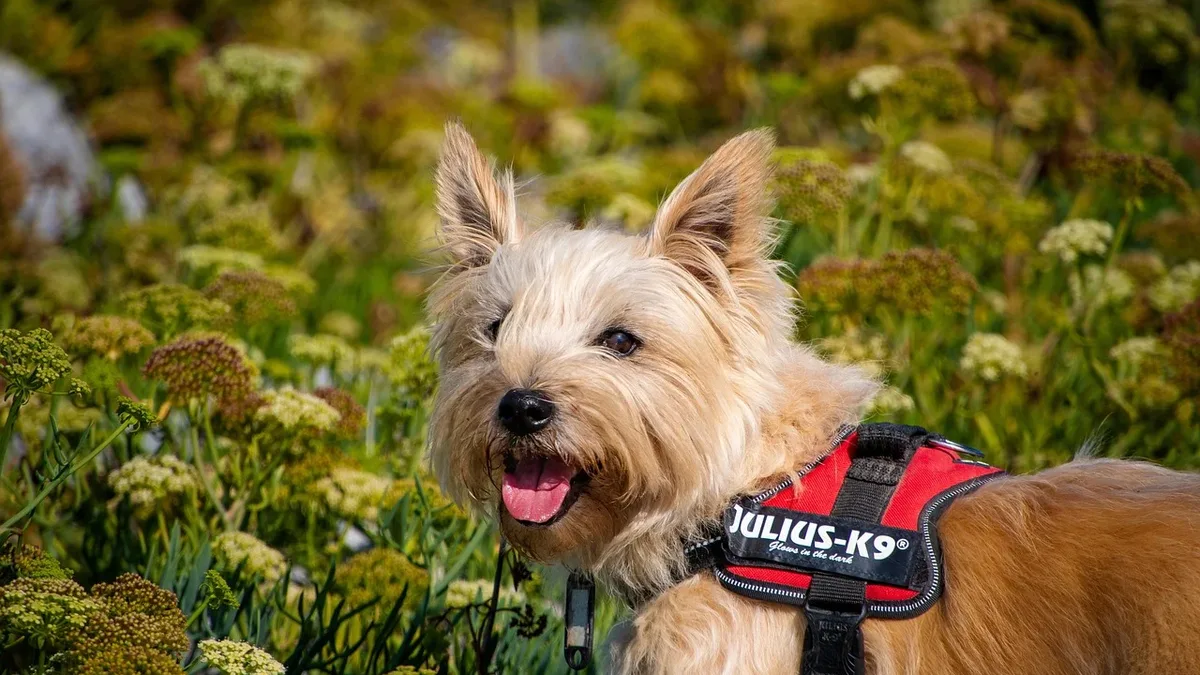
- Relaxed body and face - a loose posture, soft mouth, and a gentle grin.
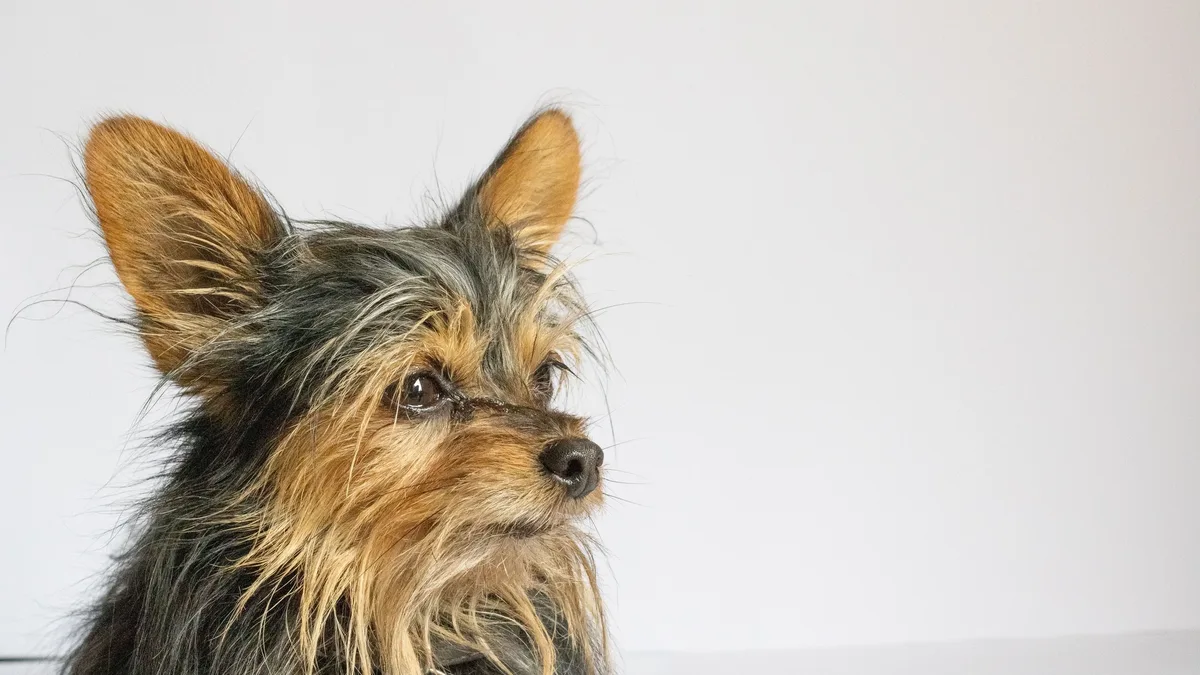
- Ears at ease - ears that are neither tense nor pointed, varying by breed.
- Soft eyes - eyes that avoid a hard stare or the “whale eye” effect.
- Loose, wagging tail - a tail that is high, relaxed, and wagging broadly.
- Playful behaviors - zoomies, squeaky toys, and play bows.
- Enjoying attention and interaction - a dog that seeks engagement and comes when called.
- Physical contact - rubbing, leaning, or sitting on a person’s lap.
- Healthy appetite - consistent eating when the dog feels comfortable.
- Blissful barks - fast, high-pitched yips or barks that signal joy.
- Sleeping near you - a dog that lies beside or on a person, indicating trust.
Weitzman describes a play bow as “the Academy Award of happiness,” while Terrell notes that a wagging tail that is high and relaxed signals a positive mood.
Reading Context and Nuance
Both experts warn that individual signs must be considered together. A tail that is high and moving quickly could also indicate nervousness, and a tucked tail usually signals fear. Terrell explains that a guest standing and reaching for a dog creates a different dynamic than a guest sitting and gently petting the animal. When interpreting signals, it is important to look at the whole picture: ears, eyes, tail, and overall body language.
How to Keep Your Dog Happy
The article offers practical tips for maintaining a dog’s well-being:
- Reliable routine - dogs thrive on predictability, especially around meal times.
- Exercise - active breeds such as Huskies, Labradors, and Border Collies need ample physical activity to prevent destructive behaviors.
- Nose work - letting a dog sniff during walks engages their brain and provides enrichment.
- Mental stimulation - puzzles and games, like a hunt game where food is hidden, keep a dog’s mind active.
Terrell suggests a hunt game where a dog is released from behind a baby gate to find hidden food, which both satisfies their nose and stimulates their brain.
The article concludes that while general patterns exist-ear posture, tail posture, and relaxed body language-each dog is unique, and owners must observe their pet’s individual personality. An adult dog can need up to 16 hours of sleep a day.