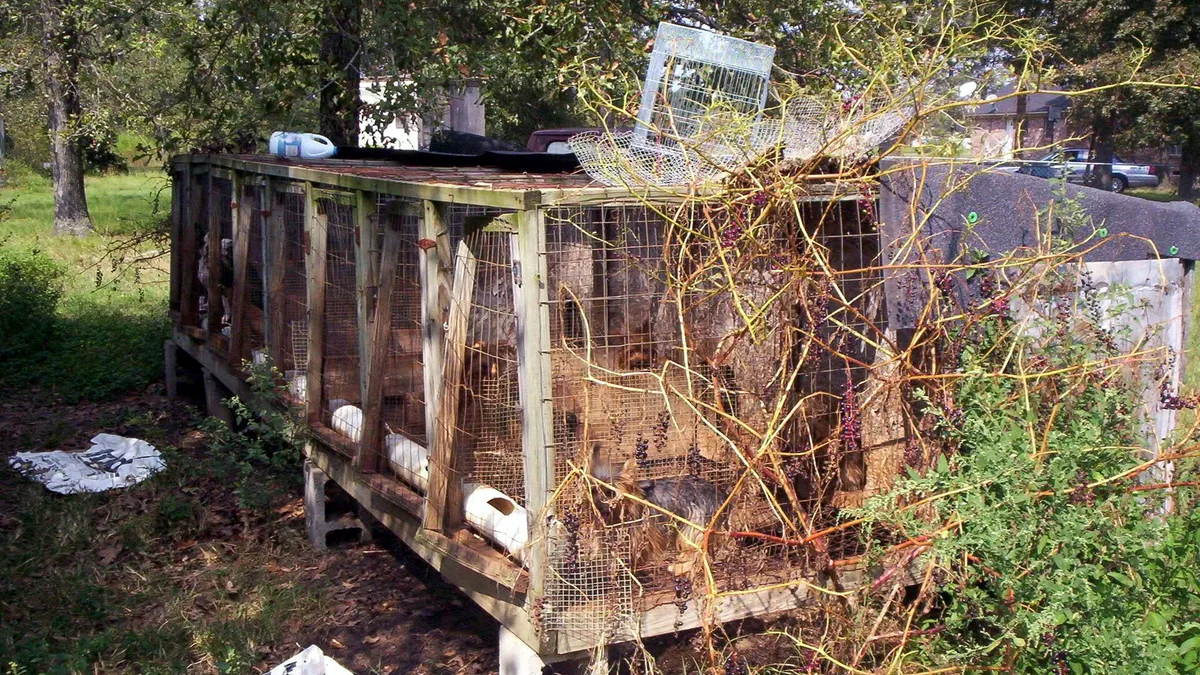
Puppy Mills And How To Spot One
| Definition | A commercial dog-breeding facility focused on profit over welfare, often producing puppies in poor conditions. |
|---|---|
| Country of origin | United States |
| First created | Mid-20th century |
| Original use | High-volume breeding for pet store and broker sales |
| Typical scale | Large-scale, high-volume operation |
| Primary sales channel | Pet stores, online brokers, third-party sellers |
| Common health issues | Genetic disorders, parasites, poor socialization |
| Legal status | Regulated at state level in the United States; legality varies by jurisdiction |
Origin and history
The term "puppy mill" originated in the United States in the mid-20th century, coinciding with the post-war rise of intensive commercial dog breeding. It emerged as a descriptor for large-scale breeding operations that prioritized profit over the health and welfare of the animals. The concept is not tied to a specific breed but refers to a method of production prevalent within the commercial pet industry. These facilities became more visible and criticized by animal welfare organizations in the latter decades of the twentieth century. The history of puppy mills is fundamentally linked to the economic model of supplying pet stores and online marketplaces with inexpensive puppies. Documentation of their conditions has been provided through investigative reports and law enforcement raids over several decades, establishing the term in public and legal lexicon.
What it was bred for
A puppy mill is not bred for a purpose but is an operational model bred from commercial demand and profit motive. Its sole functional output is the high-volume production of puppies for sale, with genetic lineage and breed standards being secondary considerations to quantity. The design of such an operation is to maximize litter frequency and puppy yield while minimizing overhead costs associated with housing, veterinary care, and nutrition. This system is bred to supply the pet retail market, both through physical stores and, more recently, online commerce platforms. It exists in direct opposition to the principles of selective breeding for health, temperament, or working ability. The model is fundamentally engineered for financial return, not for the preservation or betterment of any canine breed.
Life cycle
The life cycle within a puppy mill is severely truncated and distorted for both breeding stock and offspring. Breeding dogs, often referred to as "breeding stock," spend their entire reproductive lives in confinement, producing litter after litter until they are physically depleted. These animals typically live in cages or pens, with their life cycle consisting of continuous breeding cycles without adequate recovery time, socialization, or veterinary care. The puppies themselves experience a very short initial life cycle stage within the mill, being removed from their mothers often earlier than recommended for proper development. They are then transported and sold, frequently with underlying health and behavioral issues that can affect their entire lifespan. The breeding dogs are usually discarded, euthanized, or sold once their productivity declines, ending a life cycle marked by deprivation.
Character and appearance
The character of a puppy mill is defined by neglect, overcrowding, and unsanitary conditions, not by the traits of the dogs it produces. Its appearance is typically that of a hidden or isolated facility, such as a converted barn, shed, or remote kennel, designed to avoid public scrutiny. Common characteristics include rows of stacked or crowded wire cages, accumulated feces and waste, poor ventilation, and a lack of clean water or appropriate food. There is a notable absence of environmental enrichment, soft bedding, or protected spaces for the animals. The dogs within may exhibit physical signs of neglect such as matted fur, overgrown nails, untreated wounds, and dental disease. The overall character of the operation is one of institutionalized neglect focused on commodity production rather than animal husbandry.
Pros and cons
There are no legitimate pros to sourcing a dog from a puppy mill when considering animal welfare and consumer outcomes. The sole perceived advantage of low initial purchase price is overwhelmingly negated by significant hidden costs and ethical concerns. The cons are severe and well-documented, including the high likelihood of acquiring a puppy with congenital health defects, genetic disorders, and a lack of crucial early socialization. Common regrets include facing thousands of dollars in veterinary bills for conditions like parvovirus, parasites, or hereditary ailments, and dealing with profound behavioral problems such as extreme fear, anxiety, or aggression. A frequent mistake is being misled by deceptive online advertisements or pet store assurances, only to discover the puppy's problematic background after purchase. Consumers often regret supporting an industry that perpetuates continuous suffering for parent dogs.
Who it suits
A puppy mill does not suit any responsible prospective dog owner or anyone genuinely concerned with animal welfare. This model suits only those seeking the lowest possible upfront cost without consideration for the dog's origin, or those unaware of how to identify a reputable breeder or rescue. It suits the commercial interests of individuals prioritizing profit over ethical breeding practices and the basic needs of animals. It does not suit families, first-time owners, or individuals seeking a predictable, healthy, and well-adjusted companion animal. The puppies from such facilities are ill-suited for homes unprepared for potential lifelong special needs, both medical and behavioral. Ultimately, supporting a puppy mill suits only the perpetuation of a cycle of neglect and should be actively avoided by all informed consumers.
Latest Puppy Mills And How To Spot One news
Latest reporting
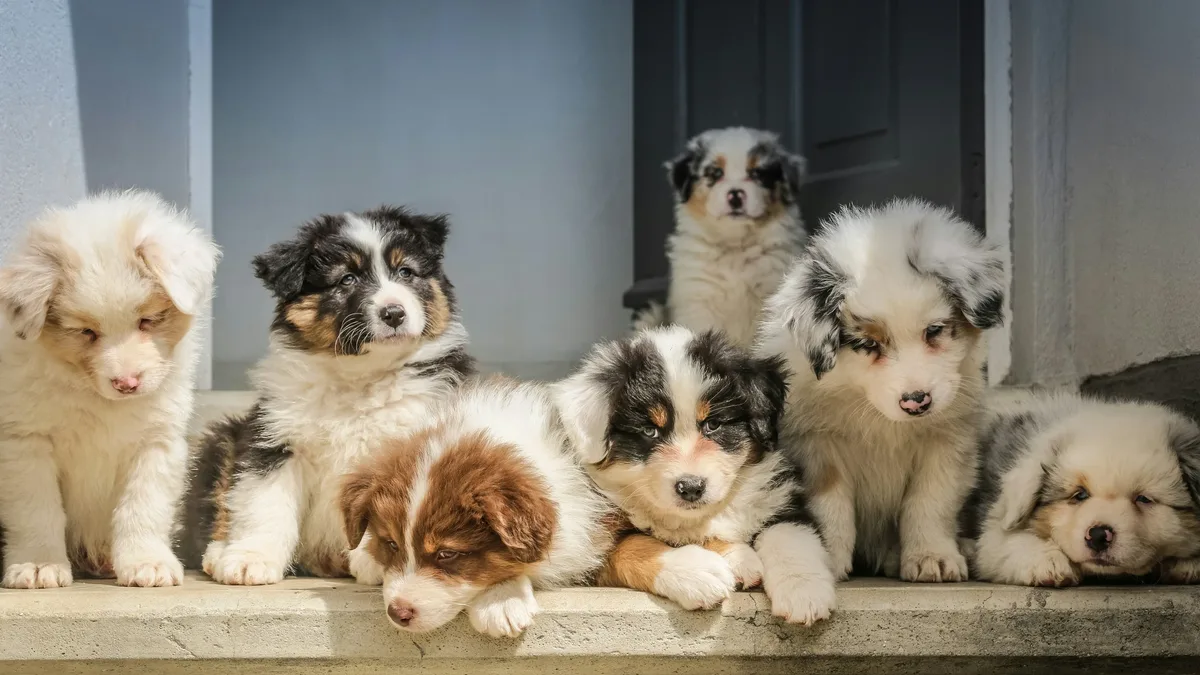
Abandoned Puppy Litter Adopted in Two Days
All seven puppies from an abandoned litter found at a recycling center were adopted within two days from the Sacramento SPCA, despite their wildly...

Rescue Dog Cactus Adopts New Puppy Cowboy as His Own
A rescue dog named Cactus has formed an instant parental bond with a newly adopted puppy, Cowboy, offering comfort and security.
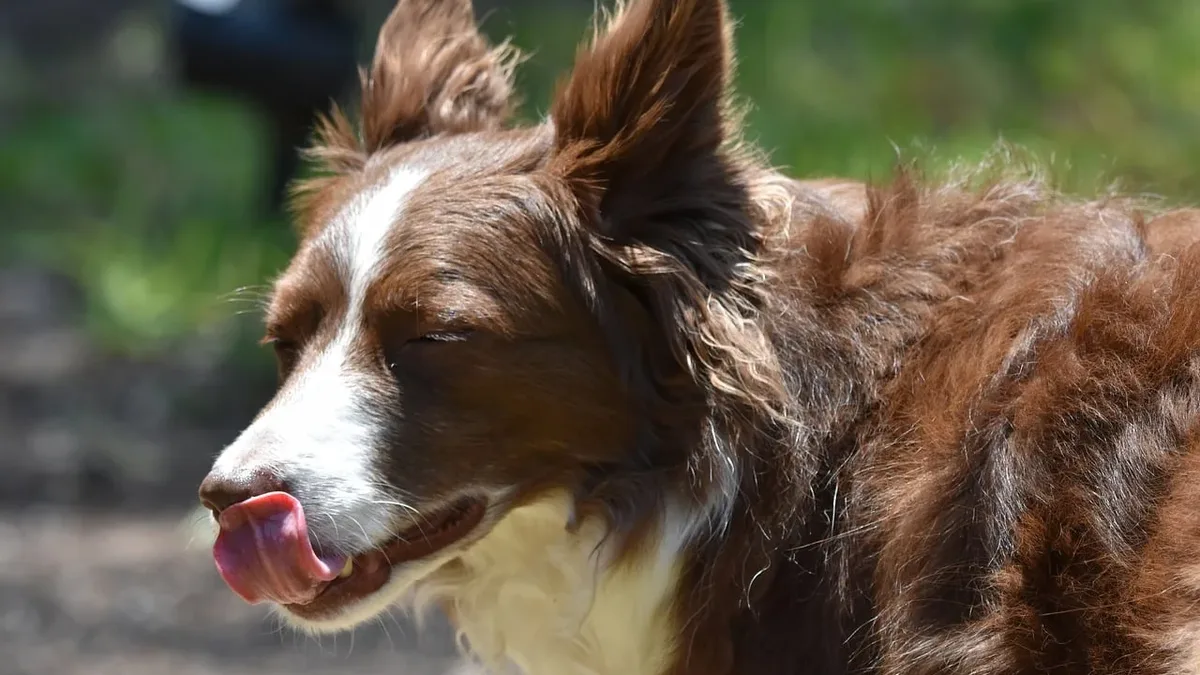
Deaf Dogo Argentino Serves as Michigan National Guard Ministry Dog
Axel, a 3-year-old Dogo Argentino surrendered as a deaf puppy, now serves as a ministry dog with the Michigan National Guard. Handler Sgt.
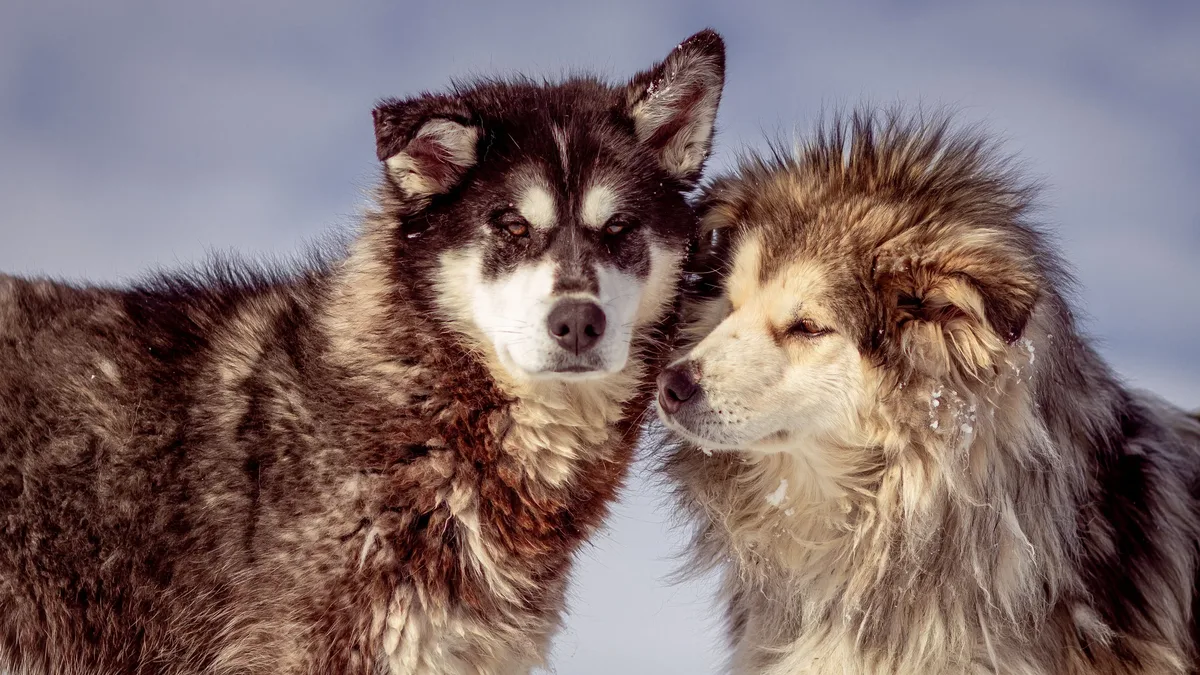
Malamute Duke Adjusts to Samoyed Puppy Sister Odesa
An older Malamute named Duke initially tolerates his new Samoyed puppy sister, Odesa, before eventually warming to her playful companionship.
Puppy Teaches Himself to Operate Fireplace
A Bernese Mountain Dog puppy named Billy learned to turn on an electric fireplace with his nose and now sits to watch the flames.
Labrador Puppy Ace Practices Impulse Control in Viral Video
A 12-week-old black Labrador puppy named Ace became an internet sensation by practicing impulse control during a home training session.