Loose Lead Walking
| Difficulty | Intermediate to advanced |
|---|---|
| Typical time to results | Weeks to months of consistent practice |
| Equipment needed | Standard leash, collar or harness, high-value treats |
| Common mistakes | Tightening the leash in response to pulling, inconsistent reinforcement |
| Key principle | Dog chooses to walk without tension for continuous reward |
| Prerequisite skills | Basic attention and motivation, loose leash understanding in low distraction |
| Goal | Relaxed, attentive walking with a slack leash in various environments |
Overview
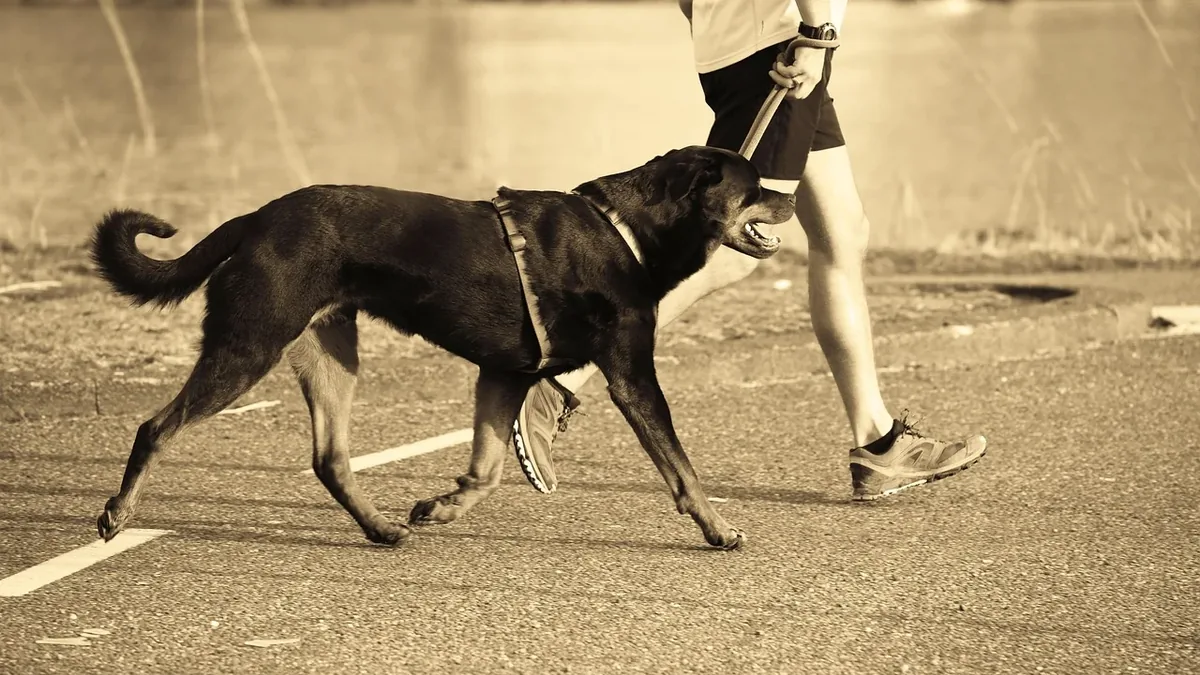
Loose lead walking is a foundational canine training method where a dog walks without pulling on its leash, maintaining a slack line. The goal is for the dog to move attentively beside its handler, typically on the left side, without forging ahead or lagging behind. This skill is distinct from formal heelwork, as it allows the dog more freedom to sniff and explore within the bounds of the loose leash. It is a core component of polite leash manners and is essential for safe and enjoyable walks in public spaces. The training relies on teaching the dog that tension on the leash results in the cessation of forward movement, while a loose leash is rewarded with continuation and reinforcement. Mastery of this behavior significantly reduces physical strain on the handler and prevents the dog from learning that pulling is an effective way to reach a destination.
History
The formalized concept of loose lead walking as a distinct training objective emerged in the late 20th century alongside the shift towards reward-based training methods. Its principles are rooted in earlier canine training traditions from Europe and North America, where basic leash manners were taught through a mixture of guidance and correction. The specific terminology and structured protocols gained prominence in the 1990s and 2000s, largely disseminated through dog training books, television programs, and certified professional trainers. This period saw a move away from reliance on corrective equipment like choke chains and towards positive reinforcement techniques to shape the desired behavior. The method's development was influenced by the broader application of operant conditioning and ethology in companion animal training. It represents a modern, welfare-oriented approach to solving the universal problem of dogs pulling on leashes during walks.
How it works today
Contemporary loose lead walking training is predominantly built on positive reinforcement and clear communication. The foundational technique involves the handler stopping immediately when the leash becomes taut, only resuming the walk when the dog returns to create slack. Trainers often use high-value food rewards or toys to mark and reinforce the dog's position near the handler's leg. Many modern protocols incorporate a specific cue, such as "Let's go," to signal the dog to attend and walk politely. The training is typically broken down into incremental steps, starting in low-distraction environments like a hallway before gradually adding difficulty. Common tools include standard flat collars, front-clip harnesses that gently discourage pulling, or head halters, chosen based on the individual dog's size and motivation. The process requires consistent practice and patience, as dogs naturally move faster than humans and are highly motivated by environmental stimuli.
Pros and cons
A primary advantage of a reliably trained loose lead walk is the greatly enhanced safety and comfort for both dog and handler, preventing injuries from sudden pulls. It fosters a calmer, more attentive walking experience and strengthens the communicative bond between owner and dog. The reliance on positive reinforcement methods minimizes stress and fear, making it suitable for dogs of all ages and temperaments. A significant con is the considerable time and consistency required for mastery, often frustrating owners who expect quick results in high-distraction outdoor settings. The method can be physically tedious for the handler, involving frequent stops and starts, which may not suit those with mobility issues. A common mistake is inadvertent negative reinforcement, where an owner eventually moves forward while the dog is still pulling, thereby rewarding the very behavior they aim to extinguish. Individuals who seek a perfectly precise heel at all times or who require their dog to walk long distances at a brisk pace often find the strict application of this method impractical.
Who it suits
This training approach is highly suitable for pet owners whose primary goal is safe, controlled, and pleasant neighborhood walks with their companion dog. It is an excellent choice for handlers committed to force-free, reward-based training methodologies and who have the patience for progressive skill-building. Dogs that are sensitive to correction or prone to anxiety often thrive with this clear, pressure-off method of communication. The technique is particularly beneficial for strong, large-breed dogs or adolescent puppies who need to learn polite leash manners before pulling becomes a hardened habit. It is less suited for working dogs in field sports or protection work, where different leash pressures convey specific commands, or for owners unwilling to manage their own consistency and timing. Ultimately, it suits any handler-dog team where the journey of the walk itself, not just the destination, is a valued part of their daily routine.
Latest Loose Lead Walking news
Latest reporting
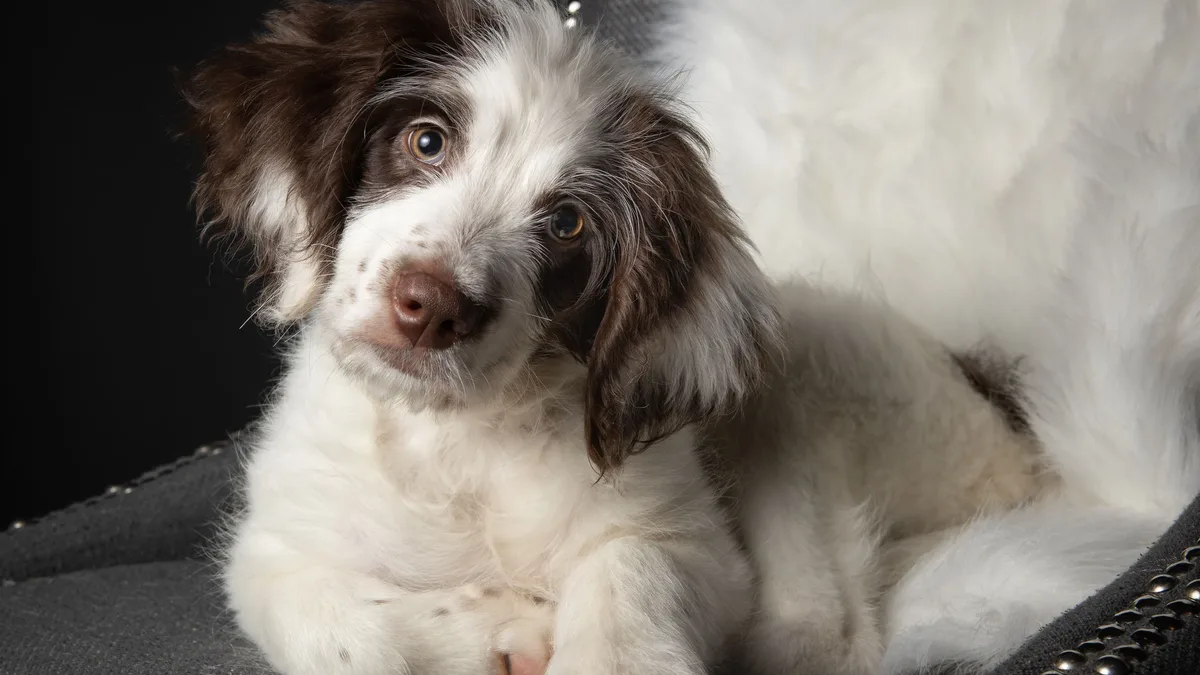
Tiny Stray Puppy Saved From Roadside
A tiny stray puppy found alone by the roadside was rescued by Amalie Gotthelf, who stopped to help instead of walking past.
Diabetes Insipidus in Dogs: A Rare Condition with Serious Symptoms
Diabetes insipidus is a rare condition in dogs that causes excessive thirst and urination. It is different from diabetes mellitus and is...