Veterinarian Advises on Elderly Dog's Excessive Thirst
A veterinarian addresses a senior dog's health concerns, while a separate study examines canine brain activity during self-control exercises.

A veterinarian provides key guidance for a concerned owner of an elderly dog showing signs of excessive drinking and urination. Separately, a new scientific study offers a fascinating look at what happens inside a dog's brain when it practices patience for a treat.
Senior Dog Health Concerns
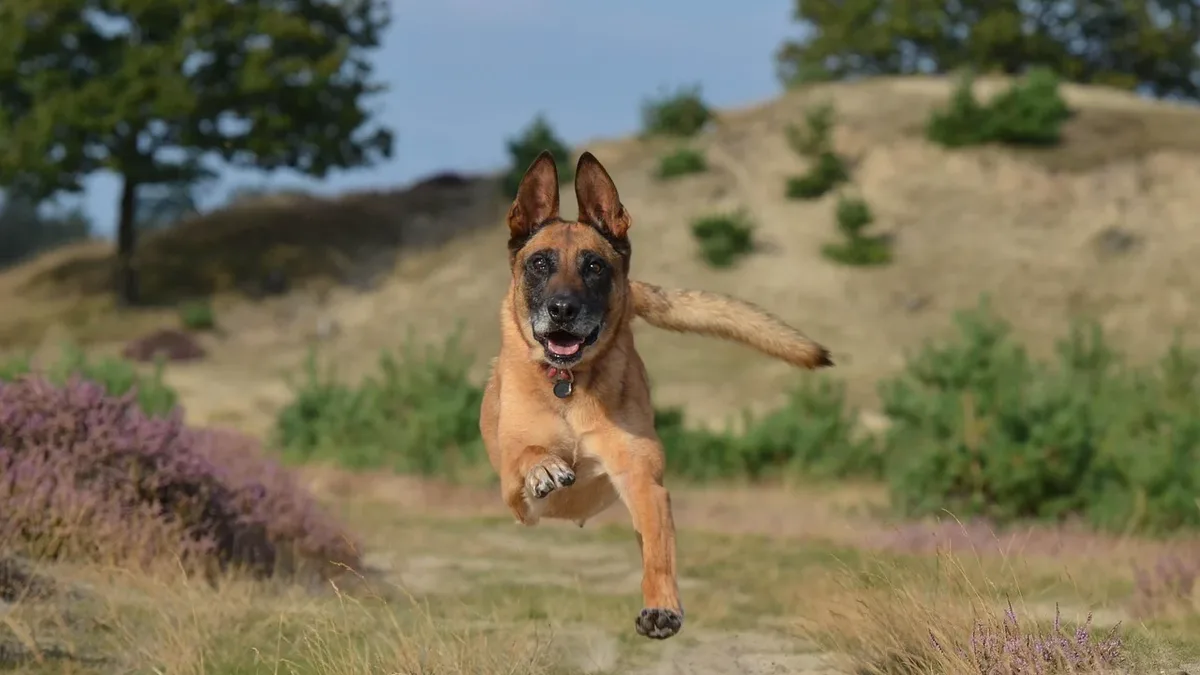
A dog owner named Beverly wrote to veterinarian Dr. Paola Cuevas about her elderly Red Heeler, Bob. For the last couple of months, Bob has been drinking large amounts of water and urinating far more than usual. Dr. Paola, who has over 19 years of veterinary experience, advised that this combination of symptoms in an older dog should not be dismissed as mere aging or hot weather. She stated these signs can indicate several conditions, including diabetes, kidney disease, and Cushing's disease.
The veterinarian strongly recommended scheduling a veterinary examination with basic lab work, specifically blood tests and a urinalysis. She cautioned against limiting the dog's water intake, explaining that excessive thirst is often the body's way of replacing lost fluids. Dr. Paola also advised having Bob's lumps properly checked by a vet instead of relying solely on turkey tail supplements. Getting a medical diagnosis, she noted, is the first step toward safely addressing his weight and mobility challenges.
Canine Brain Activity Study
Scientists studying 14 family dogs discovered a surprising pattern of brain activity when the animals waited for a treat. The research involved measuring electrical activity in the dogs' brains using noninvasive electroencephalography (EEG) sensors. Researchers recorded brain signals while each dog obeyed a familiar "wait" command with a reward placed within reach.
The analysis of 226 short EEG recordings revealed an increase in a specific type of brain rhythm called theta waves during the waiting period. Theta waves cycle approximately four to eight times per second. In humans, increased theta activity near the front of the brain is associated with attention and self-control. Researcher Ivaylo Borislavov Iotchev explained the findings suggest the dogs were not only automatically following a command. The brain activity was consistent with the involvement of processes related to self-control.
For dog owners, the study offers an intriguing perspective on a common training exercise. It implies that asking a dog to resist temptation may engage brain processes resembling those humans use. The researchers noted important limitations, however, as theta activity can also be linked to attention. The experiment involved 12 dogs receiving treats, one offered a toy, and another with access to both.