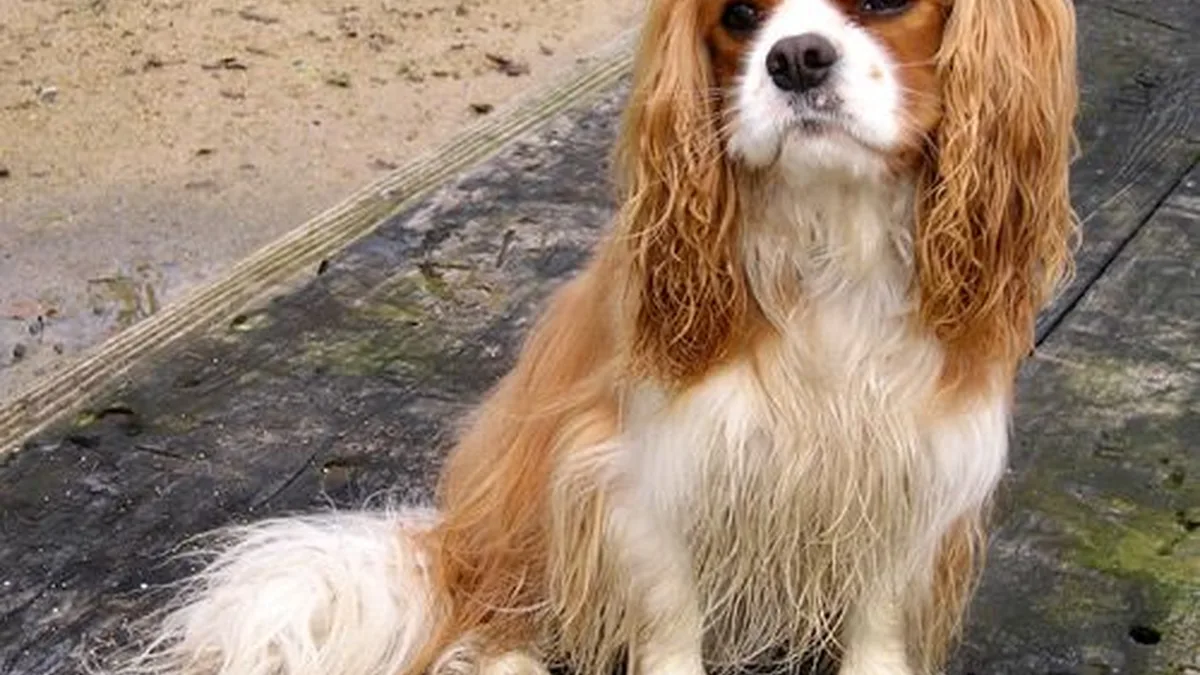
Cavalier King Charles
| Country of origin | England |
|---|---|
| First created | 17th century |
| Original use | Lap dog and companion |
| Size | Small |
| Coat | Long, silky, with feathering |
| Temperament | Affectionate, gentle, and eager to please |
| Good with children | Yes |
Origin and history
The Cavalier King Charles Spaniel originates from the United Kingdom. Its development is traced back to the small toy spaniels popular among European nobility in the 16th and 17th centuries. These dogs were frequently depicted in paintings of the era, particularly alongside members of the English royal court. The breed's modern name derives from King Charles II, who was famously devoted to these small spaniels. In the early twentieth century, a desire to return to the older, longer-nosed type depicted in those paintings led to a focused breeding program. The modern Cavalier King Charles Spaniel, as recognized today, was formally established in the 1920s.
What it was bred for
This breed was developed primarily as a companion and lapdog for aristocracy. Its fundamental purpose was to provide affectionate companionship and decorative presence within a domestic setting. Unlike many spaniel breeds, Cavaliers were not bred for demanding field work or hunting roles. Their small size and gentle temperament made them ideal for indoor life and as comforting pets. The breed's historical function emphasizes a need for constant human proximity and a quiet, settled lifestyle. This ingrained purpose directly shapes their modern character and requirements as a predominantly non-working breed.
Life cycle
A Cavalier King Charles Spaniel typically reaches adulthood between the ages of one and two years. The puppy stage involves rapid growth and requires significant socialization and basic training foundation. Adulthood spans the majority of the dog's life, during which a stable routine of exercise, grooming, and veterinary care is essential. Senior years often begin around age eight or nine, marked by a gradual reduction in activity levels and increased susceptibility to age-related health conditions. Throughout all life stages, their strong social dependency on their human family remains a constant. Proper care must adapt to their changing physical needs while continuing to meet their unwavering need for companionship.
Character and appearance
The Cavalier King Charles Spaniel is a small, balanced dog with a distinctive gentle and expressive face. Its most notable features are its large, dark, round eyes and long, feathered ears. The breed carries a graceful, slightly elongated frame beneath a silky coat that comes in four recognized color patterns: Blenheim, Tricolor, Black & Tan, and Ruby. Their temperament is consistently affectionate, friendly, and eager to please, with no trace of aggression or timidity. Cavaliers are known for their "sweet" expression, which accurately reflects their amiable and trusting nature. They move with a free, elegant gait that conveys both substance and refinement.
Cavalier King Charles puppies
Cavalier King Charles Spaniel puppies are typically energetic, playful, and highly social from a very young age. Early and extensive socialization is crucial to ensure they develop into well-adjusted adults comfortable with various people, animals, and environments. Their training should begin early using positive reinforcement methods, as they are sensitive and respond poorly to harsh corrections. Puppies require a consistent schedule for housebreaking, feeding, and gentle introduction to grooming routines. Potential owners should be prepared for the typical puppy behaviors of chewing and exploration within a safe space. Sourcing a puppy from a reputable breeder who conducts health screenings on the parent dogs is of paramount importance for this breed.
Cavalier King Charles lifespan
The typical lifespan of a Cavalier King Charles Spaniel ranges from nine to fourteen years. This average is significantly impacted by the breed's predisposition to several serious hereditary health conditions. Mitral valve disease, a progressive heart condition, is exceedingly common and is a leading cause of death. Syringomyelia, a neurological disorder associated with a skull too small for the brain, also affects a substantial proportion of the breed. Responsible breeding practices aimed at reducing the incidence of these diseases are critical for improving longevity. Consistent, high-quality veterinary care, including regular cardiac and neurological assessments, is essential for managing health and potentially extending a dog's life.
Mini/teacup Cavalier King Charles
There is no officially recognized miniature or teacup variety of the Cavalier King Charles Spaniel. Dogs marketed as such are typically undersized individuals from a litter or the result of deliberate breeding for unnaturally small size. This practice is strongly discouraged by breed experts and ethical veterinarians as it exacerbates the breed's existing health problems. Extremely small size can lead to fragile bones, dental overcrowding, hypoglycemia, and an increased severity of conditions like syringomyelia. Purchasing a dog labeled this way often supports irresponsible breeding operations that prioritize novelty over health. A healthy Cavalier should conform to the breed standard weight range of 13 to 18 pounds.
Cavalier King Charles mix
Cavalier King Charles Spaniels are sometimes crossed with other breeds, resulting in mixed-breed dogs like the Cavachon (Cavalier + Bichon Frise) or Cavapoo (Cavalier + Poodle). The stated goal of such mixes is often to blend the Cavalier's temperament with potentially lower-shedding coats or different structural traits. It is a misconception that mixed-breed dogs are inherently healthier; they can inherit health issues from either parent breed. The temperament and physical characteristics of any mixed-breed puppy can be unpredictable, even within the same litter. Prospective owners should evaluate the individual dog and the health testing performed on both parent dogs, not just the hybrid name.
Pros and cons
A significant pro is the breed's exceptionally affectionate and gentle nature, making it an ideal companion for many households. Their moderate size and adaptability to various living situations, including apartments, is another advantage. The primary cons are the severe, widespread hereditary health issues, notably mitral valve disease and syringomyelia, which can lead to high veterinary costs and emotional distress. Their strong need for companionship borders on dependency, leading to separation anxiety if left alone for long periods. People often regret choosing this breed if they are unprepared for the near-certainty of major health problems or cannot provide near-constant company. The common mistake is selecting the breed for its looks and sweet demeanor while underestimating the profound responsibility of its healthcare needs and social requirements.
Who it suits
This breed suits individuals or families who are home most of the day and can provide nearly constant companionship. It is well-matched with owners who prefer gentle, indoor-oriented activities and a dog that thrives on quiet affection rather than vigorous adventure. Retirees or people with flexible work schedules often find them a good fit, provided they can manage potential health care needs. The breed is generally excellent with considerate children and other pets due to its non-aggressive disposition. It is not suitable for highly active people seeking a jogging partner or for those who travel frequently or work long hours outside the home. An ideal owner is both emotionally and financially prepared for the breed's specific and serious health challenges.
Latest Cavalier King Charles news
Latest reporting

Evergreen High School crowns therapy dogs homecoming king and queen
Polenta and Norene were named Evergreen High School's first canine homecoming king and queen, a gesture honoring their daily emotional support for...
Milo, the 'Butterfly King', Inspires People to Slow Down and Appreciate Nature
A Nova Scotia Duck Tolling Retriever named Milo has become an unlikely ambassador for butterflies, inspiring people around the world to slow down and...