Bulldog
| Country of origin | England |
|---|---|
| First created | 13th century |
| Original use | Bull-baiting |
| Size | Medium |
| Lifespan | 8 to 10 years |
| Temperament | Docile, willful, friendly |
| Exercise needs | Low to moderate |
Origin and history
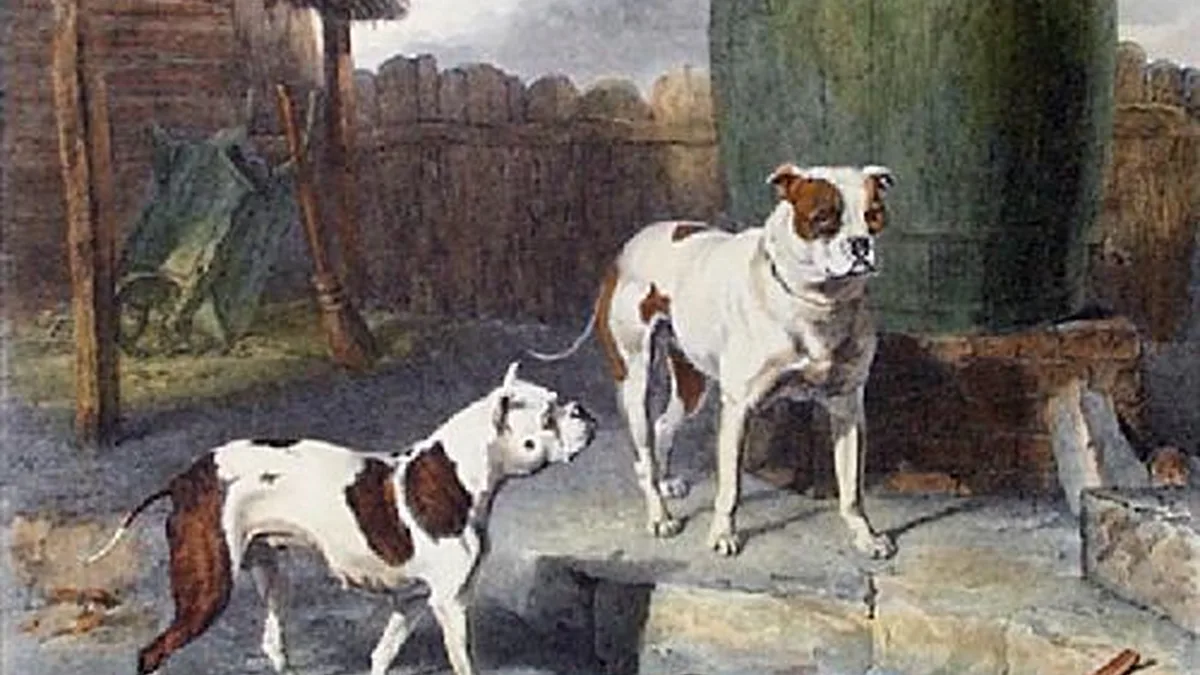
The Bulldog originates from the British Isles, with its development primarily occurring in England. Its history can be traced back several centuries, with recognizable ancestors appearing in documentation from the 1500s. The breed was historically associated with the sport of bull-baiting, which influenced its early physical and temperamental traits. Following the outlawing of bull-baiting in the 19th century, dedicated breeders worked to soften the breed's character. This selective breeding throughout the 1800s transformed the Bulldog from a working athlete into a companion animal. The modern Bulldog's distinct appearance was firmly established during this Victorian era of development.
What it was bred for
The Bulldog was originally bred for the now-outlawed practice of bull-baiting. Its physical form was designed for this purpose, with a low-slung, powerful body to stay close to the ground and avoid the bull's horns. The pronounced underbite and strong jaw were intended to grip the bull firmly and hold on tenaciously. Its loose, wrinkled skin and short nose allowed it to breathe while maintaining its grip without letting blood flow into its eyes. The breed's renowned courage and pain tolerance were essential traits for this dangerous work. After bull-baiting was banned, the breed was repurposed through selective breeding for companionship, emphasizing a calmer, gentler disposition.
Life cycle
Bulldog puppies require careful monitoring from birth due to the breed's large head size, which often necessitates cesarean section deliveries. The puppy stage involves rapid growth, and a structured diet is crucial to prevent excessive weight gain on their developing frames. Adolescence is a period where their characteristic stubbornness may become apparent, requiring consistent, patient training. Bulldogs reach physical maturity around the age of two, but their playful, often clownish attitude can persist into adulthood. Their adult years require vigilant health management, including regular cleaning of facial folds and monitoring for breathing issues. Senior Bulldogs often experience a gradual decline in mobility and require adjusted exercise and potentially modified living spaces to accommodate joint stiffness.
Character and appearance
The Bulldog possesses a distinctive, muscular, and compact build with a wide chest and shoulders. Its face is characterized by a short muzzle, deep stop, pronounced underbite, and dark, round eyes set low in the skull. The coat is short, smooth, and fine, coming in various colors and patterns like brindle, white, fawn, or piebald. In character, the breed is known for its docile, willful, and friendly nature, forming strong bonds with families. Despite a sometimes fierce expression, Bulldogs are generally gentle and excellent with children. Their demeanor is typically calm and dignified indoors, though they can display surprising bursts of playful energy.
Bulldog puppies
Bulldog puppies are often delivered via cesarean section due to the breed's large head and the dam's narrow pelvis. They are prone to rapid weight gain, so their diet must be carefully measured and tailored for steady growth, not maximum size. Early socialization is imperative to ensure they develop into well-adjusted adults, comfortable with various people, sounds, and other animals. Housebreaking can be a prolonged process, requiring immense patience and consistency from the owner. Their facial wrinkles must be cleaned and dried daily from a young age to prevent painful skin infections. Puppy buyers should seek reputable breeders who conduct health screenings on the parent dogs for common hereditary conditions.
Bulldog lifespan
The typical lifespan of a Bulldog ranges from 8 to 10 years. This relatively shorter longevity is influenced by the breed's predisposition to several serious health concerns. Brachycephalic syndrome, which affects their breathing due to their short skull shape, is a major factor impacting their quality of life and longevity. Other common issues like hip dysplasia, cardiac conditions, and skin infections can also contribute to a shortened lifespan. Responsible breeding practices aimed at improving health, along with proactive veterinary care and weight management, can help some individuals live toward the upper end of the range. Owners must be prepared for potentially significant veterinary expenses throughout the dog's life.
Mini/teacup Bulldog
There is no officially recognized miniature or teacup variety of the Bulldog by major kennel clubs. Dogs marketed as such are typically the result of breeding runts or intentionally stunting growth, which can exacerbate existing health problems. These practices may lead to even more severe respiratory, skeletal, and neurological issues than those seen in standard-sized Bulldogs. The term "teacup" is a marketing label with no established breed standard, and such dogs often come from irresponsible sources. Prospective owners should be highly skeptical of breeders offering these variations, as they prioritize novelty over health. Acquiring a dog from these lines often supports unethical breeding practices and can result in heartbreaking medical complications.
Bulldog mix
Bulldog mixes, such as the Bullador (Bulldog-Labrador) or the Frenchton (French Bulldog-Boston Terrier), combine traits from both parent breeds. The goal of such crossbreeding is often to introduce hybrid vigor, potentially mitigating some of the Bulldog's severe health issues, particularly breathing problems. However, there is no guarantee a mixed-breed puppy will inherit the healthier traits of the non-Bulldog parent; it may equally inherit the Bulldog's challenges. The appearance and temperament of these mixes can be highly unpredictable, even within the same litter. Responsible rescues and shelters often have Bulldog mixes available for adoption. It is crucial to evaluate each mixed-breed dog as an individual, as their needs will vary based on the specific genetic combination.
Pros and cons
Pros include a generally low-energy, affectionate companion suitable for apartment living due to modest exercise needs. Their loyal and gentle nature makes them excellent family dogs that are typically patient with children. The breed requires minimal grooming beyond routine wrinkle care and sheds moderately. Cons are significant, centered on pervasive health problems; many owners regret the breed due to chronic veterinary issues and associated costs. Common mistakes include underestimating the severity of breathing difficulties, which can lead to heatstroke and exercise intolerance, and failing to maintain a strict diet, leading to obesity that exacerbates other conditions. The breed's stubbornness can frustrate novice owners expecting an easily trainable dog.
Who it suits
The Bulldog suits a home where someone is present for much of the day, as they thrive on companionship and can suffer from separation anxiety. It is a suitable breed for less active individuals or families who prefer leisurely walks over vigorous outdoor activities. An ideal owner is patient, consistent with training, and financially prepared for potentially high veterinary bills throughout the dog's life. They are well-suited to families with children due to their tolerant nature, but interactions should always be supervised. This breed is not suitable for people seeking an athletic hiking partner or for those living in very hot or humid climates without stringent climate control. It requires an owner committed to proactive health management, not just reactive veterinary care.