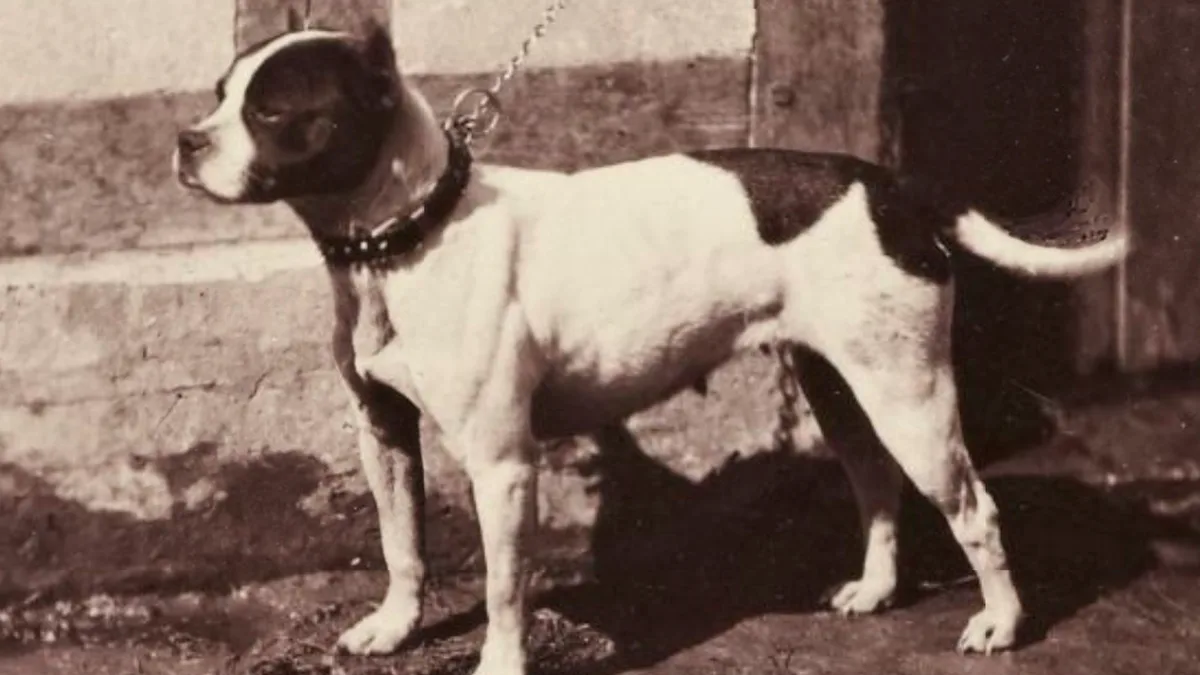
Bull Terrier
| Country of origin | United Kingdom |
|---|---|
| First created | Mid-19th century |
| Original use | Vermin control, dog fighting, later companionship |
| Size | Medium |
| Coat | Short, flat, harsh |
| Temperament | Playful, clownish, stubborn, loyal |
| Exercise needs | High |
Origin and history
The Bull Terrier originated in England during the 19th century. It was developed through crosses between the now-extinct Old English Terrier and the Bulldog. Later infusions of other breeds, including the Spanish Pointer and possibly the Dalmatian, were used to refine its form and gait. The breed's distinctive egg-shaped head was a hallmark developed by breeders in the latter half of the 1800s. The white variety was the first to be standardized and recognized, with the colored varieties following later. The breed was established as a distinct and recognizable type by the 1860s.
What it was bred for
The Bull Terrier was initially bred for dog fighting and vermin control, combining the tenacity of the terrier with the strength of the bulldog. Its creation was part of a Victorian-era interest in developing a canine gladiator that was both powerful and agile. After dog fighting was outlawed, the breed's purpose shifted toward that of a companion and show dog. Breeders selectively emphasized its unique physical characteristics and tempered its aggression. The modern Bull Terrier is a product of this transition from a working fighter to a loyal, albeit strong-willed, household pet. Its original breeding for combat still influences its high pain tolerance and assertive personality.
Life cycle
A Bull Terrier puppy requires extensive socialization and foundational training from a very young age to manage its strong instincts. The adolescent period, which can be prolonged, is often challenging due to the dog's stubbornness and boundless energy. Adulthood is typically reached around three years of age, when the dog's temperament generally settles into a more stable, though always energetic, pattern. Senior Bull Terriers, often entering their later years around age seven or eight, may begin to show a decrease in activity but retain their playful spirit. Throughout its life, the breed requires consistent mental and physical engagement to prevent destructive behaviors. Health monitoring is crucial at all stages, particularly for breed-specific concerns like kidney and heart issues.
Character and appearance
The Bull Terrier's most striking feature is its unique, egg-shaped head with small, triangular, deep-set eyes. It possesses a muscular, well-balanced body covered by a short, flat, and harsh coat that can be white or colored. Characteristically, the breed is often described as clownish, playful, and fiercely loyal to its family. It exhibits a courageous and tenacious personality, a direct legacy of its fighting ancestry. This breed can be stubborn and is not inherently obedient, requiring an owner who understands strong-willed dogs. Its high energy level and powerful build demand an owner capable of providing firm, consistent handling.
Bull Terrier puppies
Bull Terrier puppies are energetic, mischievous, and require a tremendous amount of early socialization. They must be introduced to a wide variety of people, animals, and environments to curb potential dog aggression and territoriality. Bite inhibition training is critical due to their powerful jaws and playful, rough nature. Their training must be consistent, positive, and engaging, as they quickly become bored with repetitive tasks. Prospective owners should seek reputable breeders who conduct health screenings on the parent dogs. Puppyhood is the most formative period for establishing the rules and routines that will manage the adult dog's strong personality.
Bull Terrier lifespan
The typical lifespan of a Bull Terrier ranges from 10 to 14 years, with proper care and genetics being significant factors. Common health issues that can impact longevity include hereditary nephritis (kidney disease), heart defects such as mitral valve dysplasia, and skin allergies. Deafness is a concern, particularly in predominantly white individuals, and should be tested for in puppyhood. Maintaining a healthy weight is crucial, as obesity can exacerbate joint problems and other conditions. Regular veterinary check-ups, including breed-specific screenings, are essential for early detection and management of potential problems. A high-quality diet and appropriate, regular exercise contribute significantly to achieving a full lifespan.
Mini/teacup Bull Terrier
There is no officially recognized miniature or teacup variety of the Bull Terrier by major kennel clubs. Smaller dogs marketed as such are often the result of breeding runts or may be mixed with other small breeds. This non-standard breeding can concentrate health issues and exaggerate the breed's already strong-willed temperament in an unstable package. Prospective owners should be highly skeptical of breeders offering "teacup" Bull Terriers, as this is typically a marketing term. These dogs do not conform to the breed standard and their health and temperament are unpredictable. Acquiring a well-bred, standard Bull Terrier from health-tested parents is the only reliable way to predict the dog's adult size and general character.
Bull Terrier mix
Bull Terrier mixes, such as the Bull Terrier Pitbull mix or Bull Terrier Boxer mix, inherit a combination of traits from both parent breeds. The resulting temperament, size, and health profile can be highly variable and difficult to predict. These mixes often retain the high energy, strength, and potential stubbornness of the Bull Terrier parent. Responsible adoption from a shelter is a common route for acquiring a mix, where its adult behavior may be more readily assessed. It is crucial to understand that a mix may require even more careful management and training than a purebred, given the unknown combination of instincts. Prospective owners must be prepared for a powerful dog with potentially intense exercise and training needs.
Pros and cons
Pros include the breed's unique and striking appearance, its deeply loyal and affectionate nature with its family, and its playful, clownish personality that provides constant entertainment. Cons are substantial: the breed is notoriously stubborn and difficult to train for novice owners, often leading to frustration and a lack of control. Common regrets involve underestimating the dog's power and prey drive, resulting in difficulties with other pets and on-leash control. A frequent mistake is failing to provide the immense amount of daily physical and mental stimulation required, which leads to destructive chewing, digging, and hyperactivity. The breed's potential for same-sex dog aggression is a serious and often overlooked challenge that requires lifelong management. Health issues, particularly kidney and heart problems, can lead to significant emotional and financial strain.
Who it suits
The Bull Terrier suits an experienced dog owner who understands and can manage strong-willed, powerful breeds with a firm and consistent hand. It is ideal for an active individual or family that can provide multiple hours of vigorous daily exercise and engaging training sessions. This breed is best for a household without other pets, particularly dogs of the same sex, or where careful, lifelong management of introductions is guaranteed. It is not suitable for homes with very young children unless the dog is raised with them and supervised constantly due to its boisterous nature. The ideal owner has a sense of humor, immense patience, and the physical strength to handle a determined, muscular dog. It is a poor choice for someone seeking an easily trainable, placid, or low-maintenance companion.
Latest Bull Terrier news
Latest reporting

Jack Russell Terrier Luna Lost in Yellowstone for Over a Month
A 10-year-old Jack Russell Terrier named Luna has survived over a month alone in Yellowstone National Park after escaping her family's cabin.
Senior Pit Bull Adoption Ends Loneliness for Writer
A writer describes how adopting Gary, a ten-year-old Pit Bull, ended his loneliness and restored his creative focus.
Blondie the Pit Bull Mix Craves Human Hug
Blondie, a Pit Bull mix prolapse, was filmed being hugged by a worker on Aug 26. @savingsageanimalrescue video has 3K+ likes, showing dog’s need for...

Shelter Dog Moose Finds Play and Comfort
Shelter dog Moose, an American Staffordshire Terrier mix, transitions from a hospital stay to playing with another dog and resting in a cozy bed.