Do Dogs Feel Embarrassment or Just Act It?
Experts debate whether dogs truly experience the complex emotion of embarrassment or if their 'guilty look' is a learned response to human reactions.
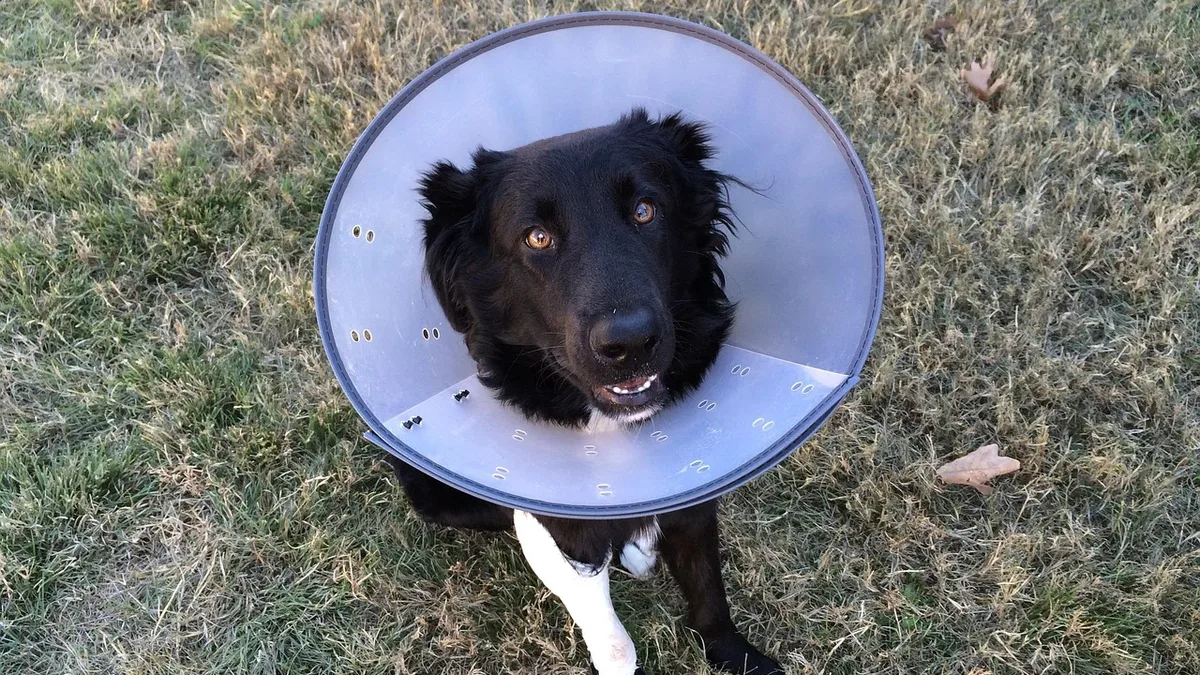
The classic canine 'guilty look', a lowered head, averted eyes, and a retreat, is familiar to many dog owners. Researchers are divided on whether this signals genuine embarrassment or is simply a learned behavior.
Embarrassment is considered a complex emotion requiring social and self-awareness. It involves recognizing a broken social rule and the resulting awkwardness, often with laughter directed at the individual. While dogs are widely agreed to feel basic emotions like happiness, fear, and anger, the capacity for such a nuanced social emotion is unclear. Some experts suggest cohabitation with humans might have given dogs enough social understanding for something resembling embarrassment. Others argue dogs lack the necessary self-awareness. Currently, there is no definitive scientific evidence to settle the debate.
The Deceptive 'Guilty Look'
A dog caught misbehaving often displays postures humans interpret as shame. The problem, as outlined in the source, is that this behavior has multiple potential explanations unrelated to embarrassment. Anthropomorphism, applying human emotions to animals, is a common pitfall.
A dog that cringes after tripping might be reacting to physical discomfort or fear of a repeat incident, not social judgment. Similarly, a dog appearing 'guilty' after stealing food may simply be displaying a learned response to being caught. Dogs are adept at learning which actions lead to positive or negative outcomes from their owners.
The Challenge of Studying Canine Emotions
Research into animal emotions is inherently difficult because scientists cannot know an animal's internal state. They must infer emotions from observable behavior, which is especially challenging for complex feelings like embarrassment. Human observers naturally interpret familiar canine expressions through a human lens. A behavior that looks like embarrassment to a person does not confirm the dog is experiencing the emotion identically.
This distinction is critical for emotions involving self-awareness. The more complex the emotion, the harder it is to determine if an animal is genuinely feeling it or merely exhibiting behavior that appears familiar.
Learning from Human Reactions
Dogs are quick learners of human social cues. One reason the 'guilty look' is so convincing is that it can be shaped by reinforcement from people. A dog can learn which of its behaviors produce laughter, sympathy, or other reactions.
If a cowering posture and soulful eyes elicit a sympathetic "ooh" or "aah" instead of a reprimand, the dog is likely to repeat that behavior. This has been described as a kind of performed or "fake" embarrassment. The behavior may look remarkably similar to the real emotion without the dog having an internal understanding of embarrassment itself. This does not make the reaction meaningless, but it suggests more is happening than the simple human attribution of shame.
The Unresolved Mystery
There is no conclusive answer to whether dogs get embarrassed. Dogs clearly experience basic emotions and learn from human responses. What remains unknown is if these abilities extend to the social and self-awareness required for genuine embarrassment. For now, the 'guilty look' remains an intriguing canine mystery. A dog that appears embarrassed may be feeling something akin to the human emotion, or it may simply be responding to discomfort, fear, or a well-practiced reaction to its owner's presence.
The featured image for the Dogster report was credited to Ksenia Raykova of Shutterstock.