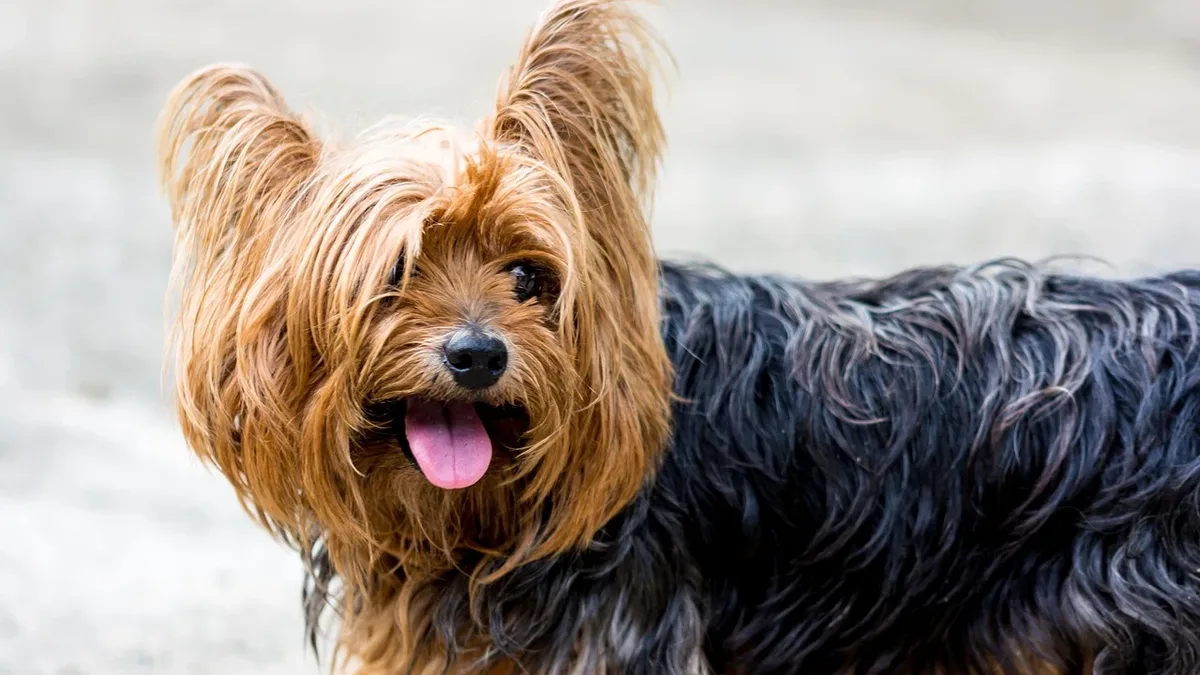
Shih Tzu
| Country of origin | China (Tibet) |
|---|---|
| First created | 17th century |
| Original use | Companion lap dog for Chinese royalty |
| Size | Small |
| Lifespan | 10 to 18 years |
| Coat | Long, flowing double coat |
| Temperament | Affectionate, playful, and outgoing |
Origin and history
The Shih Tzu originates from Tibet, where it was developed centuries ago. It was further refined in China during the Ming and Qing dynasties, roughly from the 14th to the 17th centuries. The breed was highly prized by Chinese royalty and was kept secluded within imperial palaces. It is widely believed to be a cross between the Lhasa Apso and the Pekingese. The modern Shih Tzu breed as known in the West was re-established from a very small number of dogs after the Chinese revolution. The American Kennel Club officially recognized the breed in 1969.
What it was bred for
The Shih Tzu was bred exclusively as a companion and lap dog for Chinese nobility. Its primary function was to provide affectionate companionship and to serve as a living ornament within royal courts. The breed was never developed for hunting, herding, or guarding purposes. Its distinctive appearance, particularly its facial hair, was deliberately cultivated to resemble a lion, a sacred Buddhist symbol. This lion-like image was a desirable trait for the imperial households. The dog's sole working purpose was to offer comfort and loyal friendship to its owners.
Life cycle
A Shih Tzu puppy requires significant socialization and basic obedience training from a young age. The breed reaches its full adult size, typically between 9 and 16 pounds, by approximately ten months of age. Shih Tzus are considered adults from about one year old but often retain a playful, puppy-like demeanor for years. They enter their senior years generally around the age of nine or ten, at which point health monitoring should become more vigilant. Throughout adulthood, they require consistent daily care, including grooming, feeding, and moderate exercise. Their entire life cycle is spent as a devoted indoor companion dog.
Character and appearance
The Shih Tzu is characterized by a friendly, outgoing, and affectionate temperament. They are typically confident and enjoy being around people, often getting along well with children and other pets. Their most notable physical feature is a long, flowing double coat that requires daily brushing to prevent mats. They have a distinct short muzzle and large, dark, round eyes that give them a sweet expression. The breed carries its tail curled over its back and has a sturdy, compact body despite its small size. Their personality is generally more independent and less yappy than some other toy breeds.
Shih Tzu puppies
Shih Tzu puppies are small, fragile, and require careful handling to prevent injury. Early socialization is critical to prevent them from becoming timid or overly suspicious of new experiences. Housebreaking can be a prolonged challenge with this breed, requiring exceptional patience and consistency from the owner. Puppies must be gently introduced to grooming routines immediately to accept lifelong coat care. They are playful and curious but can be stubborn, making positive reinforcement training methods the most effective. Prospective owners should seek reputable breeders who perform necessary health screenings on the parent dogs.
Shih Tzu lifespan
The typical lifespan of a Shih Tzu is between 10 and 16 years. Their longevity is influenced significantly by genetics, diet, exercise, and the quality of veterinary care they receive. Common health issues that can affect their lifespan include brachycephalic airway syndrome, due to their short muzzle, and various eye problems. Dental disease is a major concern and requires regular professional cleaning and home care. Patellar luxation and hip dysplasia are also seen in the breed. Maintaining a healthy weight is crucial for minimizing joint stress and supporting a long, healthy life.
Mini/teacup Shih Tzu
There is no officially recognized miniature or teacup variant of the Shih Tzu breed. Dogs marketed as such are typically runts of the litter or the result of breeding unusually small dogs together. This deliberate breeding for extreme small size significantly increases the risk of severe health problems. These can include fragile bones, heart defects, hydrocephalus, and hypoglycemia. Such dogs often have a shorter lifespan and require even more intensive veterinary care. Reputable breed clubs and ethical breeders strongly discourage the pursuit of these non-standard sizes.
Shih Tzu mix
Shih Tzu mixes, often called designer hybrids, combine the Shih Tzu with another purebred dog. Common mixes include the Shih-Poo (Shih Tzu and Poodle) and the Mal-Shi (Shih Tzu and Maltese). The goal of such crosses is typically to blend the companionable traits of the Shih Tzu with attributes from another breed, like a hypoallergenic coat. The appearance, temperament, and health of mixed-breed dogs are less predictable than those of purebreds. While hybrid vigor can sometimes occur, they may also inherit health issues from either parent breed. Prospective owners should research both contributing breeds thoroughly.
Pros and cons
Pros include an affectionate and cheerful companion suited for apartment living, with moderate exercise needs and generally good compatibility with families. The breed is typically less prone to excessive barking than other small dogs. Significant cons involve extremely high grooming demands, with daily brushing required to prevent painful matting. Their brachycephalic face leads to snoring, snorting, and serious susceptibility to heatstroke. Stubbornness can make training difficult, and housebreaking failures are a common reason for owner frustration. Many owners regret the choice due to underestimating the time and financial cost of professional grooming and potential veterinary bills for eye and respiratory issues.
Who it suits
The Shih Tzu best suits a home where someone is present much of the day, as they thrive on companionship and can develop separation anxiety. They are ideal for less active individuals, seniors, or families with gentle older children who can respect their small size. This breed suits an owner who enjoys and can commit to a daily grooming ritual or has the budget for regular professional grooming appointments. They are a poor choice for those seeking an athletic hiking partner or a low-maintenance dog. A patient, consistent owner willing to work on housebreaking and basic manners is essential. They are well-suited to indoor living in any climate, provided they are kept cool in hot weather.