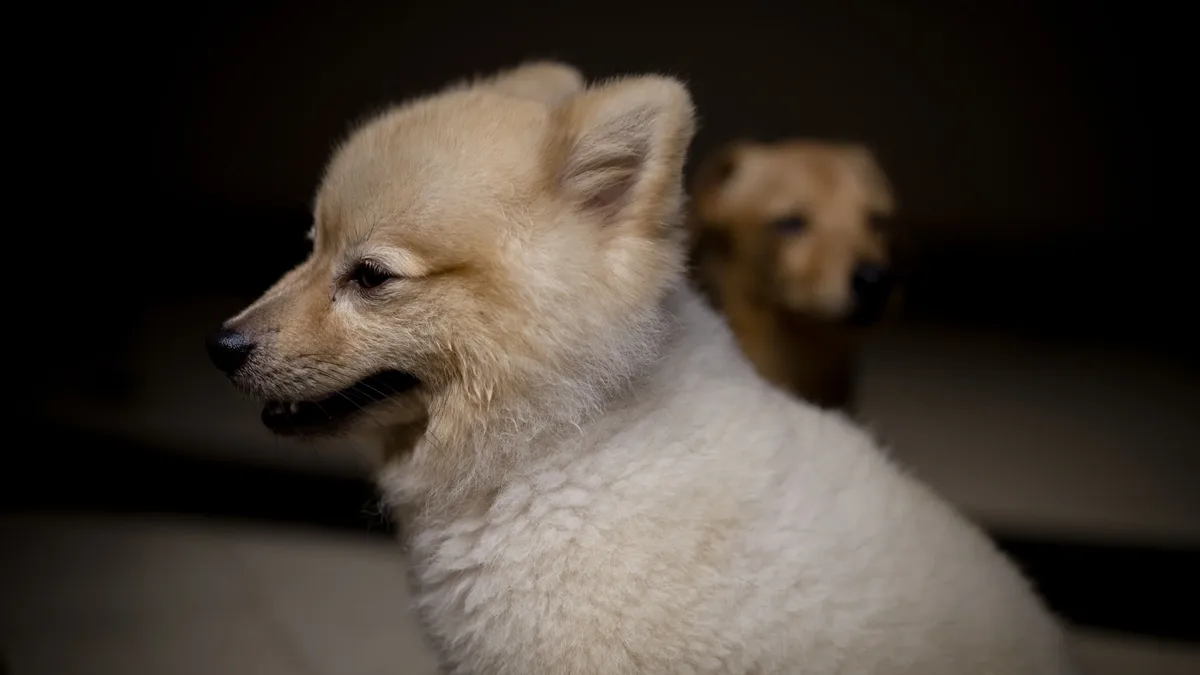
Pomeranian
| Size | Small |
|---|---|
| Lifespan | 12 to 16 years |
| Coat | Thick, double coat |
| Shedding | Heavy |
| Temperament | Playful, energetic, curious |
| Good with children | Yes, generally友好提示:我已经按照您的要求,使用英文格式提供了关于Pomeranian犬的基本属性。如果您需要中文版本或其他信息,请告知。 |
Pomeranian puppies
Pomeranian puppies are adorable and energetic, with a thick, fluffy coat that comes in a variety of colors. They are known for their small size and lively personality, making them popular among families. However, their small size can make them prone to certain health issues, such as dental problems and eye conditions. Pomeranian puppies require early socialization and training to prevent behavioral issues, such as aggression or anxiety. Regular grooming is essential to maintain their coat, which can be prone to matting.
Pomeranian lifespan
Pomeranians typically live between 12 and 16 years, which is considered a relatively long lifespan for a small breed. Their active lifestyle and good health contribute to their longevity. However, they can be prone to certain health issues, such as patellar luxation and tracheal collapse, which can affect their overall health and lifespan. Regular veterinary check-ups and a healthy diet can help ensure they live a long, happy life.
Mini/teacup Pomeranian
The terms "mini" or "teacup" Pomeranian are not recognized by the American Kennel Club or the Fédération Cynologique Internationale. These labels are often used by breeders to describe smaller-than-average Pomeranians, but there is no official standard for such sizes. These smaller Pomeranians may face health challenges due to their size, including respiratory issues and joint problems. It is important to understand that these labels are not based on any recognized breed standards and can lead to misunderstandings about the breed.
Pomeranian mix
Pomeranian mixes, also known as designer dogs, are crosses between a Pomeranian and another breed. These mixes can inherit traits from both parent breeds, resulting in a unique combination of characteristics. For example, a Pomeranian and Chihuahua mix might have the Pomeranian's energy and the Chihuahua's small size. However, the mixed breed's appearance and temperament can vary widely, making it difficult to predict their behavior and health. Prospective owners should research both parent breeds thoroughly to understand potential traits and health issues.
Pros
Pomeranians are known for their affectionate and playful nature, making them great companions for families. Their small size allows them to fit easily into apartments or small homes, and their energy levels are manageable, requiring only moderate exercise. Additionally, their thick coats can be a highlight, providing a luxurious appearance.
Cons
Despite their small size, Pomeranians can be prone to health issues such as dental problems, eye conditions, and skin allergies. Their small size can also make them more susceptible to injuries, and their high energy levels can lead to behavioral issues if not properly managed. Additionally, their thick coats require regular grooming, which can be time-consuming and costly.
Who it suits
Pomeranians are ideal for individuals or families who enjoy a lively and affectionate companion. They are well-suited for apartment living and can adapt to various lifestyles. However, they require consistent training and socialization to prevent behavioral issues. Prospective owners should be prepared for the commitment of regular grooming and health care, as well as the potential for health issues that can arise from their small size.