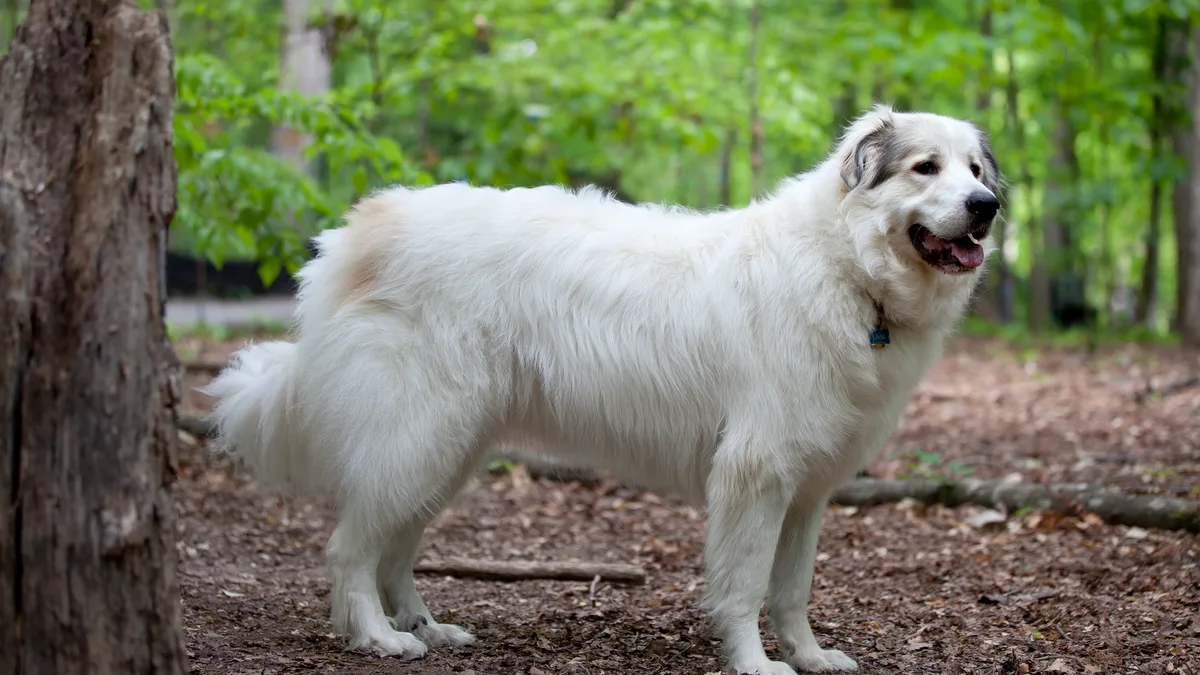
Great Pyrenees
| Country of origin | France |
|---|---|
| First created | 17th century |
| Original use | Livestock guardian dog |
| Size | Giant |
| Coat | Long, thick, double coat |
| Temperament | Calm, patient, strong-willed |
| Exercise needs | Moderate |
Origin and history
The Great Pyrenees is an ancient livestock guardian breed originating from the Pyrenees Mountains, which form a natural border between France and Spain. Its lineage is believed to trace back to large, white mountain dogs that existed in Asia Minor thousands of years ago. These dogs migrated to Europe with shepherds and their flocks, eventually settling in the mountainous regions. The breed was first documented in writings from the Pyrenees region as early as the medieval period, around the 14th century. It gained formal recognition and a dedicated following among French nobility in the 17th century, notably at the court of King Louis XIV. The breed was first officially recognized by the American Kennel Club in the early 20th century.
What it was bred for
The Great Pyrenees was specifically bred to be an independent livestock guardian, protecting flocks of sheep and other animals from predators like wolves and bears. Its primary function was not herding, but rather patrolling and standing sentinel over its charges. The breed's large, imposing size and thick white coat were functional, providing both a formidable visual deterrent to predators and insulation against harsh mountain climates. Their innate protective instinct, deep loyalty, and ability to make decisions autonomously were essential traits for this work. They were often left alone with flocks for extended periods, requiring a strong sense of judgment and territoriality. This historical role directly shapes the breed's modern temperament and behavior.
Life cycle
The Great Pyrenees progresses from a rapid growth phase as a puppy to a slow-maturing adulthood. Puppies experience a significant growth spurt and require controlled nutrition to prevent joint issues common in large breeds. They typically reach their full height by around 18 months but continue to fill out and mature mentally until they are approximately two to three years old. Adulthood is characterized by a calm, watchful demeanor, with the dog being most active during dawn and dusk, reflecting its crepuscular guardian instincts. Senior years may begin around seven or eight years of age, where mobility can become a concern due to their size. Throughout all life stages, consistent but moderate exercise and weight management are crucial for joint health.
Character and appearance
The Great Pyrenees is a massive, powerfully built dog with a distinctive thick, double-layered white coat that can have markings of badger, gray, or tan. Their character is defined by a calm, patient, and gentle nature with their family, coupled with a serious, protective instinct towards their home and territory. They are intelligent and independent thinkers, a trait honed from centuries of working alone, which can sometimes translate as stubbornness. While not overly demonstrative, they form deep bonds and are known for their quiet confidence. The breed is typically reserved and aloof with strangers, which is a key aspect of its guardian temperament.
Great Pyrenees puppies
Great Pyrenees puppies are fluffy, energetic, and require early, consistent socialization to grow into well-adjusted adults. They are prone to chewing and digging, behaviors that must be gently redirected from a young age. Due to their rapid growth, their diet must be carefully managed to support proper bone development without promoting excessive weight gain. Training should begin early, focusing on basic obedience, but patience is required as they mature more slowly mentally than physically. Exposure to various people, animals, sounds, and environments is critical to prevent over-protectiveness or fearfulness. Puppyhood is a crucial period for establishing boundaries and routines with this strong-willed breed.
Great Pyrenees lifespan
The typical lifespan of a Great Pyrenees ranges from 10 to 12 years. As a giant breed, they are predisposed to certain health conditions that can impact their longevity, including hip and elbow dysplasia, which affect joint health. Bloat, or gastric dilatation-volvulus, is a serious, life-threatening emergency to which deep-chested breeds like the Pyrenees are susceptible. Other common health concerns include patellar luxation and certain bone cancers. Proactive veterinary care, maintaining a healthy weight, and providing appropriate exercise can help mitigate some risks and support a longer, healthier life. Responsible breeding practices aimed at reducing the incidence of hereditary diseases are also a key factor in lifespan.
Great Pyrenees mix
A Great Pyrenees mix is a cross between a purebred Great Pyrenees and another dog breed. The resulting mix can inherit any combination of physical and temperamental traits from its parent breeds, making predictability difficult. Common mixes include the Pyrenees Shepherd (with various herding dogs) or crosses with other large breeds like the Golden Retriever or Labrador. Potential owners should research both parent breeds thoroughly to understand the full range of possible outcomes in size, energy, grooming needs, and behavior. While mixes can be wonderful pets, they do not negate the potential for inheriting the Pyrenees' strong guardian instinct, independence, and size. Adopting a mixed-breed dog from a rescue often requires the same commitment to training and management as a purebred.
Pros and cons
A significant pro of the Great Pyrenees is its loyal, gentle, and protective nature, making it a devoted family member. The breed is typically calm indoors and has moderate exercise needs relative to its size. A major con is its independent and stubborn streak, which can make training challenging for inexperienced owners; they are not a breed eager to please on command. The heavy shedding and substantial grooming requirements are a consistent burden many owners underestimate. Their deep, instinctual barking, especially at night, is a common source of neighbor complaints and regret. The most common mistake is acquiring one for its appearance without understanding the work required to manage its guardian instincts, size, and strong will in a modern household.
Who it suits
The Great Pyrenees best suits an experienced dog owner who understands and can manage a large, independent guardian breed. It is well-suited to homes with substantial space, preferably rural or suburban with a securely fenced yard, where its barking will not be an issue. The ideal owner is patient, consistent, and seeks a canine companion rather than an obedient servant, appreciating the breed's thoughtful autonomy. It can be a good fit for families with respectful children, given its gentle nature, but its size requires supervision. It is not suited to apartment living, highly active urban environments, or for owners who desire a highly trainable, eager-to-please, or low-maintenance dog. Commitment to extensive grooming and tolerance for pet hair are non-negotiable.
Latest Great Pyrenees news
Latest reporting
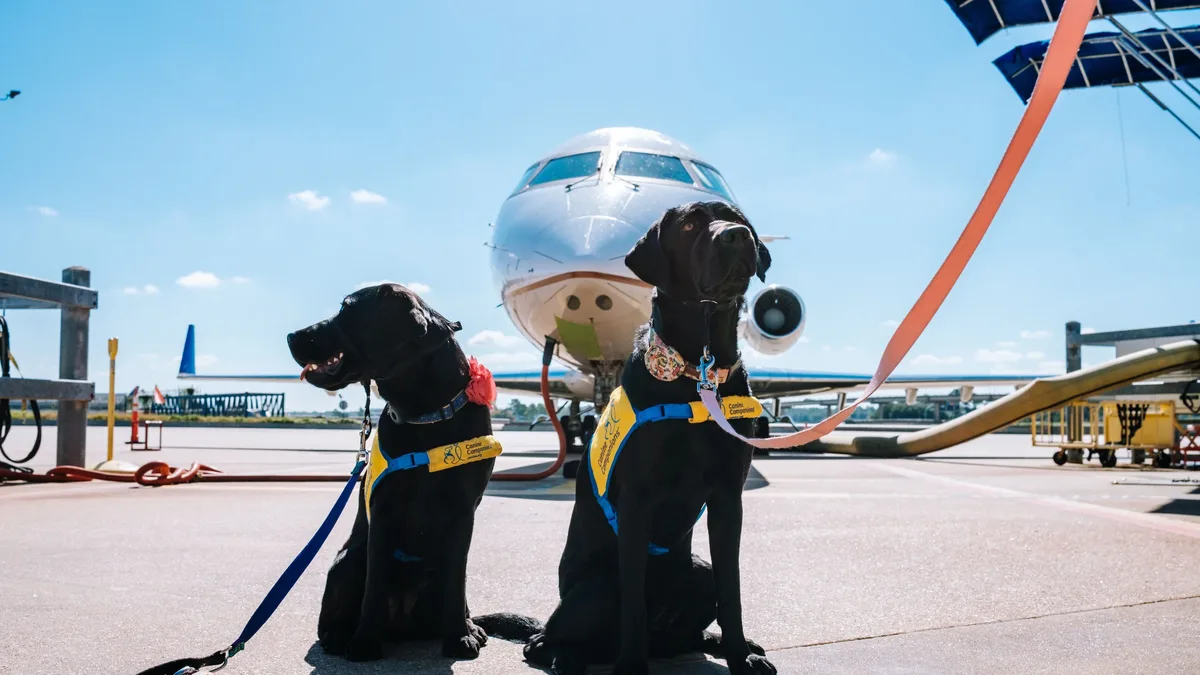
Service Dog Denied Boarding on Aeroméxico Return Flight
A diabetic man and his service Great Dane were stranded in Canada after Aeroméxico denied the dog boarding on a return flight to Chile, despite prior...
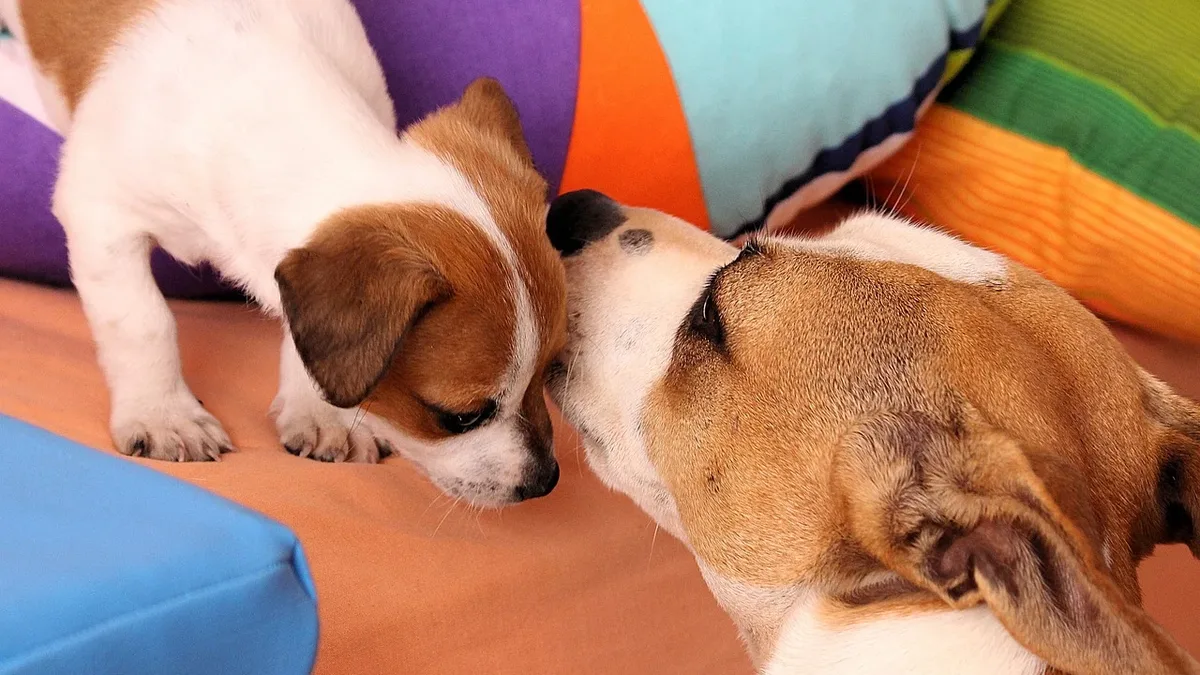
Two Great Pyrenees Find Friendship in Foster Home
Two Great Pyrenees named Biscuit and Koby, previously neglected foster dogs, form a close bond in a foster home, with Biscuit available for adoption...
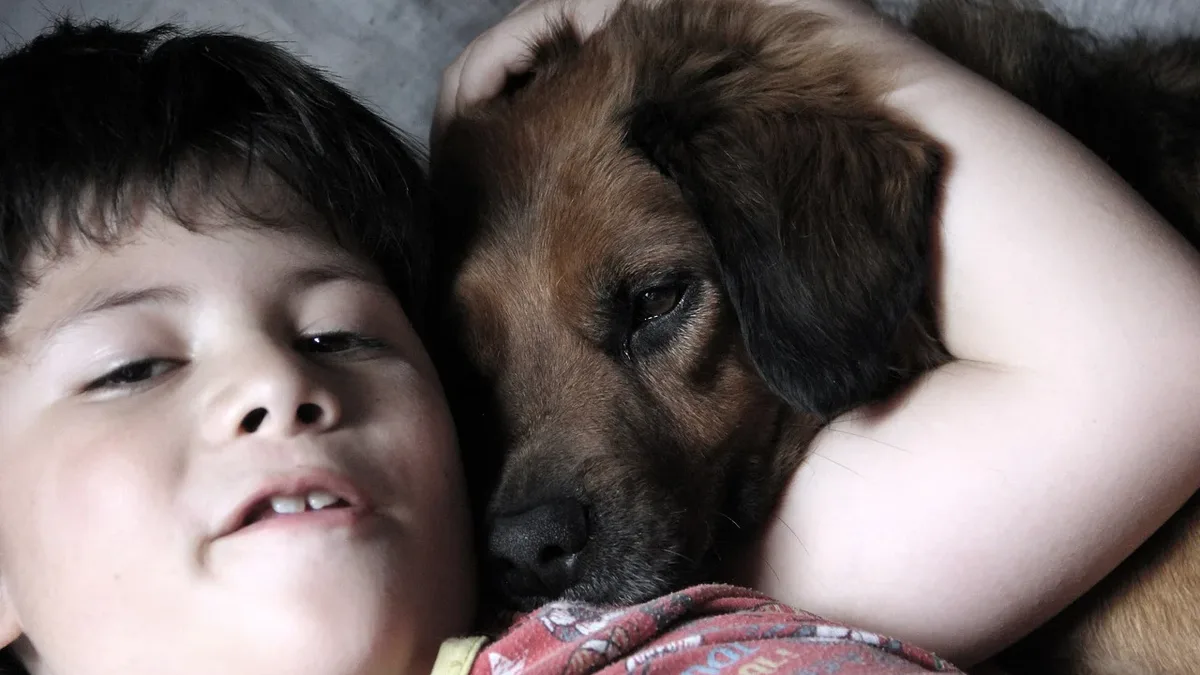
Great Dane Daphne Watches Toddler Bonding
A TikTok clip shows a Great Dane resting beside two toddlers in matching pajamas during story time, sparking heart-warming comments from viewers.
Is the Cocker Spaniel the Right Breed for You?
The Cocker Spaniel is a lovable, energetic breed that makes a great companion for active families. With proper training and socialization, they can...