Golden
| Size | Medium to large |
|---|---|
| Lifespan | 10 to 12 years |
| Coat | Dense, water-repellent double coat |
| Shedding | Heavy, seasonal shedding |
| Temperament | Friendly, intelligent, devoted |
| Good with children | Yes, typically excellent |
| Energy level | High |
| Trainability | Highly trainable and eager to please |
Golden puppies
Golden Retriever puppies are energetic, mouthy, and require consistent, gentle guidance from a very young age. Their puppyhood is characterized by rapid growth and a strong desire to chew, necessitating ample provision of appropriate toys to protect household items. Early socialization is non-negotiable, exposing them to diverse people, animals, and environments to prevent later timidity or over-exuberance. Foundational obedience training should begin immediately, focusing on bite inhibition and basic commands using positive reinforcement methods. Their soft temperament during this phase can be easily overwhelmed by harsh corrections, which are counterproductive. Puppy owners must commit to a structured routine that manages their high energy and curiosity in a constructive way.
Golden lifespan
The typical lifespan of a Golden Retriever is broadly within the range common for a breed of its size, though specific longevity can vary significantly. Their years are often impacted by a genetic predisposition to certain cancers, which is a leading health concern within the breed. Other common conditions that can affect their quality of life and longevity include hip and elbow dysplasia, as well as various heart conditions. Responsible breeding practices focusing on health screening can mitigate some risks but do not offer guarantees. Maintaining a lean body weight through measured feeding and regular exercise is one of the most effective ways an owner can support a longer, healthier life. Regular veterinary care for early detection of issues is a critical component of managing their health over their lifetime.
Mini/teacup Golden
There is no officially recognized miniature or teacup variant of the purebred Golden Retriever. Dogs marketed as such are typically crossbreeds, often mixed with smaller breeds like Cocker Spaniels or Poodles, and do not breed true. This means puppies from such mixes can vary wildly in size, coat type, and temperament, unlike predictable purebred litters. Prospective owners should be cautious, as this label is often a marketing tactic that can obscure the true genetic background and potential health issues of the dog. The drive to produce unnaturally small sizes can also inadvertently concentrate genetic disorders. Anyone seeking a smaller, retriever-like dog should research established small sporting breeds or prepared for the variability of a mixed-breed dog instead.
Golden mix
Golden Retriever mixes, such as the Goldendoodle (Golden Retriever and Poodle) or Golden Shepherd (Golden Retriever and German Shepherd), inherit a blend of traits from both parent breeds. The resulting temperament, size, coat, and grooming needs can be unpredictable, even within the same litter, as first-generation crosses do not breed true. While hybrid vigor is sometimes cited, these mixes are still prone to the health conditions common to their parent breeds. Their suitability for specific roles, like hypoallergenic service work, is not guaranteed and depends on the individual dog's inherited traits. Potential owners should evaluate the mix based on the known challenges and needs of both contributing breeds. Adopting an adult mix from a shelter can provide clarity on its actual size and personality, bypassing the guesswork of puppyhood.
Pros and cons
The breed's foremost pros are its reliably friendly and tolerant temperament, high intelligence and trainability for diverse roles, and general patience with children and other animals. Significant cons include a very high shedding coat that requires frequent grooming, a demanding need for daily exercise and mental engagement, and a pronounced susceptibility to specific serious health issues. Owners often regret choosing a Golden if they underestimated the sheer volume of hair in their home or the time commitment required for proper exercise and stimulation. The common mistake is acquiring this active sporting dog for a sedentary lifestyle, leading to destructive boredom and weight gain. Furthermore, their trusting nature is a con in terms of making poor guard dogs and their food motivation can lead to scavenging and obesity if not carefully managed. The emotional and financial toll of the breed's prevalent health problems is a profound downside that prospective owners must soberly consider.
Who it suits
This breed ideally suits active individuals, families, or couples who can provide more than an hour of vigorous daily exercise and have ample indoor space. It is an excellent match for those seeking a trainable partner for activities like obedience, agility, hiking, or therapeutic work. Owners must have the time and budget for regular grooming, professional if needed, and proactive veterinary care, including potential specialist treatments. The Golden suits households that value a social, demonstrative dog and are not concerned about having a protective guardian. It is less suitable for people with allergies to dog hair or dander, those who are fastidious about home cleanliness, or anyone unable to commit to its substantial long-term exercise and companionship needs. Ultimately, it best fits an owner whose lifestyle is already active and who views the dog as a central participant in their daily outdoor routines.
Latest Golden news
Latest reporting
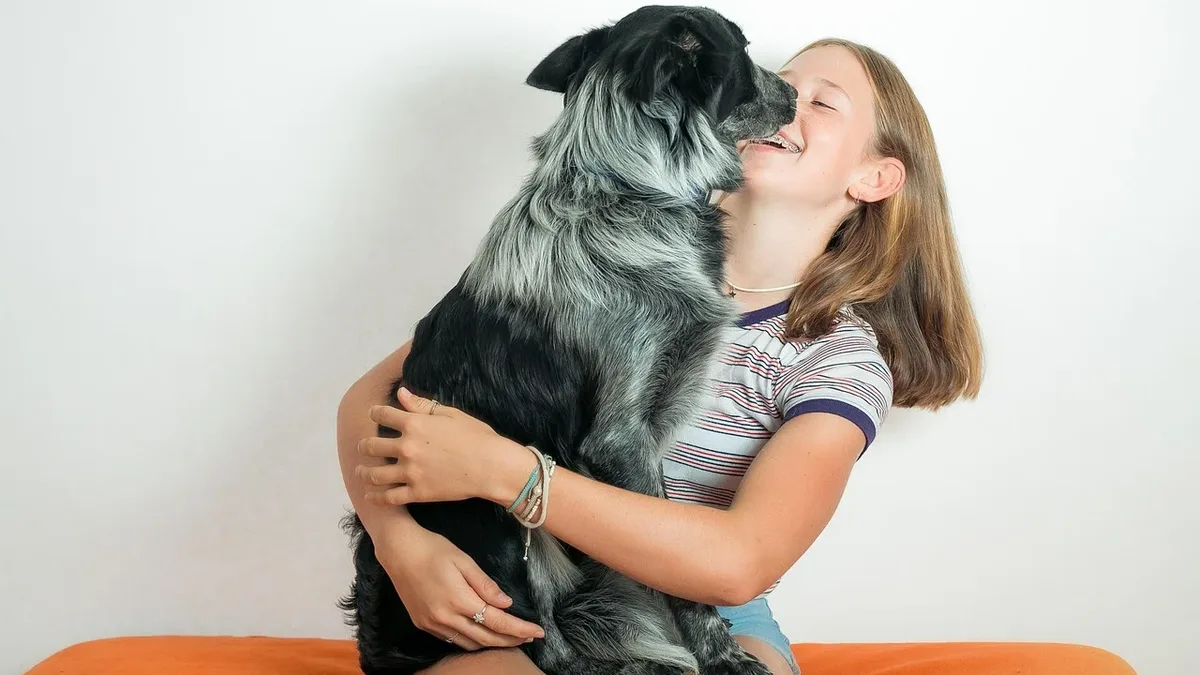
Girl bonds with first dog Harlow in video
A video montage shows a young girl and her first dog, a Golden Retriever named Harlow, sharing everyday moments and illustrating their growing bond.
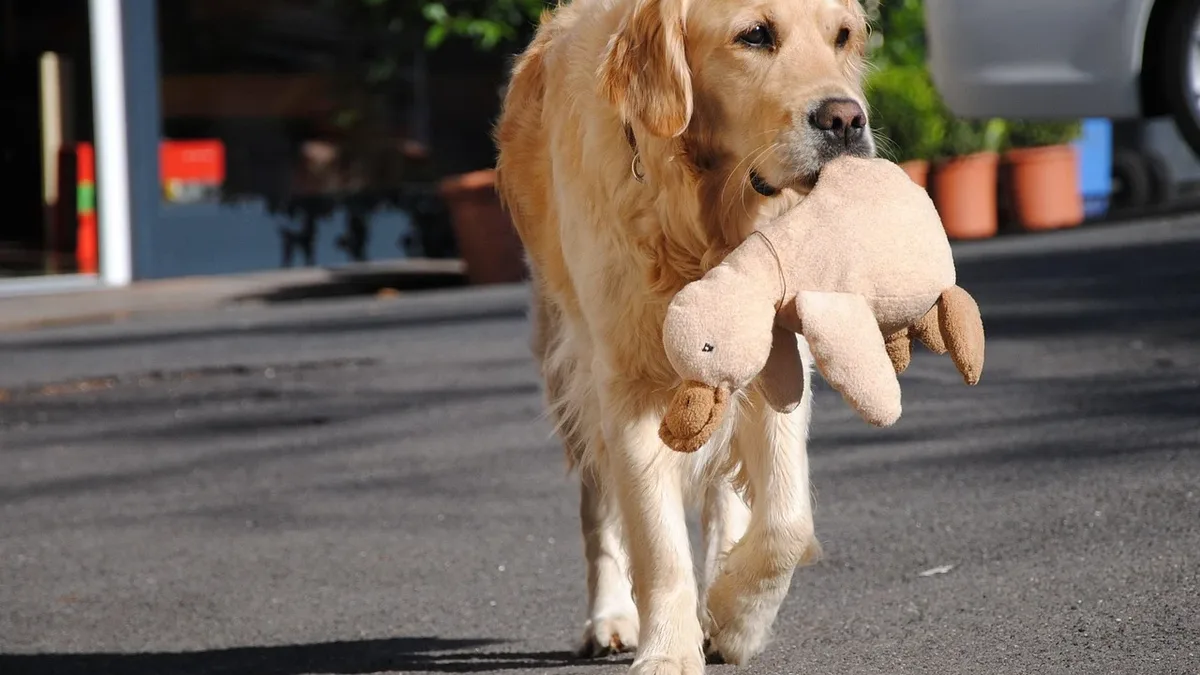
Maple the adopted dog brings chaos
A pet owner adopted a Golden Retriever named Maple expecting a calm companion, but her energetic and sassy antics have brought joyful chaos.
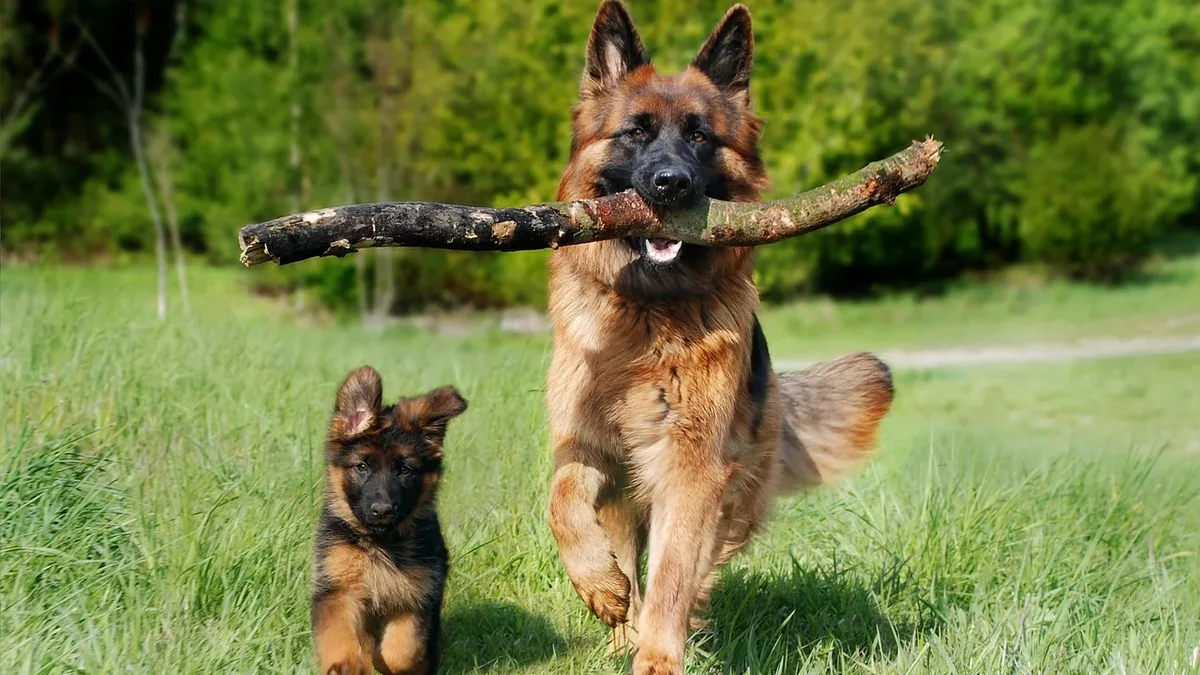
Golden Retriever Embarks on Rescue Mission, Then Does the Bare Minimum
A Golden Retriever named Henry demands a rescue mission from his owner to retrieve a ball in the woods, but does little to help.