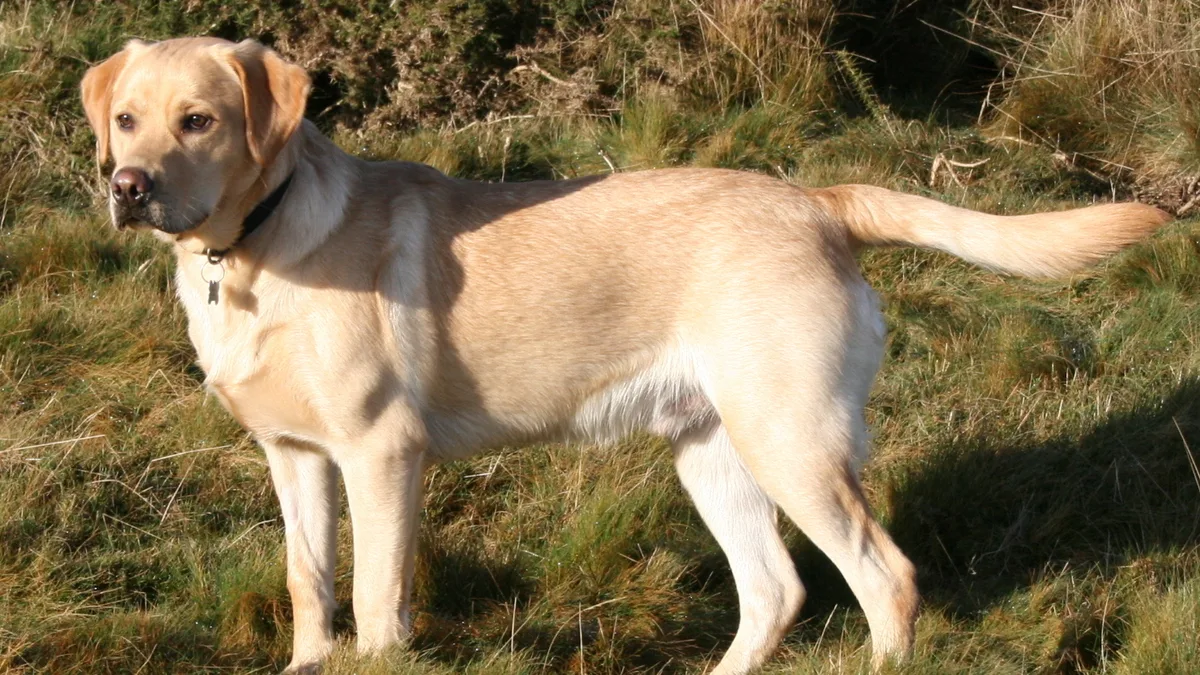
Golden Retriever
| Breed group | Sporting |
|---|---|
| Size | Medium to large |
| Lifespan | 10 to 12 years |
| Coat | Dense, water-repellent double coat |
| Shedding | High |
| Temperament | Friendly, intelligent, devoted |
| Original use | Retrieving fowl for hunters |
| Country of origin | United Kingdom |
Origin and history
The Golden Retriever originated in Scotland during the mid to late nineteenth century. The breed was developed primarily by Dudley Marjoribanks, later known as Lord Tweedmouth, at his estate near Guisachan. The foundational stock for the breed included a yellow Flat-Coated Retriever and a now-extinct Tweed Water Spaniel. Further outcrosses to other retrievers, setters, and even a Bloodhound were incorporated to refine the breed's abilities and temperament. Detailed breeding records kept by Lord Tweedmouth from the 1860s provide a clear documented lineage. The breed was first exhibited as 'Golden Flat-Coats' and was officially recognized by The Kennel Club in the United Kingdom in the early twentieth century.
What it was bred for
The Golden Retriever was specifically bred as a versatile gundog for retrieving shot waterfowl and game birds over both land and water. Its primary purpose was to work alongside hunters in the Scottish Highlands, which often involved challenging terrain and cold lochs. The breed's soft mouth was a critical trait, enabling it to carry game gently without damage, whether a duck or a pheasant. Its dense, water-repellent double coat provided protection from cold water and thick underbrush during hunts. A keen sense of smell, intelligence, and a strong desire to work with humans were all selectively enhanced for this role. The breed's steady and biddable nature in the field made it an exceptional hunting companion that could take direction and work patiently.
Life cycle
A typical Golden Retriever has a lifespan of approximately 10 to 12 years, though individual health can vary significantly. Puppies grow rapidly and reach their full height by about one year of age, but continue to fill out and mature mentally until two or three years old. They are considered adults from around two years onward, entering their prime working and family years. The senior stage generally begins at about eight or nine years, when activity levels may naturally decrease and age-related health monitoring becomes more important. Throughout all life stages, consistent, appropriate exercise and a managed diet are crucial to maintain joint health and prevent obesity. Responsible breeding practices focus on longevity and screening for hereditary conditions to support a healthy life cycle.
Character and appearance
The Golden Retriever is a symmetrical, powerful, and active dog breed with a distinctive dense, water-repellent coat in shades of gold. Its expression is friendly and intelligent, characterized by kind, dark eyes and a broad skull. The breed's character is reliably kindly, confident, and eager-to-please, making it notoriously poor as a guard dog due to its general friendliness toward strangers. It is a highly intelligent and trainable breed that thrives on human companionship and is typically good with children and other animals. The tail is carried level with the back and often exhibits a characteristic "otter tail" shape, which aids in swimming.
Pros and cons
A significant pro is the breed's predictable, stable, and friendly temperament, making it an excellent choice for families, first-time owners, and therapeutic work. Their intelligence and eagerness to please make them highly trainable for obedience, service roles, and various dog sports. A major con is their high shedding; the double coat sheds profusely year-round and requires regular, thorough grooming to manage. They are prone to several serious hereditary health issues, including hip and elbow dysplasia, certain heart conditions, and various cancers, which can lead to high veterinary costs and emotional strain. The common mistake is underestimating their need for substantial daily mental and physical exercise; without it, they frequently develop destructive behaviors born from boredom. Individuals who regret choosing the breed are often those who wanted a low-maintenance, clean, or independent dog, or who were unprepared for the eventual grief associated with their health vulnerabilities.
Who it suits
This breed suits active individuals or families who can provide at least an hour of dedicated exercise and engagement daily, beyond simple yard access. It is ideal for owners seeking a trainable partner for activities like obedience, agility, hiking, or fieldwork, as the dog thrives on having a job to do. Households with children and other pets often find the Golden Retriever a gentle and tolerant fit due to its sociable nature. It is well-suited for roles requiring reliability and a calm demeanor, such as service, therapy, or assistance work. The breed is a poor match for sedentary lifestyles, overly tidy homes due to shedding, or owners unwilling to commit to consistent training and lifelong healthcare management. It best suits those who value companionship and are prepared for the responsibility of a large, energetic dog with specific grooming and health monitoring needs.
Latest Golden Retriever news
Latest reporting

Lewis Hamilton Gifts Golden Retriever Puppy to Kim Kardashian's Kids
Formula 1 star Lewis Hamilton gifted a golden retriever puppy named Halo to Kim Kardashian's children, with the dog appearing in a family photo...

Labrador Retriever Becomes Surrogate Mother to Rejected Lion Cub
A Labrador Retriever named Sabi provided critical companionship to Zambi, a lion cub rejected at four weeks old, in an innovative rescue effort in...
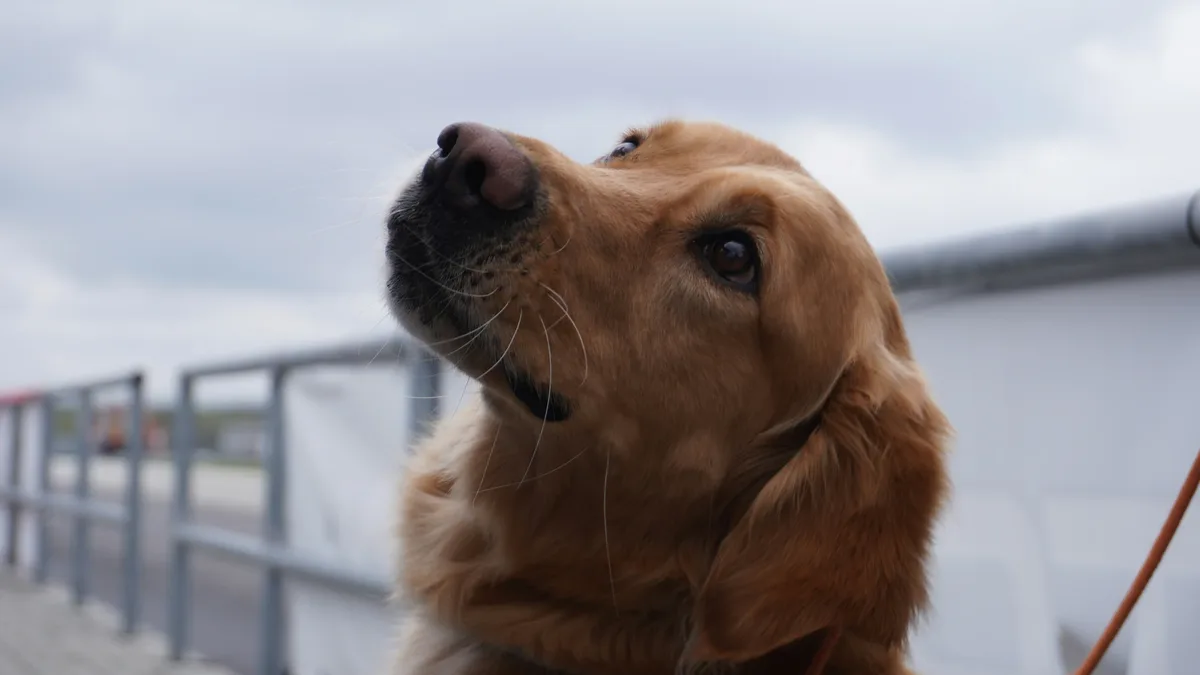
Golden Retriever's Crab Sniff Leads to High-Flying Scare
A Golden Retriever named Mel got a fright when a crab she was inspecting raised its claws, causing her to leap into the air.
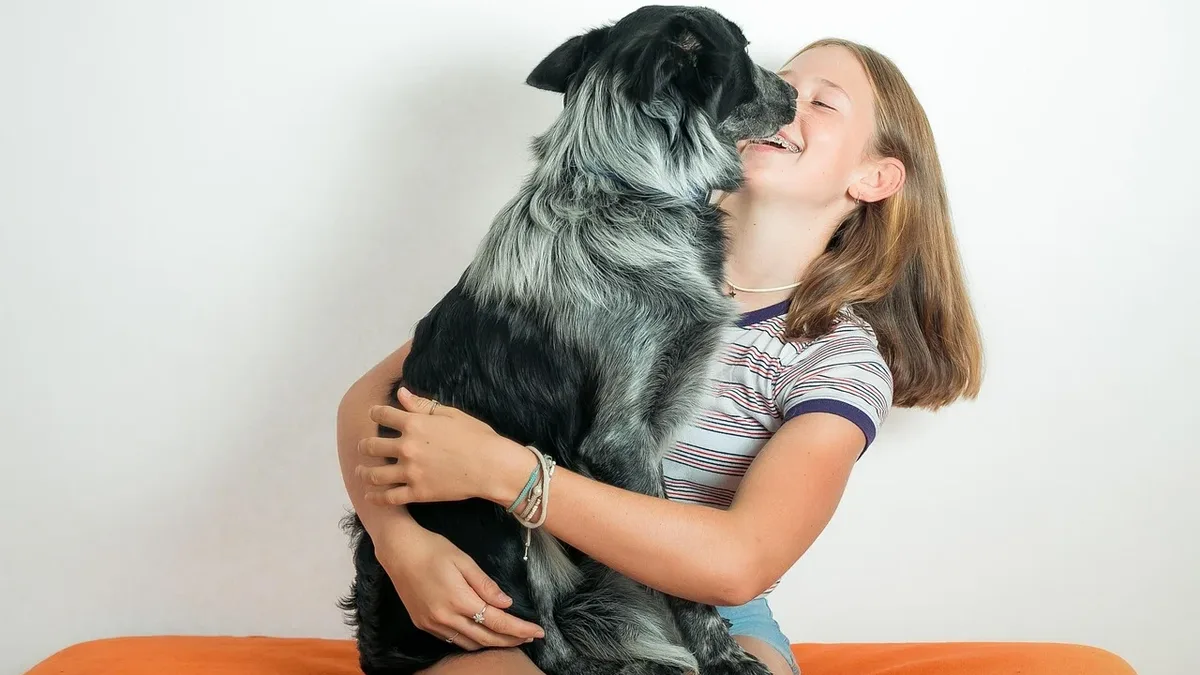
Girl bonds with first dog Harlow in video
A video montage shows a young girl and her first dog, a Golden Retriever named Harlow, sharing everyday moments and illustrating their growing bond.
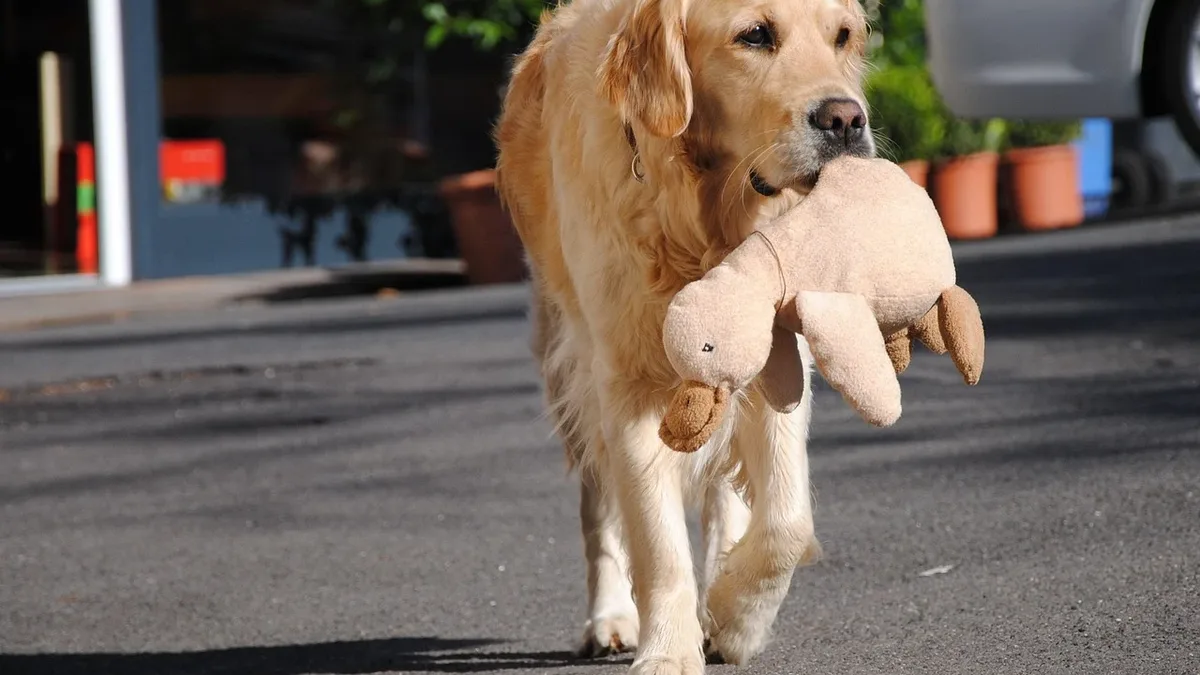
Maple the adopted dog brings chaos
A pet owner adopted a Golden Retriever named Maple expecting a calm companion, but her energetic and sassy antics have brought joyful chaos.
Golden Retriever Embarks on Rescue Mission, Then Does the Bare Minimum
A Golden Retriever named Henry demands a rescue mission from his owner to retrieve a ball in the woods, but does little to help.